What Are Cuticles? A Complete Guide to Cuticle Care

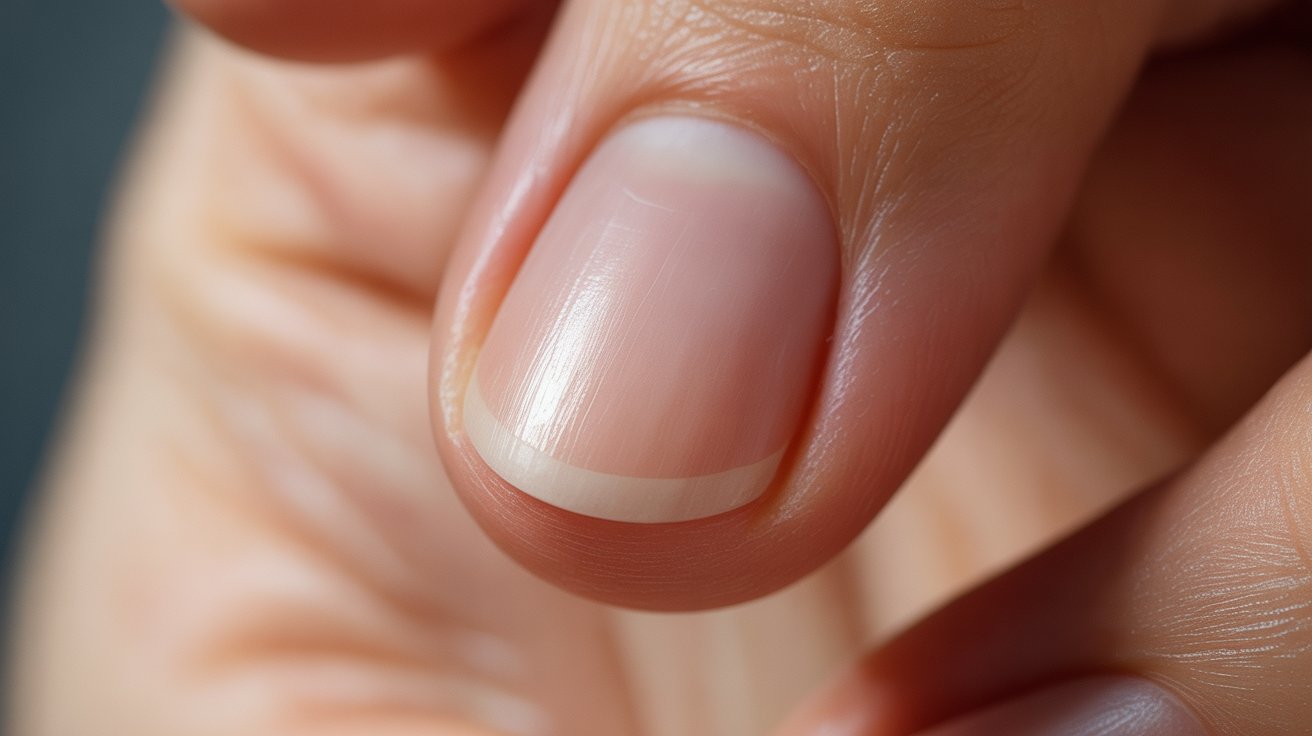
Ever looked at your nails and noticed that thin layer of skin at the base? I used to ignore mine too, until I learned how important they really are.
Your cuticles are your nails’ first line of defense. They block bacteria and infections from getting in. Yet most of us push, cut, or neglect them without thinking twice.
I’m here to show you what cuticles do, how to care for them, and simple tips to keep your nails healthy.
Let’s get started.
What Are Cuticles?
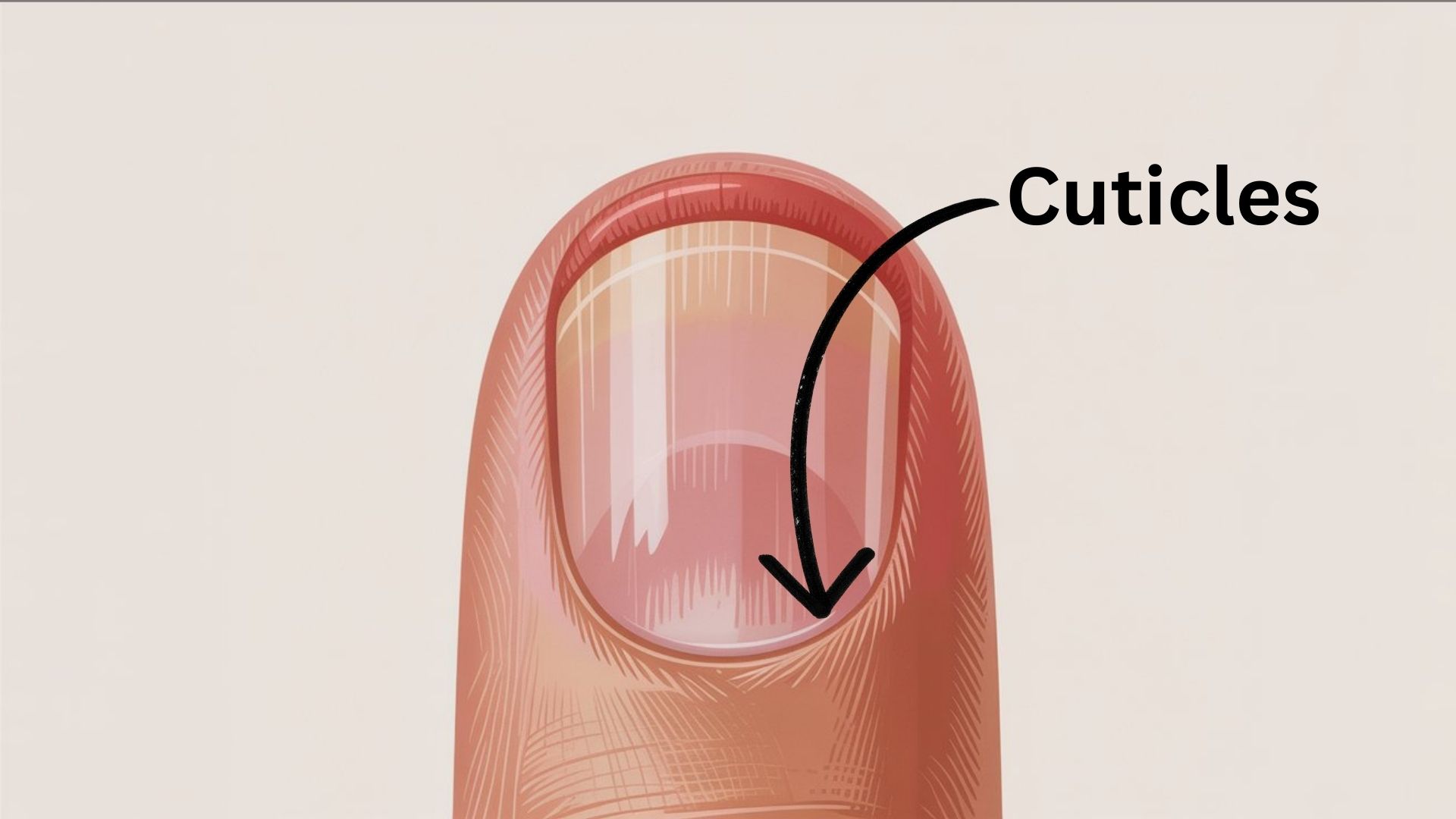
Your cuticles are that thin layer of dead skin sitting at the base of each nail.
They might seem like nothing special, but they play a big role in protecting your nail bed and the new nail growing underneath.
Here’s something many people don’t know: there’s a difference between your cuticle and the eponychium.
The cuticle is dead tissue that you can see on your nail plate. The eponychium is the living skin fold just behind it that forms a seal.
Both work together to keep bacteria, fungi, and infections away from your nails.
Without them, your nails would be vulnerable to all sorts of problems that could slow growth and damage overall nail health.
Signs of Healthy vs. Unhealthy Cuticles
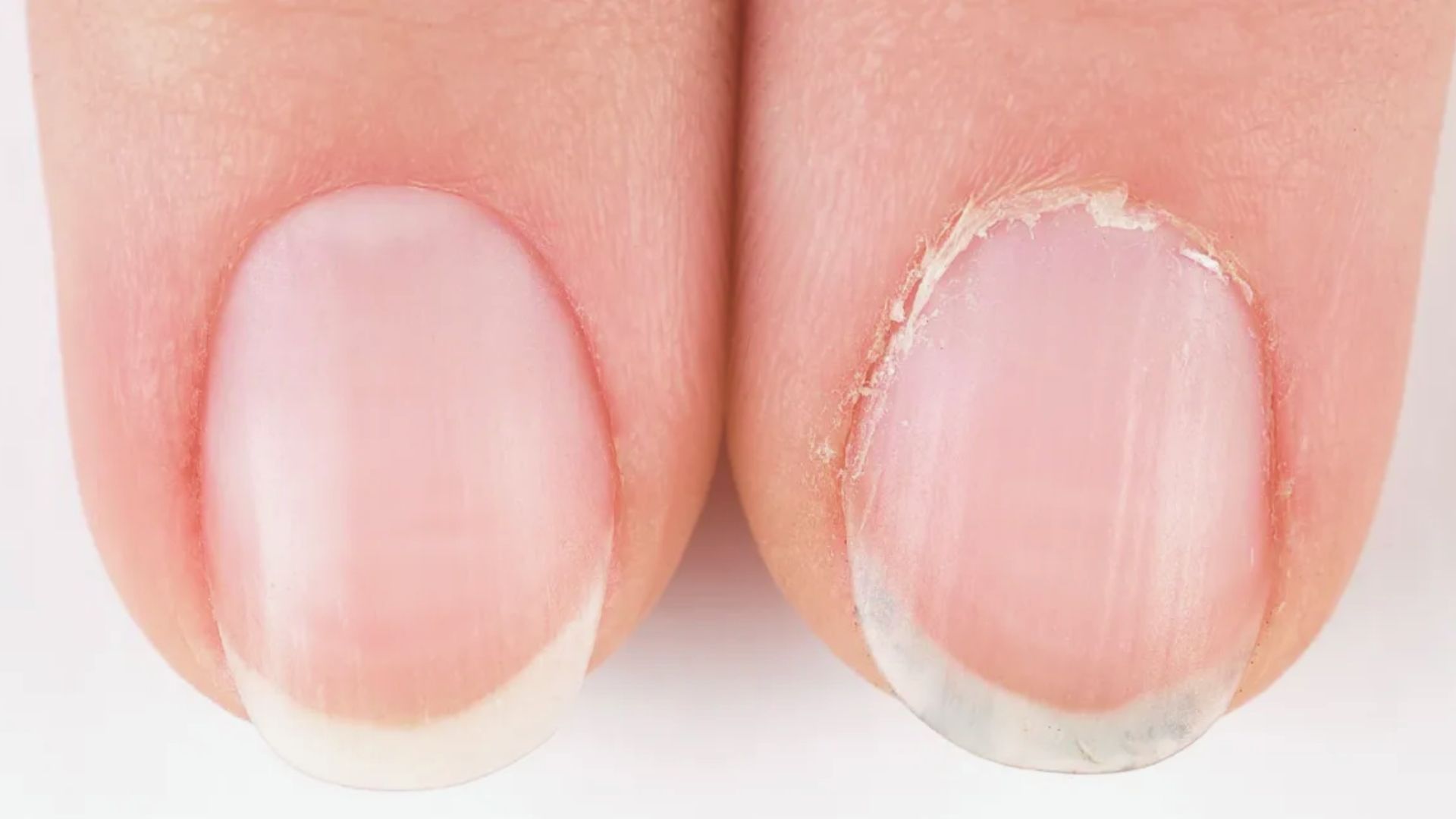
Knowing the difference between healthy and unhealthy cuticles helps you spot problems early. Here’s what to look for around your nails.
Healthy Cuticles
Healthy cuticles are easy to spot. They look smooth and pink. When you touch them, they feel soft and supple.
You won’t see any hangnails, cracks, or dry patches. They sit neatly at the base of your nail without peeling away.
Unhealthy Cuticles
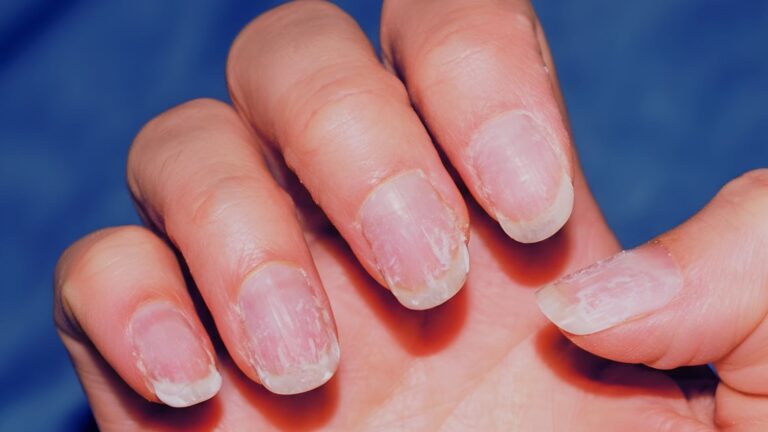
Unhealthy cuticles tell a different story. They appear dry and cracked. You might notice peeling skin or annoying hangnails that catch on everything.
Sometimes white spots show up around the nail bed. These signs often mean you’re not caring for them properly.
Your cuticles can also reveal what’s happening inside your body. Constant dryness and cracking might point to nutritional deficiencies.
Not getting enough vitamins or water shows up in your cuticles first.
How to Care for Cuticles at Home
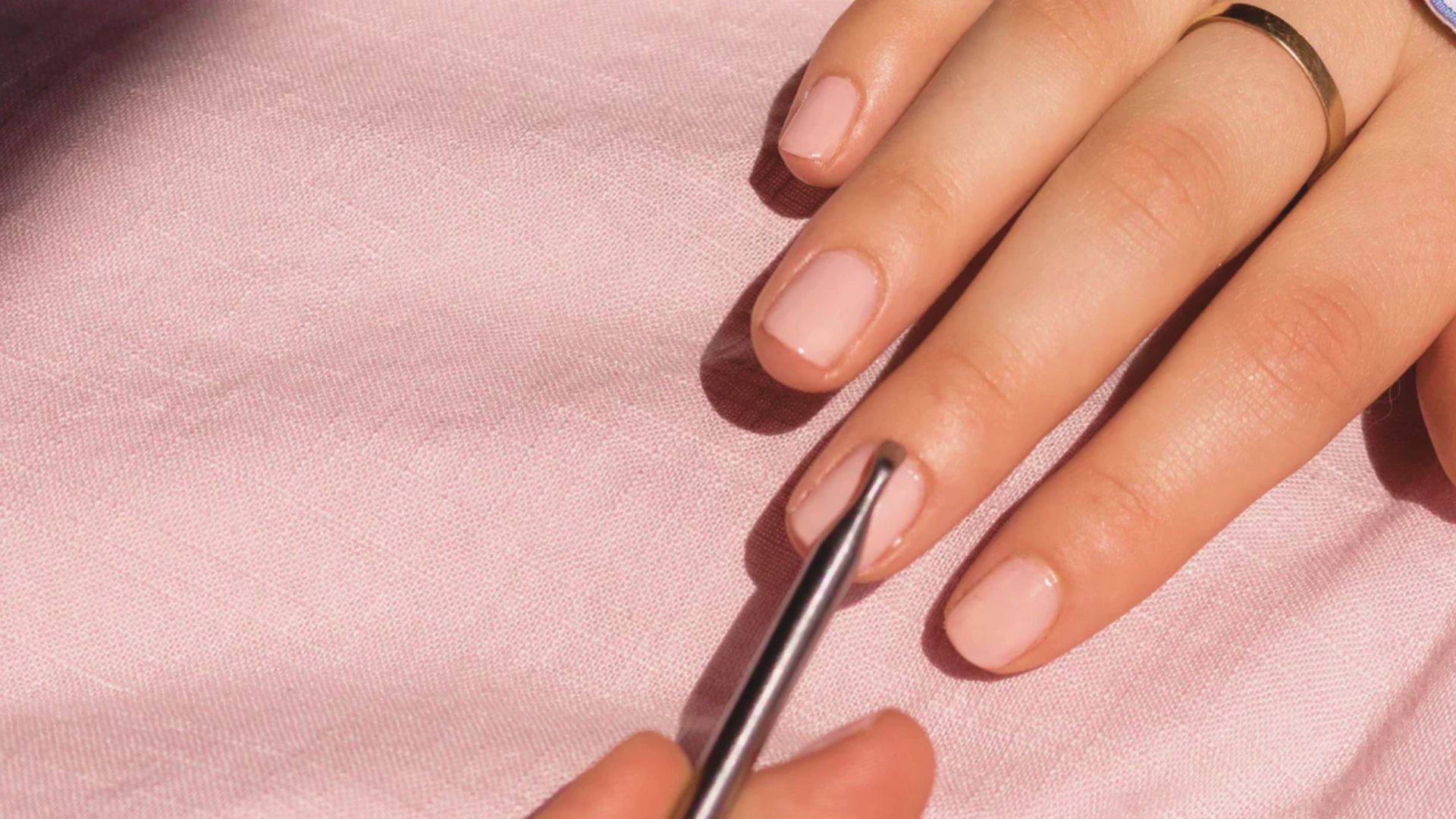
Taking care of your cuticles doesn’t require salon visits. You can do it yourself with basic tools and habits.
Daily Cuticle Maintenance
Moisturize your cuticles daily with cuticle oil or hand cream. Apply after washing hands or before bed.
Stop biting or picking at your nails. It damages cuticles and causes infections.
Drink enough water. Hydration keeps your cuticles and nails healthy.
Soaking and Softening Cuticles
Soak your fingers in warm, soapy water for 5 to 10 minutes. This softens cuticles for easier care.
Add a few drops of oil to the water for extra moisture.
Gentle Pushing Back of Cuticles
Use an orangewood stick or cuticle pusher after soaking. Gently push cuticles back toward the nail base.
Remove excess dead skin carefully. Trim hangnails with clean clippers, never pull them off.
Tools and Products for Cuticle Care
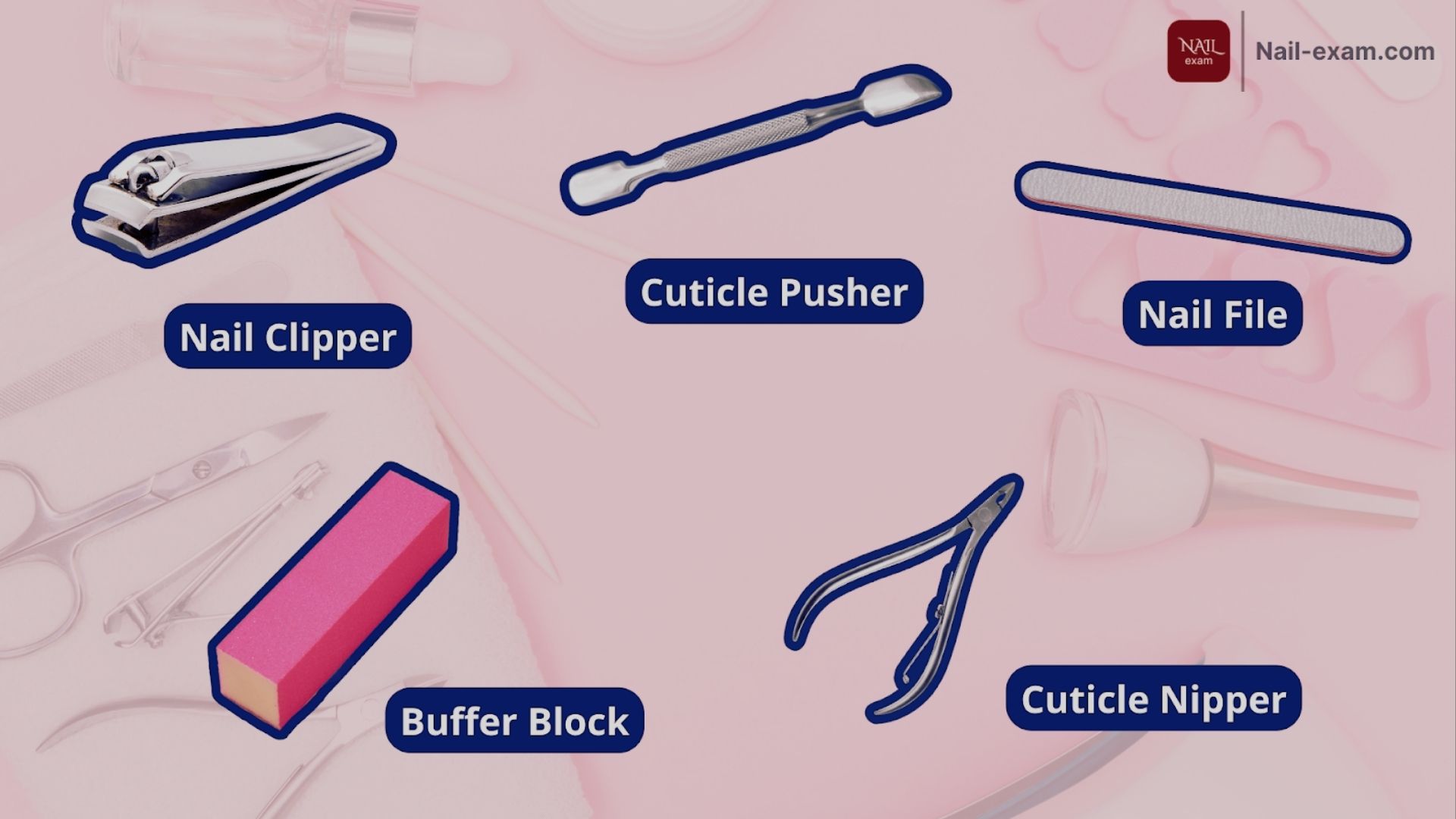
Having the right tools makes cuticle care easier and safer. You don’t need expensive equipment to get professional results at home.
Essential Tools
Start with a cuticle pusher or orangewood stick. These help you gently push back cuticles without causing damage.
Keep cuticle nippers on hand for trimming hangnails. Make sure they’re sharp and clean to avoid tearing skin.
Recommended Products
Cuticle oil is your best friend. It keeps cuticles soft and prevents dryness. Use a good moisturizing cream daily. Apply it to your hands and nails regularly.
Keep antibacterial ointment nearby for cuts or irritation. It prevents infections from developing.
Salon vs. DIY Care
For aggressive treatments like deep trimming, visit a licensed technician. They have the training to handle complex issues safely.
Your home routine works great for regular maintenance. Daily moisturizing and gentle pushing back keeps cuticles healthy between salon visits.
Common Cuticle Problems and Solutions
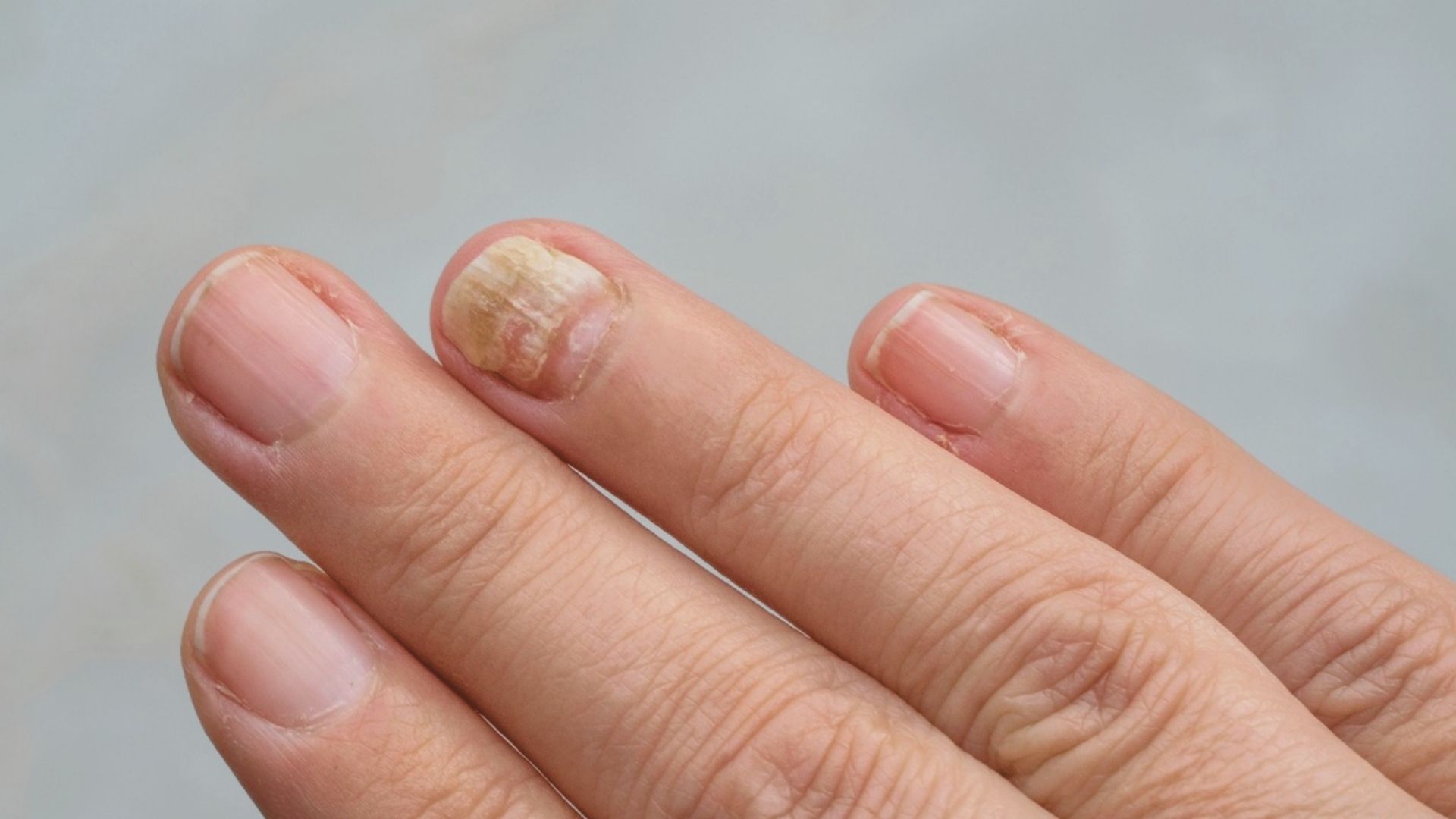
Even with good care, cuticle problems can pop up. Here’s how to handle the most common issues.
Cracked or Peeling Cuticles
Apply cuticle oil or Vaseline daily. Focus on the affected areas and massage it in gently.
Keep doing this until the cracking stops. Consistency is key.
Hangnails
Never pull or rip hangnails. This makes them worse and can lead to infections.
Trim them carefully with clean clippers. Soak your fingers in warm water first to soften the skin.
Moisturize after trimming to prevent new hangnails from forming.
Infections (Paronychia)
Watch for these symptoms: redness around the nail, swelling, pain, or pus.
For mild infections, soak your finger in warm salt water several times a day. Keep it clean and apply antibacterial ointment.
If the infection gets worse or doesn’t improve in a few days, see a doctor. Severe infections need professional treatment.
Cuticle Growth and Recovery
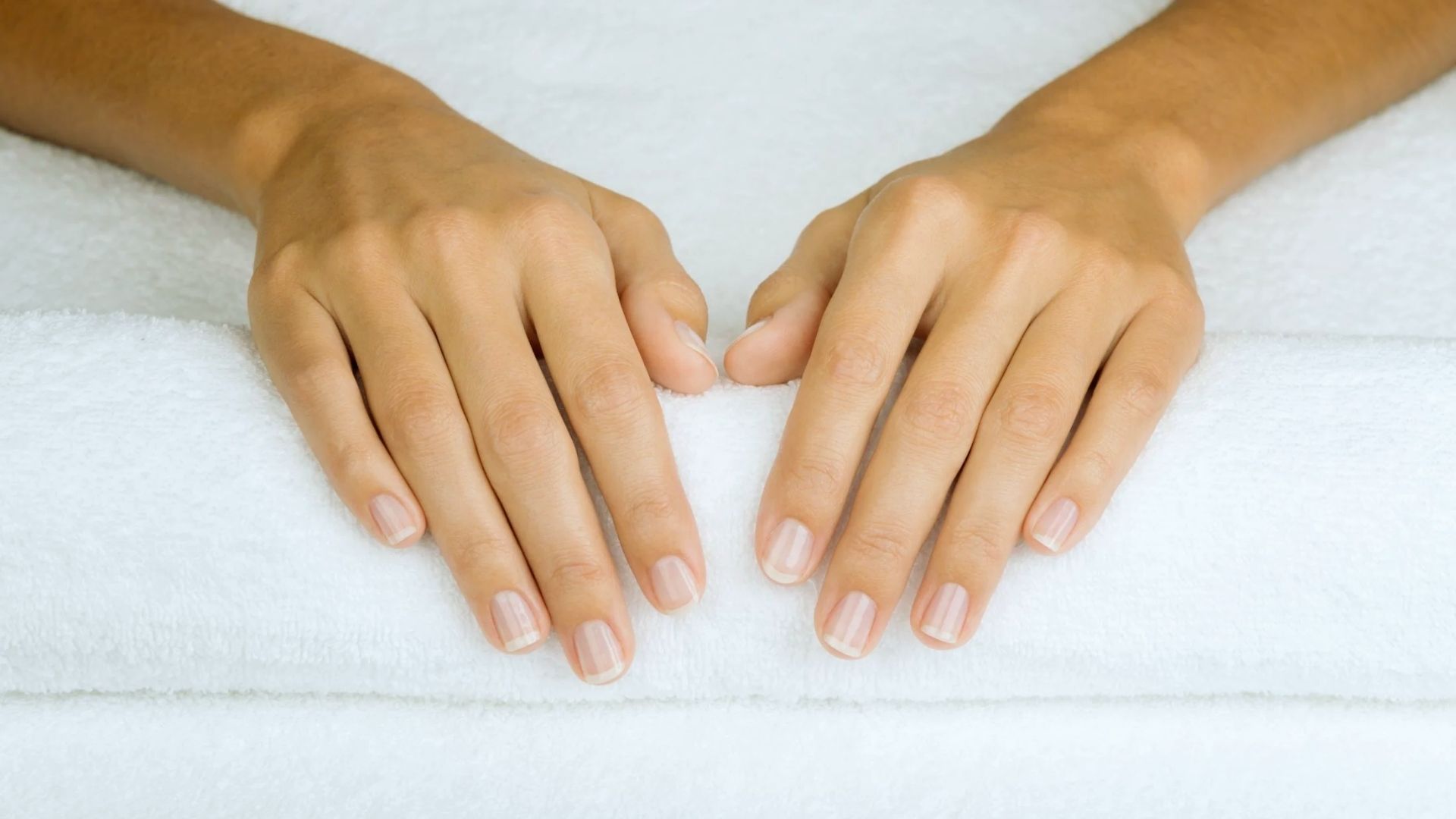
Your cuticles can bounce back after damage. Understanding how they heal helps you care for them better.
How Cuticles Grow Back
Cuticles regenerate quickly. Most grow back completely within 1 to 2 weeks.
Keep the area moisturized during this time. Apply cuticle oil or cream twice daily to support healthy regrowth.
The new cuticle will be delicate at first. Treat it gently while it settles into place.
Preventing Damage During Growth
Stay away from harsh chemicals while your cuticles recover. Wear gloves when cleaning or doing dishes.
Avoid rough manicures that push or cut too aggressively. Let your cuticles heal fully before any intensive treatments.
Stop biting your nails. This habit tears at healing cuticles and slows down recovery.
Give your cuticles time and care. They’ll grow back stronger when you protect them properly.
Professional Tips for Maintaining Healthy Cuticles
- Schedule regular salon visits with licensed technicians who follow proper hygiene standards. Clean tools prevent infections and ensure safe treatments.
- Never cut your cuticles aggressively as this creates openings for bacteria and fungi. Gentle pushing back is all you need for well-groomed nails.
- Apply nourishing oils daily to keep cuticles soft and hydrated. Oils like jojoba, vitamin E, or almond work best for cuticle health.
- Eat a balanced diet rich in collagen to support nail and cuticle strength from within. Foods like bone broth, fish, and citrus fruits boost collagen production.
- Add omega-3 fatty acids to your meals through salmon, walnuts, or flaxseeds. These healthy fats reduce inflammation and keep cuticles supple.
Conclusion
Your cuticles protect your nails from infections and support healthy growth. They deserve your attention.
Caring for them is easy. Moisturize daily, push them back gently, and stay hydrated. These simple habits keep your cuticles in great shape.
If problems persist, see a professional for help.
Start today. Healthy cuticles mean strong, protected nails.
What’s your biggest cuticle concern? Share in the comments below!
Frequently Asked Questions
Should I cut my cuticles?
No, cutting cuticles can cause infections and damage. Instead, gently push them back after soaking to keep them neat and healthy.
How often should I moisturize my cuticles?
Apply cuticle oil or cream at least once daily, preferably twice. Consistent moisture prevents dryness, cracking, and hangnails from forming.
What causes white spots on cuticles?
White spots usually indicate dryness, minor trauma, or nutritional deficiencies. Increase hydration and moisturizing to help them fade naturally.
Can damaged cuticles grow back?
Yes, cuticles regenerate within 1 to 2 weeks. Keep the area moisturized and avoid harsh treatments during the healing process.
When should I see a doctor about cuticle problems?
Visit a doctor if you notice severe redness, swelling, pus, or pain that doesn’t improve. These symptoms may indicate an infection requiring medical treatment.