What Are Fake Eyelashes Made Of? Full Guide

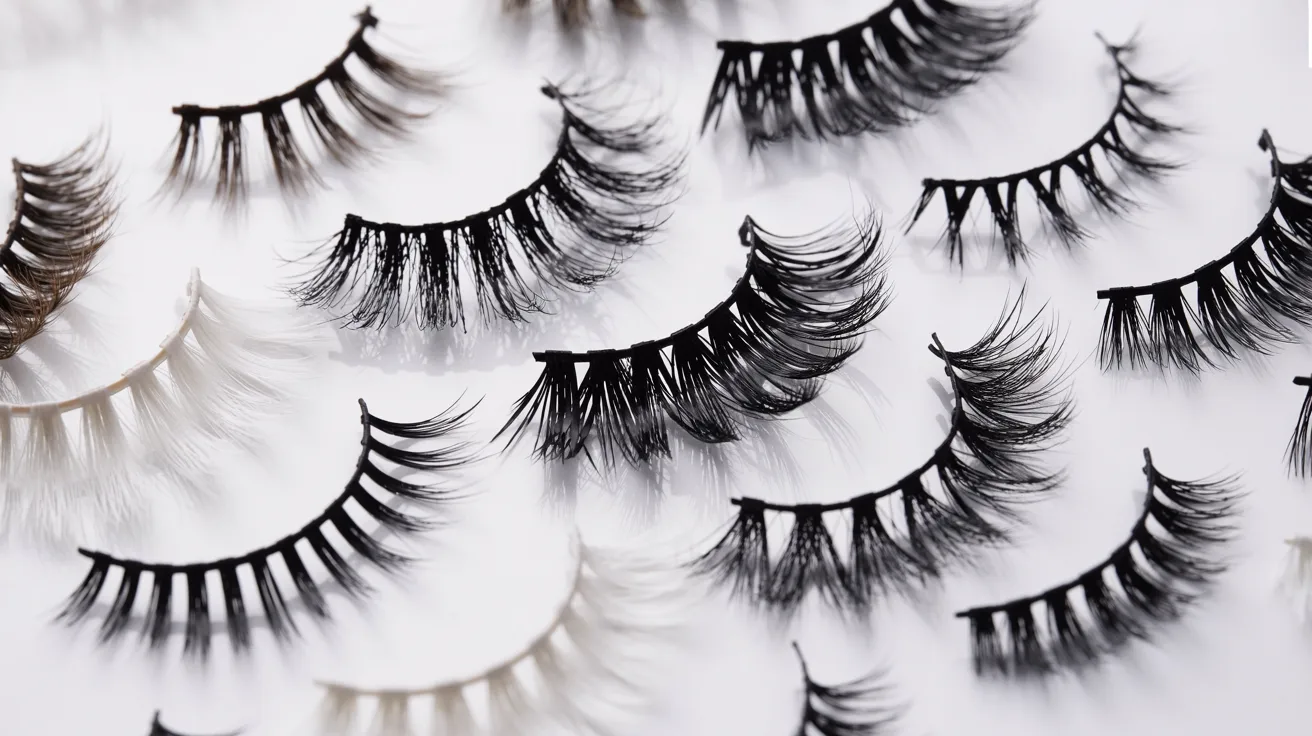
If you’ve ever picked up a pair of lashes and wondered, “What are fake eyelashes made of?” you’re not alone.
I had the same question when I first started wearing them. Choosing the wrong material can cause discomfort, irritation, or a look that just feels off.
In this guide, I’ll walk you through the main materials used in fake lashes, animal-based vs. vegan options, how lashes are actually made, and safe removal methods you can do at home.
I’ve tested and researched this topic closely, so you’re getting real, reliable answers here.
What Are Fake Eyelashes Made Of?
Knowing what goes into your lashes helps you pick the right pair for your eyes and skin.
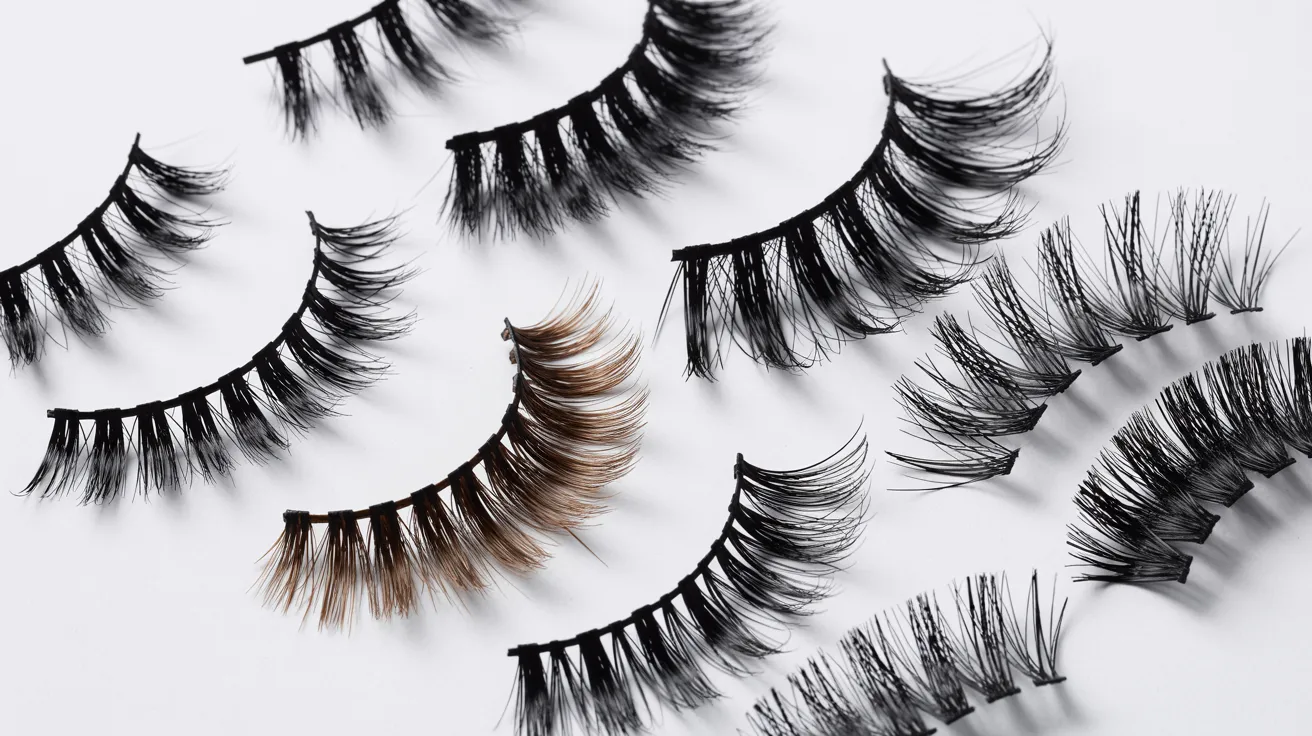
Fake eyelashes are made from a few key materials, synthetic fibres like polyester or nylon, human hair, and Korean PBT fibres.
Each one looks and feels different, and your choice affects comfort, how natural they look, and how long they last. The material is not just about looks either.
It affects how your eyes feel after hours of wear. Some are heavier and strain your lids. Others are too stiff and look fake up close. Picking the right one makes a real difference.
Types of Materials Used in Fake Eyelashes Explained
Each lash material has its own strengths. Here’s what you need to know before buying.
Synthetic Eyelashes
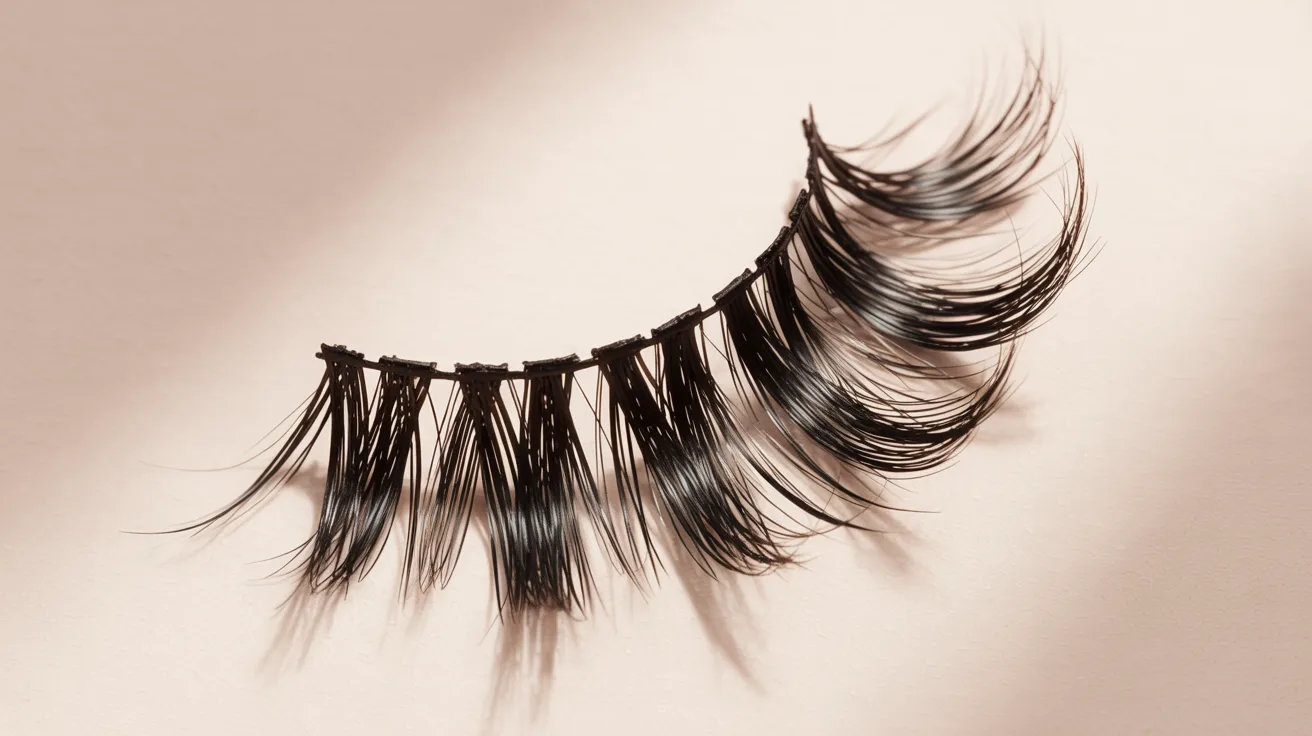
Synthetic lashes are made from polyester or nylon fibres and are the most common and affordable option available.
They hold their curl well, are easy to clean, and work great for bold, dramatic looks.
They are slightly stiffer than natural hair lashes, but modern versions have improved a lot. A solid pick for beginners or anyone on a budget.
Human Hair Eyelashes
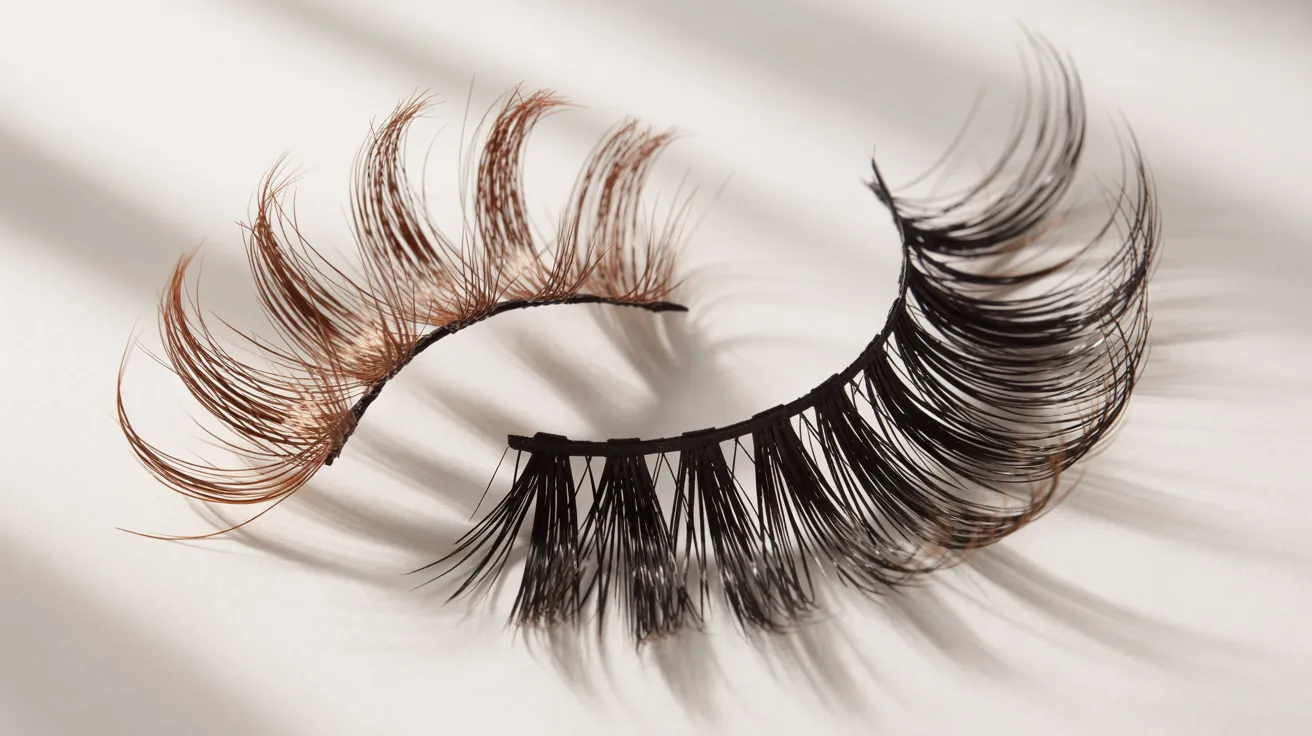
These lashes are made from real human hair, which means they blend in with your natural lashes more easily.
They feel lighter on the eye and absorb mascara better than synthetic options. The look is softer and more natural overall. They cost more, but many people find the result is well worth it.
Korean PBT Eyelashes
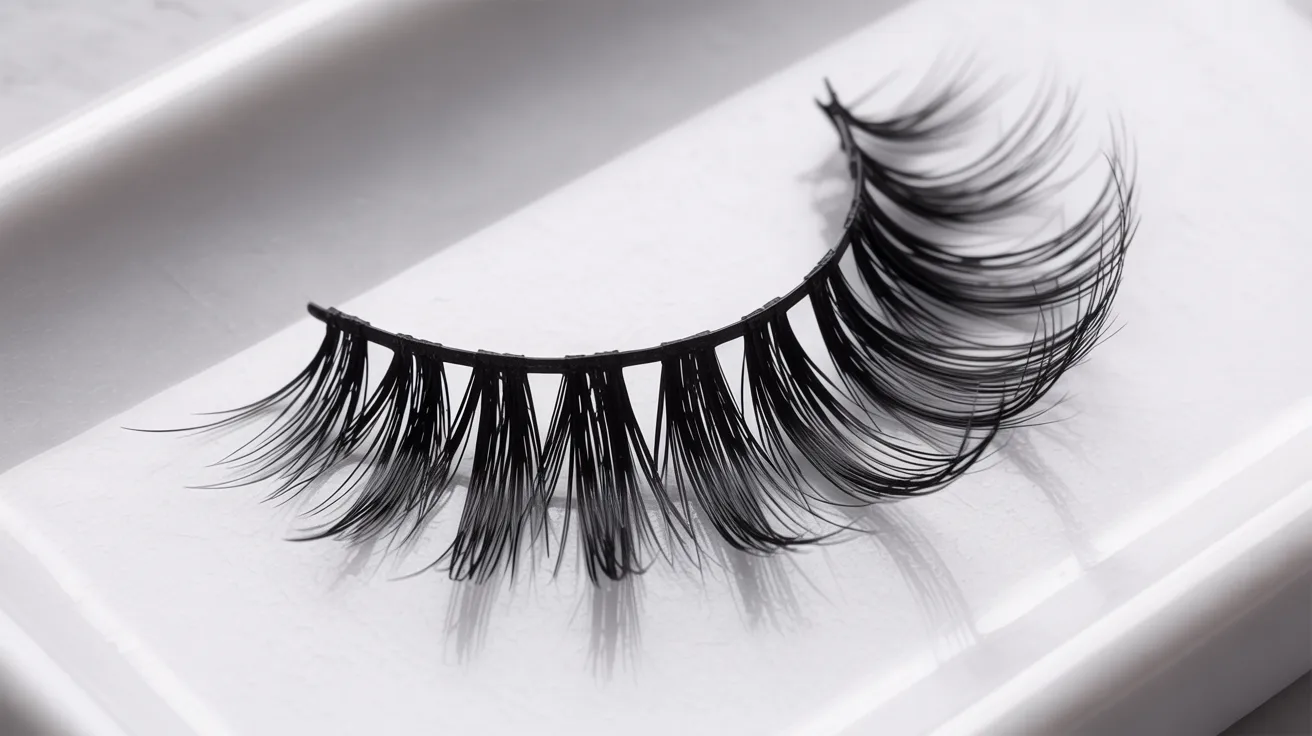
Korean PBT, or polybutylene terephthalate, is a high-grade synthetic fibre widely used in professional lash extensions.
It mimics the texture of real hair, holds its shape in heat and humidity, and lasts longer than standard synthetic lashes.
This makes it a top choice among lash artists who want reliable, long-lasting results for their clients.
Are Fake Eyelashes Made From Animals?
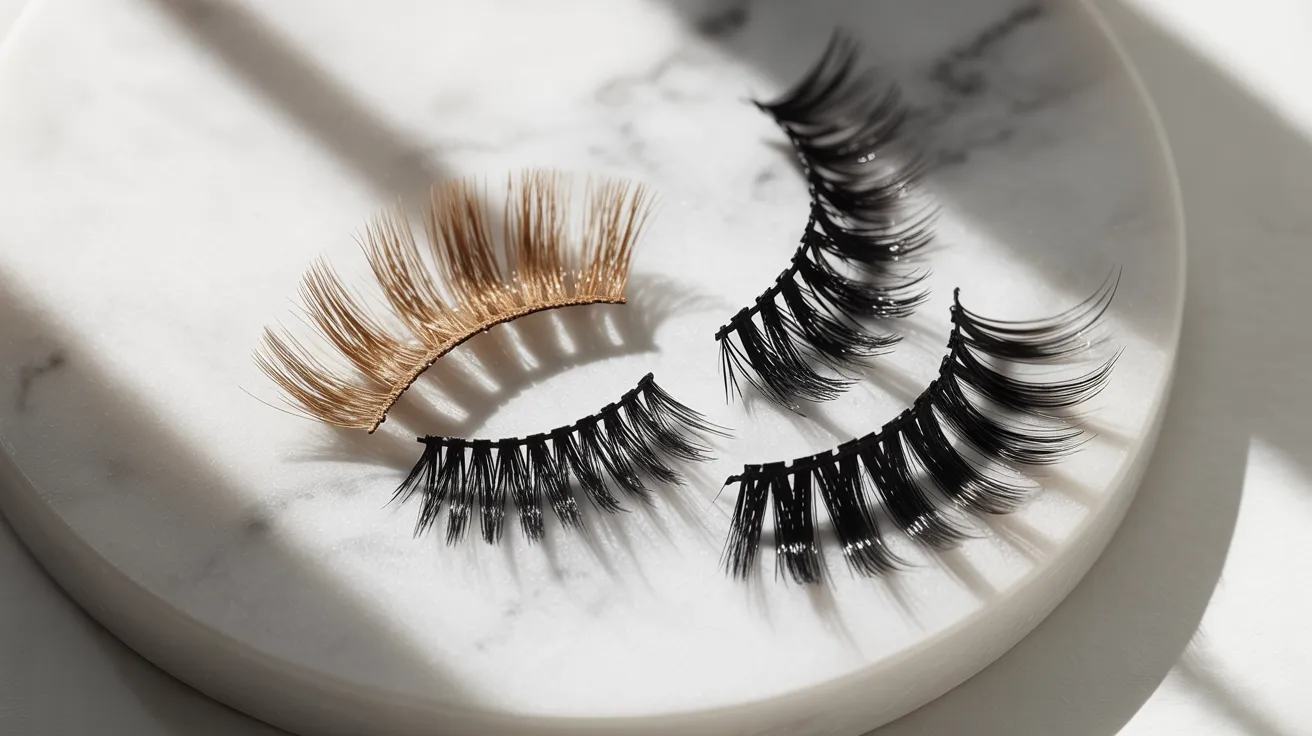
Some lashes come from animal sources. Knowing this helps you make informed and ethical choices.
Mink and Silk Lashes Explained
You may have seen “mink lashes” or “silk lashes” in stores.
Here’s the truth:
Mink lashes were once made from real mink fur. Some brands still use it. They are soft and feathery, but they come with ethical issues.
Silk lashes are usually synthetic. The term “silk” is often used as a marketing description, not an actual material. Most silk lashes are made from a fine synthetic fibre that feels smooth.
Ethical Concerns and Allergies
Real mink lashes raise serious animal welfare concerns. Animals are kept in cages and their fur is collected under stressful conditions.
On top of that, some people are allergic to animal-based materials. This can cause redness, swelling, or itching around the eyes.
Vegan and Cruelty-Free Alternatives
Good news you don’t need animal products for great-looking lashes. Many brands now offer,
- Vegan synthetic lashes
- Cruelty-free Korean PBT lashes
- Plant-based band materials
These options look just as good without the ethical concerns.
How Fake Eyelashes Are Made
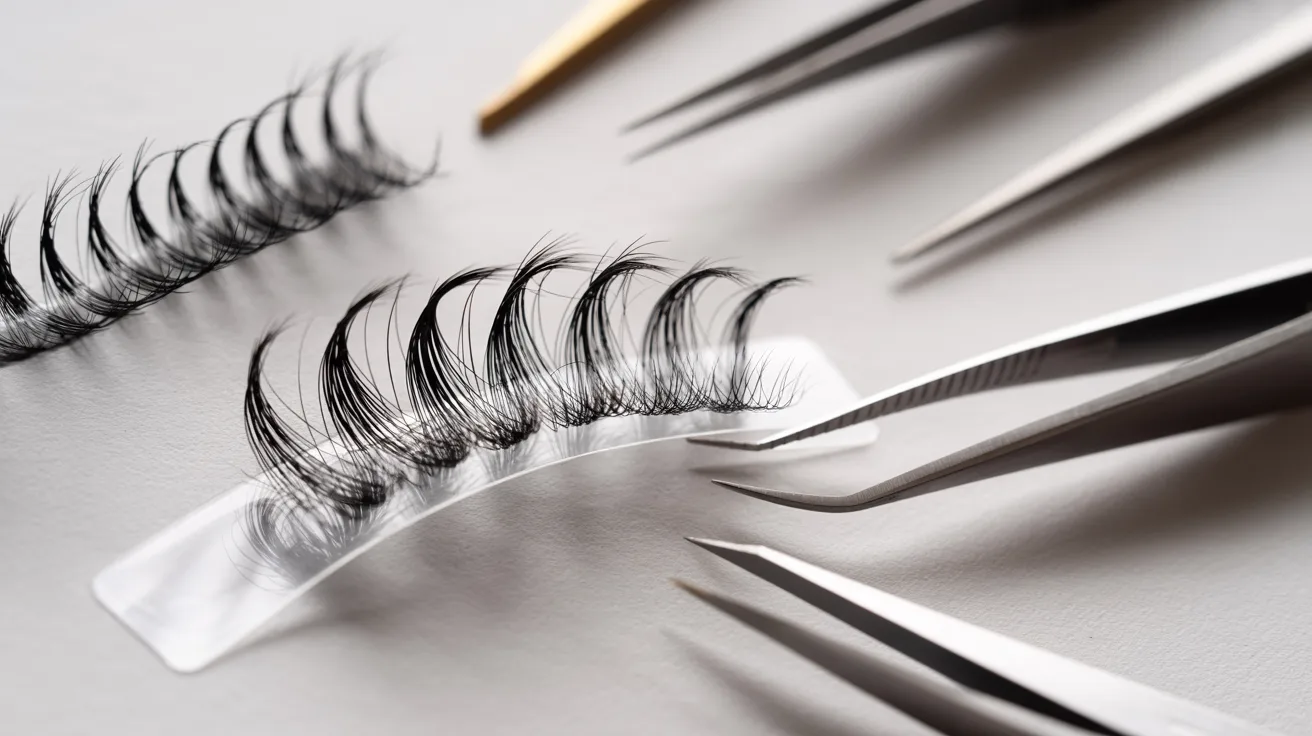
The process behind making lashes is more detailed than most people think.
Material Selection
Manufacturers start by choosing the fibre type. The fibre is selected based on the lash style — natural, wispy, dramatic, or full.
Lash Design and Shaping
The fibres are cut to different lengths and curled using heat. This gives each lash its specific shape. Different curl types (J, B, C, D) create different looks.
Strip vs Individual Lashes
Strip lashes are attached to a thin band. They sit along your entire lash line. Individual lashes are single clusters or single strands. They are applied one by one for a more custom look.
Finishing Process
Once shaped, lashes are attached to the band, trimmed, and inspected. They are then packaged in a tray to hold their shape during shipping.
How to Remove Lash Extensions Safely at Home
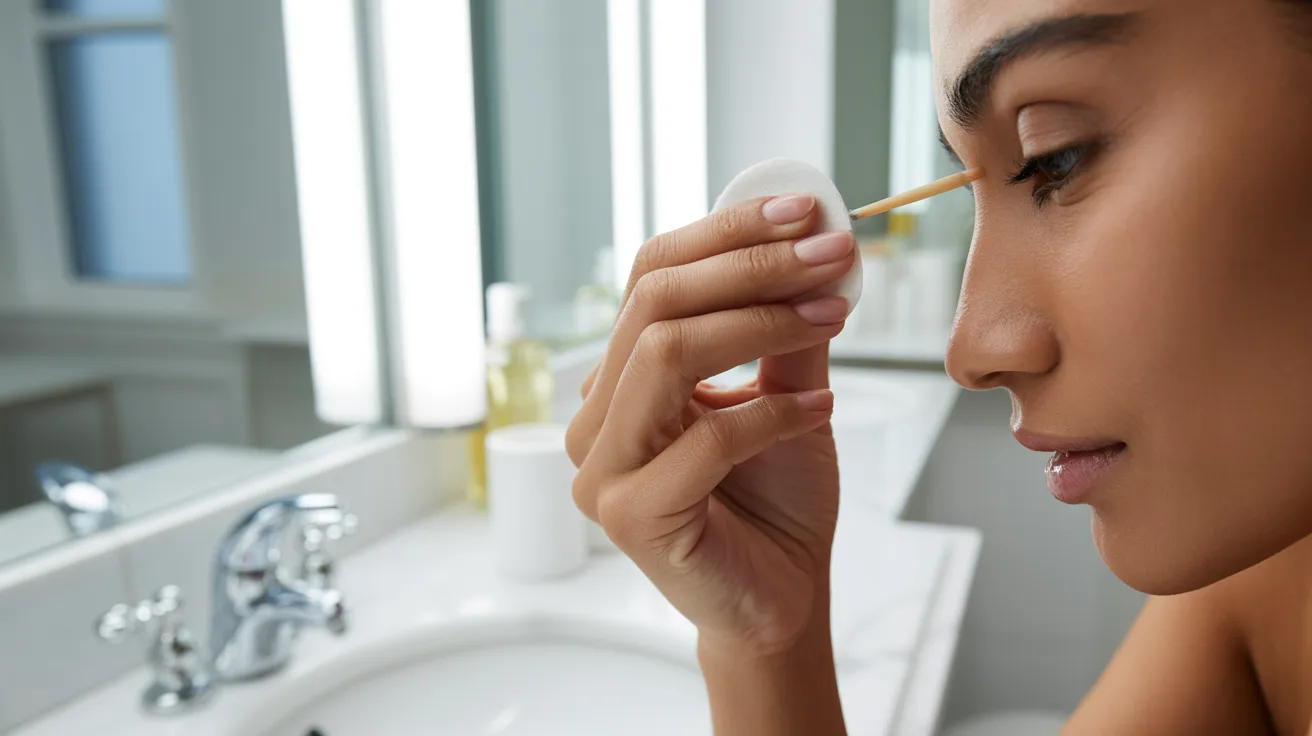
Removing lashes the right way protects your natural lashes and keeps your eyes healthy.
How to Remove Lash Extensions at Home Safely
Never pull lash extensions off. This damages your real lashes and can cause breakage.
Follow these steps:
- Soak a cotton pad in an oil-based cleanser
- Hold it gently over your closed eye for 30 seconds
- Slide the pad downward slowly
- Repeat until the lash loosens and slides off
How to Remove Lash Extensions Without Remover
No remover? No problem. Steam can help loosen the adhesive.
- Boil water and pour it into a bowl
- Hold your face over the bowl with a towel over your head
- Steam for 10 to 15 minutes
- Gently wipe your lashes downward
How to Remove Lash Extensions with Coconut Oil or Olive Oil
Both oils break down lash glue naturally.
- Warm a small amount of oil between your fingers
- Apply it along the lash line using a cotton swab
- Wait 2 to 3 minutes
- Gently slide the lash off
These oils are safe for sensitive eyes and also condition your natural lashes.
How to Remove Lash Extensions with Vaseline or Baby Oil
Vaseline and baby oil work in a similar way.
- Apply a small amount along your lash line
- Leave it on for 5 minutes
- Use a clean spoolie or cotton pad to slide the lashes off
Both options are gentle and widely available at home.
How to Remove Lash Extensions Without Oil
If you want an oil-free method, micellar water works well.
- Soak a cotton pad in micellar water
- Press it against your lashes for 1 minute
- Gently wipe downward
- Repeat as needed
This is a good option if you have oily skin and want to avoid extra oil near your eyes.
Tips for Choosing and Safely Removing Fake Eyelashes
Small choices make a big difference. These tips help you get the best results every time.
- For a natural look, go with human hair or Korean PBT lashes. For bold styles, synthetic lashes work great and cost less.
- If your eyes are sensitive, avoid real mink or thick synthetic lashes and stick to lightweight, vegan options.
- Always use oil, steam, or micellar water to remove lash extensions. Never pull them off.
- Don’t apply lashes too close to your inner corner as it can cause irritation and an unnatural look.
- Never sleep in strip lashes. It damages both the lashes and your natural lash line.
- Always do a patch test when trying a new lash brand or glue to avoid reactions.
- Never use expired glue. It weakens the bond and can harm the delicate skin around your eyes.
Conclusion
Now you know what fake eyelashes are made of and how to choose and remove them the right way. I remember the first time I ruined my natural lashes by pulling off extensions, not fun.
Taking a little extra care really pays off. Pick a material that suits your lifestyle and eye sensitivity. Use gentle removal methods every time.
If this guide helped you, share it with a friend who loves lashes too. Got a question or a tip of your own? Drop it in the comments I’d love to hear from you.
Frequently Asked Questions
Are fake eyelashes safe to wear every day?
Yes, but only if you use quality materials and proper removal methods. Wearing lashes daily without breaks can weaken your natural lashes over time.
What are the most natural-looking fake eyelashes made of?
Human hair and Korean PBT lashes tend to look the most natural. They mimic real lash texture and blend in well with your existing lashes.
Can fake eyelashes cause allergic reactions?
Yes, some people react to the glue or the lash material itself. Always do a patch test before full application, especially with animal-based lashes.
How many times can you reuse synthetic lashes?
With proper cleaning and care, most synthetic lashes can be reused 10 to 15 times. Store them in their original tray to keep their shape.
What is the difference between mink and synthetic lashes?
Mink lashes come from animal fur and feel very soft. Synthetic lashes are man-made and more affordable. Most people choose synthetic for ethical and budget reasons.