What Is Microshading Eyebrows? Complete Guide

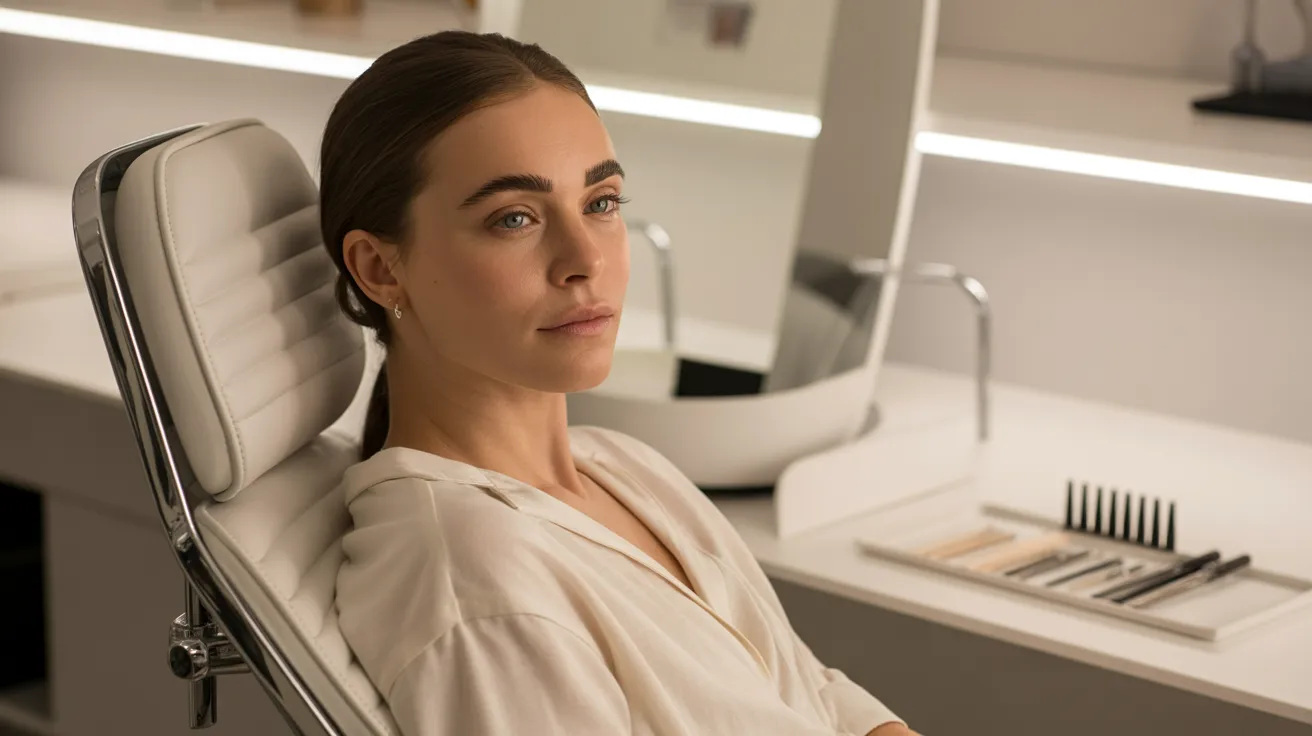
I’ve sat in the brow artist’s chair more than once, unsure what to expect.
If you’re looking into microshading, you’re probably wondering if it’s worth it, what the process feels like, and how long it lasts. I get it.
This guide covers everything: what microshading is, how it compares to microblading, the healing stages, costs, and aftercare.
I’ve done the research so you don’t have to.
By the end, you’ll know exactly what to expect and whether microshading is the right call for your brows.
Let’s get started.
What Is Microshading?
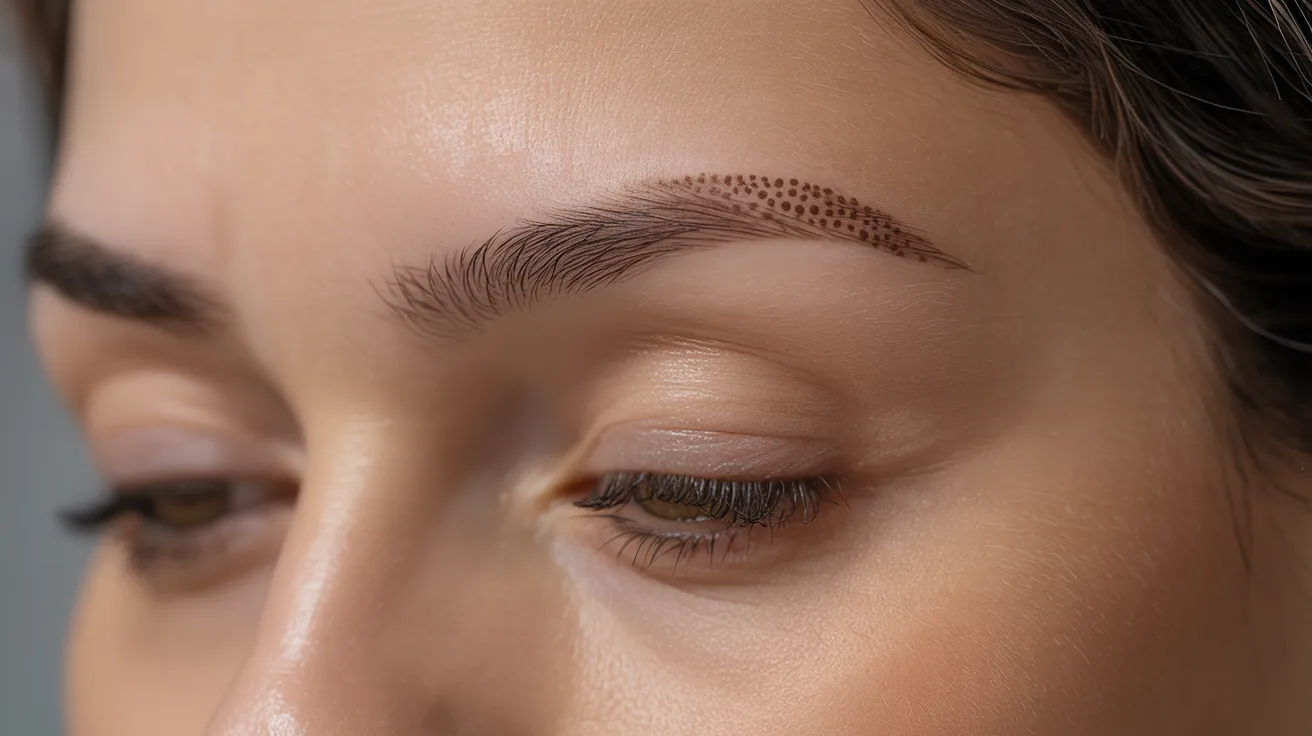
Microshading is a form of semi-permanent brow makeup that creates fuller, defined brows using tiny pigment dots.
Definition
Microshading is a semi-permanent makeup technique. A trained artist deposits pigment into the skin in small, dotted patterns.
The result looks soft and powdery, like you’ve filled in your brows with a brow powder. It suits people who want a fuller, more made-up look without picking up a pencil every morning.
How It Works
The artist uses a hand tool or a machine to apply pigment in tiny dots across the brow area. These dots blend together to create a soft, shaded effect.
In some cases, the artist adds hair-like strokes on top for a more realistic finish. The process takes about two hours and requires a touch-up session six weeks later.
Microblading vs Microshading
Both are semi-permanent brow treatments, but they work differently and suit different people.
| Feature | Microblading | Microshading |
| Technique | Hair-like strokes cut into skin | Tiny pigment dots applied to skin |
| Appearance | Natural, realistic brow hairs | Soft, powdery, makeup-like finish |
| Best Skin Type | Normal to dry skin | Oily or sensitive skin |
| Touch-Up Frequency | Every 8–12 months | Every 12–18 months |
| Healing | Minimal scabbing | Scabbing and ghosting stage |
| Pain Level | Moderate | Mild to moderate |
| Longevity | 1–2 years | 2–3 years |
Benefits of Microshading

Microshading comes with real, everyday perks that go beyond just looking put-together.
- Lasts longer than microblading: You get up to 18 months or more between touch-ups, so maintenance is low.
- Works on oily and sensitive skin: Unlike microblading, the dotted technique holds better on skin that produces more oil.
- Saves time daily: No need to fill in your brows every morning. You wake up with brows already done.
- Soft and natural-looking: The powdery finish looks like filled-in brows, not tattooed lines.
- Customizable shape and density: Your artist can adjust the shading to match your natural brow shape and your preferred fullness.
Risks and Side Effects
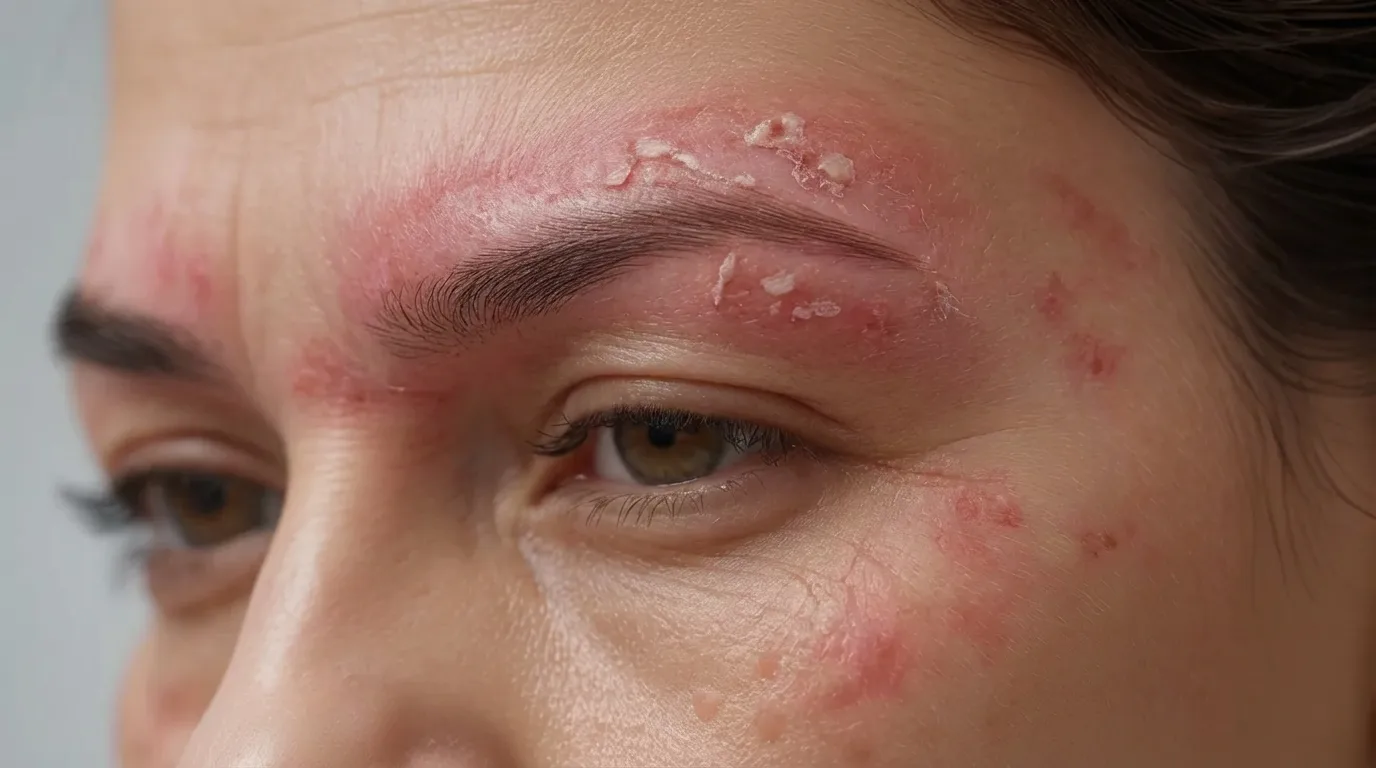
Like any skin treatment, microshading comes with a few things to watch out for.
- Infection risk: If the tools aren’t sterile or aftercare is skipped, the skin can get infected. Always go to a certified artist.
- Allergic reaction: Some people react to the pigment. A patch test before the session is always a good idea.
- Uneven fading: The color may fade unevenly depending on your skin type and how well you follow aftercare.
- Ghosting stage confusion: Between days 8 and 14, the brows can look like they’ve disappeared. This is normal but can be alarming if you’re not prepared.
- Scarring: This is rare but can happen if the artist goes too deep or if you pick at the scabs during healing.
Healing Timeline
Healing takes about four to six weeks in total. Here’s what to expect at each stage.
Days 1–2: The brows look very dark and bold. Some swelling and redness are normal. The skin feels tender to the touch.
Days 3–7: Scabbing and flaking begin. The brows may look patchy. Do not pick at the scabs. Let them fall off on their own.
Days 8–14: This is the ghosting stage. The brows can look very light or almost gone. The pigment is settling under a new layer of skin. Don’t panic: this is part of the process.
Days 15 and beyond: Color starts coming back. The brows look softer and more natural as the skin fully heals.
Touch-up session: Scheduled around six weeks after the first session. This fills in any faded spots and locks in the shape.
Cost Overview
Microshading costs vary based on location, artist experience, and what’s included in the price.
| Factor | Price Range |
| Initial Session (USA average) | $400 – $800 |
| Touch-Up Session | $100 – $250 |
| Annual Maintenance | $150 – $300 |
| Budget/Entry-Level Artists | $200 – $350 |
| High-End/Specialist Artists | $800 – $1,200+ |
| Package Deals (session + touch-up) | $450 – $900 |
Prices vary by city and artist. Always check reviews and portfolios before booking.
Aftercare Tips
Good aftercare makes the difference between great results and patchy fading.
- Keep the brows dry for the first 10 days. Avoid sweat, steam, and water directly on the brow area.
- Don’t pick or scratch. Let scabs fall off on their own to avoid pulling out pigment.
- Apply the healing ointment your artist gives you. Use a thin layer once or twice a day as directed.
- Skip makeup on the brow area until fully healed. Foundation and powder can clog the skin and affect pigment.
- Stay out of the sun. UV exposure fades pigment faster. Use SPF around the brows once healed.
Conclusion
Microshading changed how I think about my morning routine. There’s something genuinely freeing about waking up with brows that already look done.
I know the healing stage can feel nerve-wracking, especially the ghosting phase: I’ve been there. But the results are worth it.
If you’re ready to cut down on brow time and get a soft, full look that lasts, microshading is worth looking into.
Have questions or a microshading experience to share?
Drop a comment below: I’d love to hear from you.
Frequently Asked Questions
How long does microshading last?
Microshading typically lasts between 12 and 18 months. Touch-ups every year or so help keep the color fresh and the shape defined.
Does microshading hurt?
Most people describe the sensation as mild pressure or light scratching. A numbing cream is applied before the session to keep discomfort low.
Can I get microshading if I have oily skin?
Yes. Microshading is actually a better fit for oily skin than microblading. The dotted technique holds pigment more reliably on skin that produces oil.
What is the ghosting stage in microshading healing?
The ghosting stage happens between days 8 and 14. The brows appear very faded or almost invisible. This is normal. The pigment is settling under new skin and will reappear as healing continues.
How do I choose the right microshading artist?
Look for a licensed, certified artist with a strong portfolio of healed results: not just freshly done brows. Read reviews, ask about the pigment brand they use, and always request a consultation before booking.