Witch Hazel for Skin: Benefits, Uses & How to Use It Safely


If your skin gets oily, irritated, or breaks out easily, witch hazel for skin is one of the simplest solutions that actually works.
It’s affordable, easy to find, and backed by both traditional use and modern skincare research.
In this article, you’ll learn what witch hazel is, what it does to your skin, and how to use it the right way.
There are tips for different skin types, easy DIY recipes, product-buying advice, and a list of common mistakes to avoid.
Having researched this closely and used it personally, the goal here is to give you real, honest information you can actually apply.
By the end, you’ll know exactly what to expect from witch hazel and whether it suits your skin.
What Is Witch Hazel and Why Is It Used for Skin?
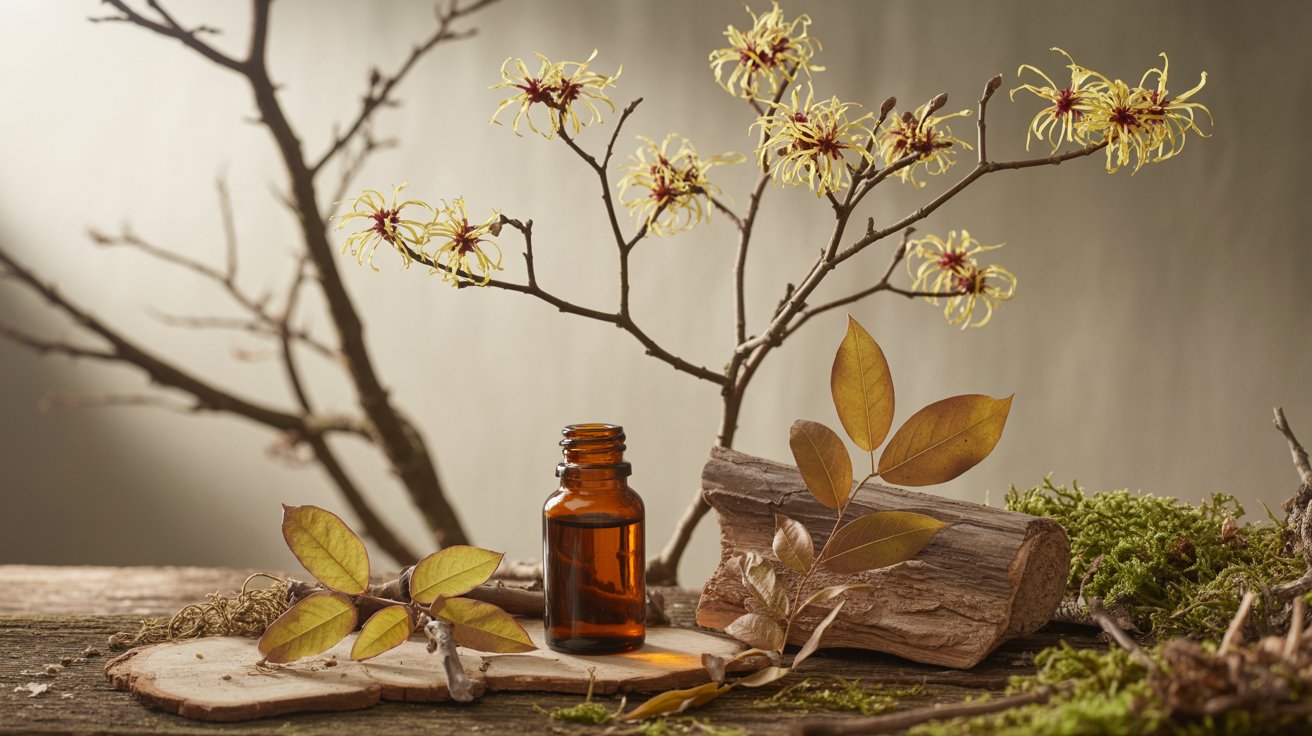
Witch hazel is a plant. Its scientific name is Hamamelis virginiana. It grows in North America and parts of Asia.
The leaves, bark, and twigs are used to produce an extract. That extract is what you find in most skincare products.
It has been used for centuries. Native Americans used it to treat skin irritation, swelling, and minor wounds. Today, it shows up in toners, cleansers, and acne treatments across the world.
What makes it effective for skin is its natural astringent quality. It tightens pores, reduces oil, and calms irritation.
The key compounds behind these effects are tannins, flavonoids, and polyphenols.
Tannins give witch hazel its astringent property. Flavonoids and polyphenols help reduce inflammation and protect skin from oxidative damage.
These aren’t just marketing claims. Studies show tannins in witch hazel help reduce skin inflammation at a cellular level.
Top Benefits of Witch Hazel for Skin
Witch hazel has stayed popular because it does a few things really well.
It controls excess oil and temporarily tightens pores, making them appear smaller after each use. For anyone with oily or combination skin, this alone makes it worth trying.
It soothes irritation. The anti-inflammatory compounds in witch hazel calm redness and inflamed skin quickly. Many users report visible improvement within a few days of consistent use.
It helps with acne. It cleans pores and reduces surface bacteria, which can mean fewer breakouts over time. Dermatologists often point to its antibacterial properties as one reason it works well for acne-prone skin.
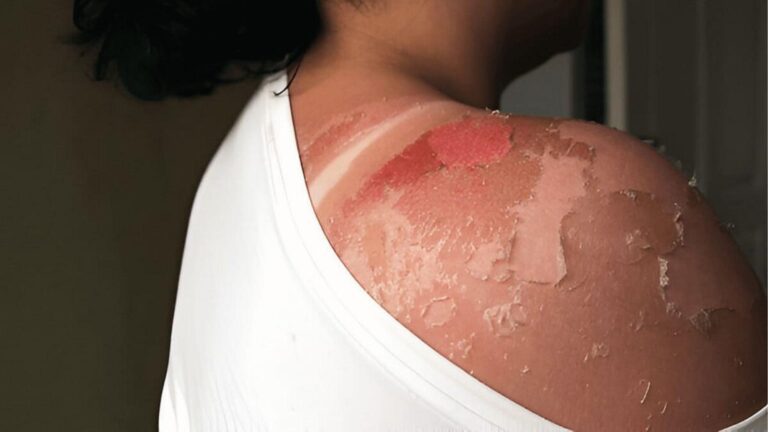
It also helps with sunburn, razor burn, and minor cuts. That range of uses is what makes it a reliable part of many skincare routines.
How to Use Witch Hazel for Skin (Step-by-Step Guide)
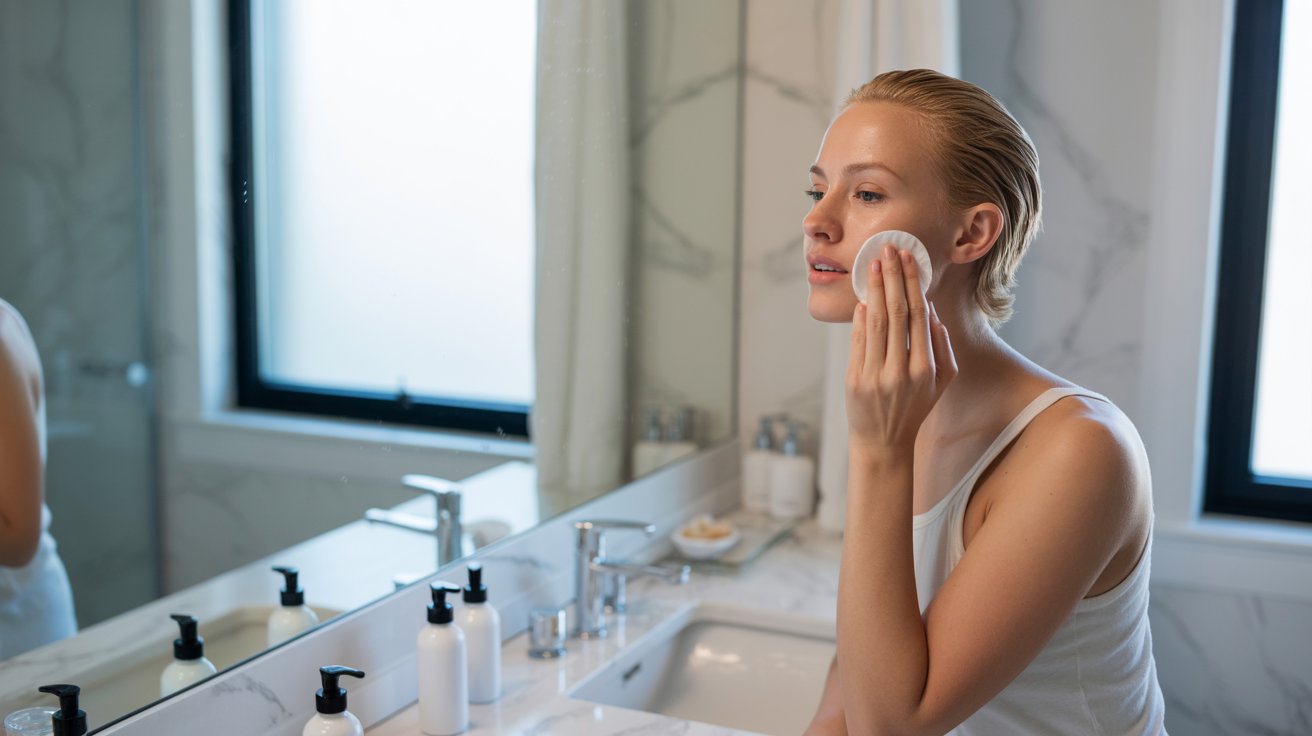
As a toner in your daily routine: Cleanse your face first. Apply a small amount of witch hazel to a cotton pad. Swipe it gently across the face. Let it dry fully before moisturizing. Once a day is a good starting point.
Spot treatment for acne: Dip a cotton swab into witch hazel. Apply it directly onto the blemish. Let it dry and leave it on. Repeat twice a day until the spot clears up.
After shaving to prevent irritation: Pat witch hazel onto freshly shaved skin. It soothes razor burn and closes pores. It works on legs, underarms, and the face.
For sunburn relief: Chill the bottle in the fridge first. Then apply witch hazel to the sunburned area using a soft cloth. It cools and calms the skin on contact.
As a makeup remover: Apply it to a cotton pad and wipe away light makeup. For heavier coverage, pair it with a cleansing oil first.
Witch Hazel for Different Skin Types
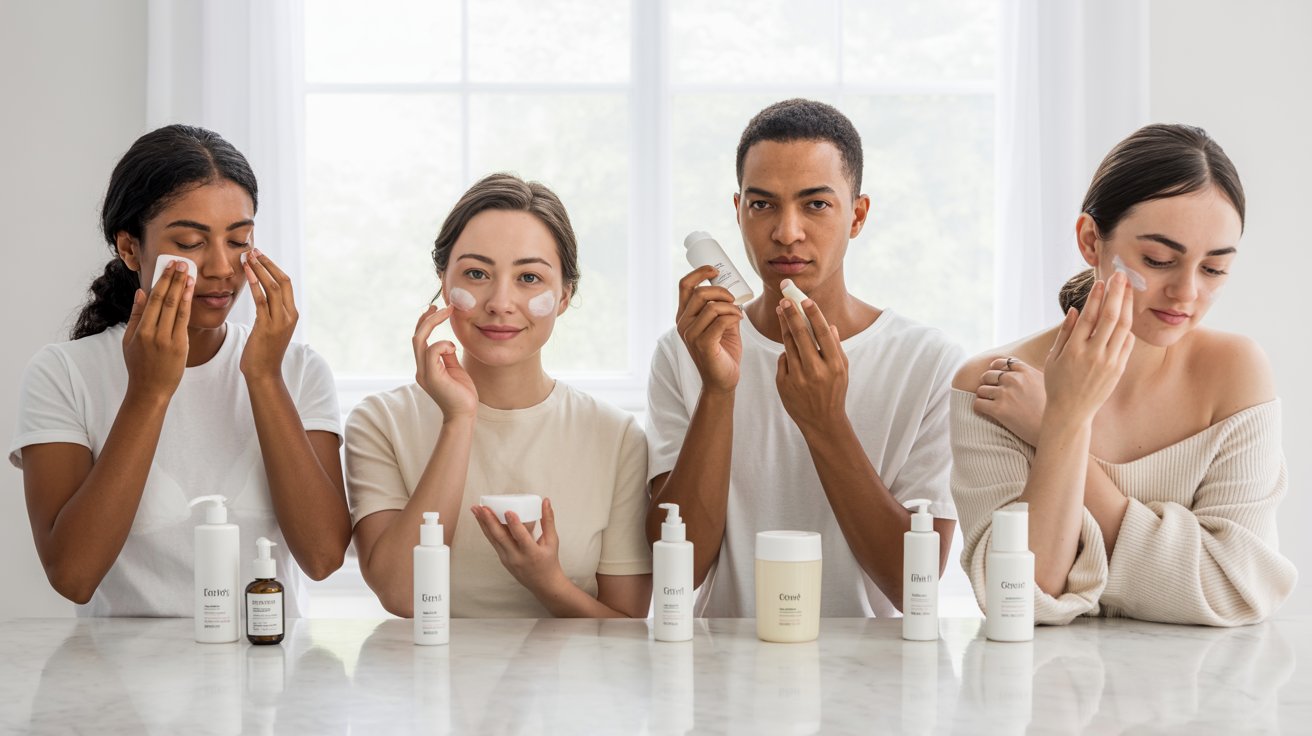
Not every skin type reacts the same way. Here’s a quick breakdown.
Oily skin: Witch hazel works really well here. It controls shine and keeps pores from getting clogged throughout the day.
Acne-prone skin: It helps, but overuse is a risk. Twice a day is the limit. Using it more strips the skin and can trigger more breakouts.
Dry skin: Use with caution. Witch hazel can be drying. Choose an alcohol-free version and apply every other day. Always follow with a moisturizer.
Sensitive skin: Do a patch test before using it on your face. Apply a small amount to your wrist and wait 24 hours. No reaction means you’re likely fine to proceed.
Combination skin: Focus application on oily zones like the T-zone. Skip the dry patches entirely.
DIY Witch Hazel Skincare Recipes
These are easy to make at home without spending much.
Calming toner: Mix half a cup of witch hazel with one tablespoon of aloe vera gel. Add two drops of lavender essential oil. Always dilute essential oils properly to avoid irritation. Stir well and pour into a spray bottle. Use after cleansing.
Acne spot treatment: Mix one teaspoon of witch hazel with one teaspoon of diluted tea tree oil. Tea tree oil must be diluted before use. Apply to blemishes with a cotton swab at night only.
Soothing face mist: Mix witch hazel with rose water in equal parts. Pour into a spray bottle. Mist your face during the day for a calming, refreshing effect.
Store all of these in the fridge and use within two weeks.
Is Witch Hazel Safe? Side Effects and Precautions
For most people, witch hazel is safe for topical use. But there are things to keep in mind.
Some products contain high levels of alcohol. This can dry out the skin and cause irritation with daily use.
Dermatologists often recommend alcohol-free formulas for sensitive or dry skin types specifically for this reason.
Overuse is a common problem. Once a day is enough for most people. Going beyond that strips the skin’s natural oils and upsets its balance.
Some individuals are allergic to witch hazel. A patch test before first use is always a smart move.
If you are pregnant or breastfeeding, check with your doctor before using it. Most topical use is considered low-risk, but professional guidance is always better.
Witch Hazel vs Other Natural Toners
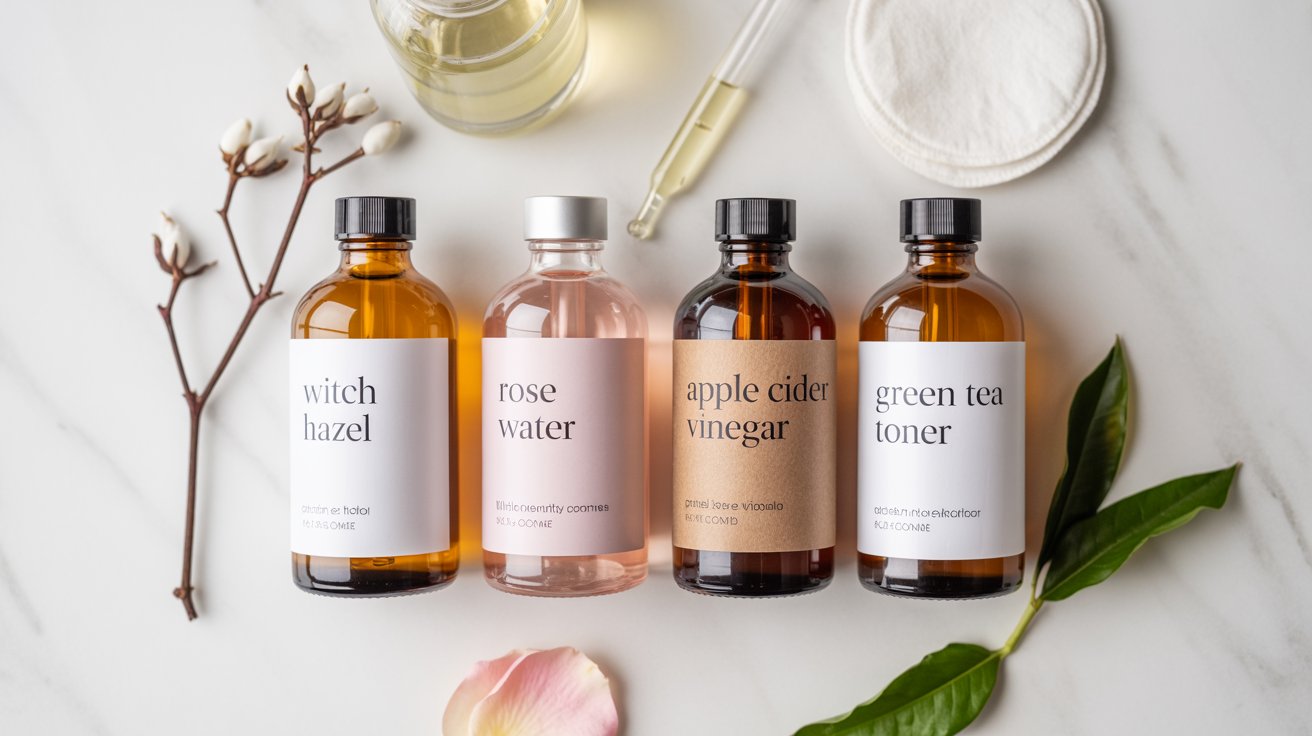
There are other natural toner options. Here’s how witch hazel stacks up.
Rose water is very gentle. It hydrates and soothes but doesn’t control oil as effectively. It suits dry or sensitive skin better.
Apple cider vinegar balances skin pH and fights bacteria, but it can be harsh without proper dilution. Witch hazel is generally the gentler choice for daily use.
Green tea toner offers strong antioxidant support, which is great for aging skin. However, it lacks the pore-tightening effect that witch hazel delivers.
For oily and acne-prone skin, witch hazel tends to be the most practical all-around option. For dry or reactive skin, rose water is worth considering instead.
How to Choose the Best Witch Hazel Product
There are a few things to look for when buying.
Alcohol-free formulas work better for most skin types. They’re less drying and easier to use daily.
Look for products where witch hazel is listed among the top ingredients. If it’s buried at the bottom of the ingredient list, the concentration is too low to be effective.
Avoid added fragrances if your skin is sensitive. Synthetic fragrance is a common trigger for reactions.
Shorter ingredient lists are usually better. Less filler means more of what actually works.
Some products add aloe vera or green tea alongside witch hazel. Those are useful additions, but they’re not required for the product to work well.
Common Mistakes to Avoid When Using Witch Hazel
These are the most common ones that slow down results.
- Using it too often: Once a day is enough. Twice a day at most. More than that leads to dryness and irritation.
- Skipping moisturizer after: Witch hazel draws out oil. Without a moisturizer to follow, skin can dry out and overcompensate by producing even more oil.
- Applying it to broken or damaged skin: It can sting and slow the healing process. Wait until the skin is settled before using it in those areas.
- Buying a high-alcohol formula thinking it’s stronger: Higher alcohol doesn’t mean better results. It usually just means more dryness.
- Giving up too early: Give it two to three weeks of consistent use before judging whether it’s working for your skin.
Conclusion
Witch hazel for skin is not flashy, but it is reliable. It works best when you understand your skin type, pick the right formula, and use it consistently without overdoing it.
The science behind it is solid. Tannins, flavonoids, and polyphenols make it more than just a folk remedy. It has earned its place in modern skincare.
For oily, acne-prone, or irritated skin, it is genuinely worth trying. Start slow, patch test first, and always follow up with moisturizer.
Avoid high-alcohol versions if your skin is on the drier or more sensitive side. Real results take a few weeks, not a few days. Give it that time and it usually delivers.
What skin concern are you hoping witch hazel might help you with?
Frequently Asked Questions
Can I use witch hazel on my face every day?
Yes, once a day works well for most skin types. Using it more often can strip natural oils and cause dryness or irritation over time.
Does witch hazel help with dark spots?
It may help fade minor discoloration gradually, thanks to its antioxidant content. For deeper or stubborn pigmentation, a more targeted treatment will likely be needed.
Can I use witch hazel around my eyes?
It is best to avoid the eye area. The skin there is thin and sensitive, and witch hazel can cause dryness or stinging if applied too close.
Is witch hazel effective for body acne?
Yes, it works well on back and chest acne too. Apply it to clean skin with a cotton pad and let it dry fully before putting on clothing.
How long before witch hazel shows real results?
Most people notice a visible difference within two to three weeks of consistent use. Results vary depending on skin type, formula, and how it is applied.