Are Hydrafacials Worth It?


I’ll be honest with you. When I first heard about hydrafacials, I thought it was just another overhyped skincare trend.
Everyone seemed to be getting them, posting glowing selfies afterward, and raving about their skin.
But here’s the thing: I had questions. Real questions. Like, are hydrafacials worth it for someone with my skin concerns?
After years of writing about skincare treatments and testing countless procedures, I’ve learned to separate marketing hype from real results.
So I researched extensively, consulted with dermatologists and licensed estheticians, and tried one myself at a medical spa.
Now I’m sharing everything I learned with you, backed by expert opinions and my own firsthand experience.
What Exactly Is a Hydrafacial? (And Why It’s Not a Regular Facial)

Here’s what makes a hydrafacial different from the facial you might get at your local spa.
A hydrafacial is a medical-grade treatment that uses a special machine with different tips and serums. It cleans, exfoliates, and hydrates your skin all at once.
The machine actually vacuums out dirt and dead skin while pumping in moisturizing serums.
The treatment happens in stages. First, it cleanses and peels to reveal fresh skin. Then it extracts debris from your pores using suction instead of squeezing.
Finally, it saturates your skin with antioxidants and peptides that actually penetrate deep. Most sessions take 30 to 45 minutes, and you walk out with immediate results and zero downtime.
The Real Benefits: What Hydrafacials Actually Do for Your Skin
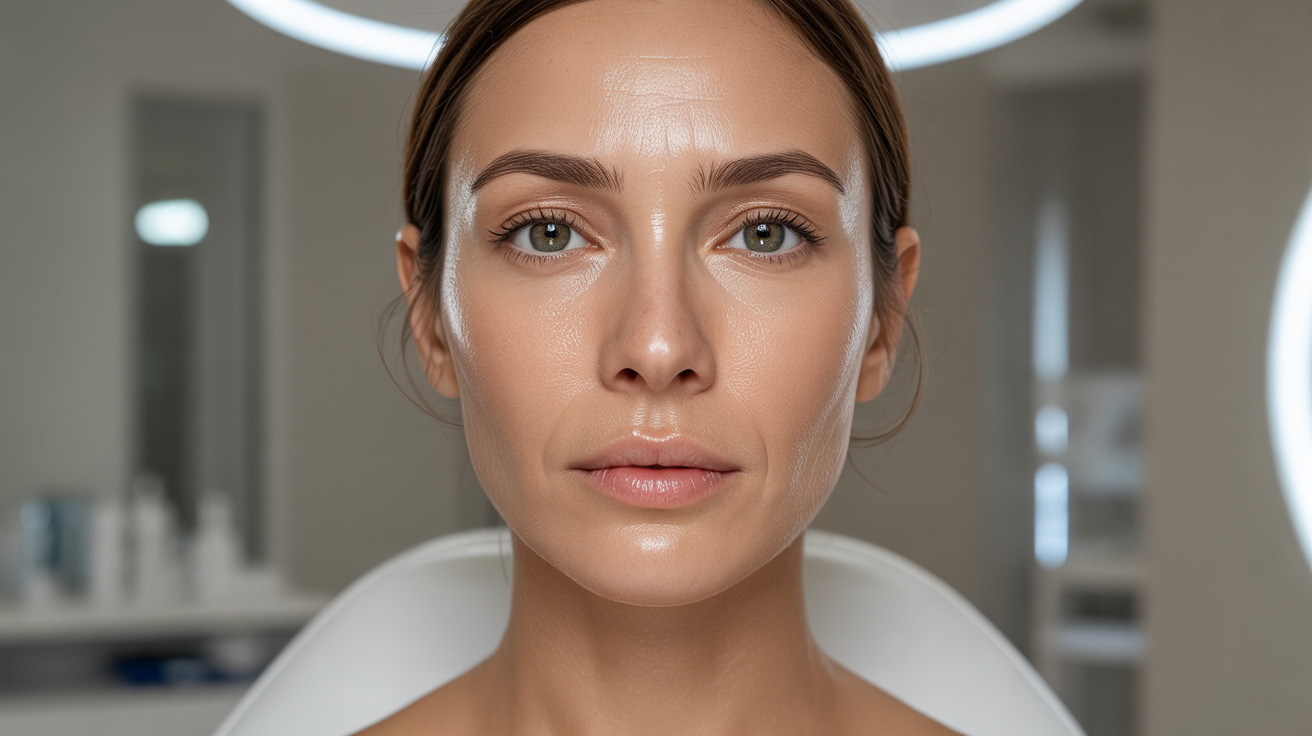
Let me break down what actually happens to your skin during and after a hydrafacial.
- Immediate glow and hydration: Your skin looks plumper and more radiant right away. The hydration serums sink in deep, so your face doesn’t just look moisturized on the surface.
- Clearer pores: The suction tip pulls out blackheads, oil, and gunk that’s been sitting in your pores. This makes your pores look smaller and your skin texture smoother.
- Reduced fine lines: The peptides and antioxidants help plump up your skin. Fine lines around your eyes and mouth soften with regular treatments.
Are Hydrafacials Worth It for Your Skin Type?

This is where things get personal. Whether hydrafacials are worth it depends a lot on what your skin needs.
For Oily and Acne-Prone Skin
Hydrafacials work really well here. The deep cleaning helps prevent breakouts without irritating your skin.
The salicylic acid serum targets oil and bacteria. Just make sure your provider uses the right tip and serum combo for acne.
For Dry and Dehydrated Skin
This is where hydrafacials shine brightest. The hydration boost is significant and lasts.
If your skin drinks up moisturizer and still feels tight, you’ll probably love how your skin feels afterward.
For Sensitive Skin
Here’s where you need to be careful. Hydrafacials are generally gentle, but some people with rosacea or extremely sensitive skin might react.
Talk to the provider first and ask for the gentlest settings.
For Aging Skin
If you’re dealing with fine lines, dullness, and loss of firmness, hydrafacials can help.
The combination of exfoliation and peptide infusion gives aging skin a real boost. Just know it’s not a substitute for more intensive treatments like laser or microneedling.
For Combination Skin
You’re in luck. Hydrafacials can be customized for different zones of your face.
They can target oil in your T-zone while hydrating your cheeks.
Hydrafacial vs Other Facials: Is It Really Better?

I’ve tried different facials, so let me give you my honest comparison.
| Treatment Type | Downtime | Pain Level | Results Duration | Best For |
| Hydrafacial | None | Painless | 5-7 days (glow), 2-4 weeks (clarity) | All skin types, hydration |
| Traditional Facial | Minimal | Can hurt during extractions | 3-5 days | Relaxation, basic cleansing |
| Chemical Peel | 3-7 days | Tingling to burning | 1-2 months | Hyperpigmentation, sun damage |
| Microdermabrasion | None | Slight scratching | 1-2 weeks | Dull skin, mild texture issues |
When people ask are hydrafacials worth it compared to other options, I point them to this chart. Hydrafacials give you professional results without downtime.
How Long Do Hydrafacial Results Last?

Let’s talk about realistic timelines here.
- Immediate results: Your skin looks great right after treatment. This lasts about 5 to 7 days for most people.
- Short-term benefits: The deep cleaning effects last about 2 to 4 weeks. This is why many providers recommend monthly treatments.
- Long-term improvements: If you get hydrafacials regularly, you’ll see cumulative benefits. Your skin tone evens out more, and fine lines continue to soften.
The Cost Breakdown: Is a Hydrafacial Worth the Money?

Money talk. Let’s get into it because this matters when deciding are hydrafacials worth it.
| Cost Factor | Price Range | Details |
| Single Session | $150 – $300 | Basic treatment, varies by location |
| With Add-Ons | $300 – $400 | Includes LED therapy or specialized serums |
| 3-Treatment Package | $400 – $750 | Saves $50-$100 per treatment |
| 6-Treatment Package | $750 – $1,500 | Best value, $125-$250 per session |
| Monthly Maintenance | $150 – $300/month | For optimal results every 4-6 weeks |
For me, the question of whether hydrafacials are worth it financially comes down to this: if you’d spend that money on multiple skincare products anyway, redirecting it to a monthly hydrafacial might actually be smarter.
Pros and Cons of Hydrafacials (The Honest List)

I’m giving you the real deal here. No sugarcoating.
Pros
You’ll see instant results with zero downtime, and the treatment is comfortable and customizable for your specific skin concerns.
The deep cleaning goes beyond what you can achieve with home care.
- Instant results that you can see immediately
- No downtime so you can go right back to your day
- Comfortable treatment that doesn’t hurt
- Customizable serums for your specific concerns
- Deep cleaning that’s more thorough than home care
Cons
The cost adds up quickly if you want ongoing results, and the effects are temporary without regular maintenance.
It won’t fix severe acne or deep wrinkles.
- Cost adds up with regular treatments
- Results are temporary without ongoing sessions
- Not a solution for severe acne or deep wrinkles
- Can be too aggressive for very sensitive skin
- Requires maintenance to keep seeing benefits
What Dermatologists and Skin Experts Say About Hydrafacials

I talked to skincare professionals to get their take on whether hydrafacials are worth it.
Most dermatologists agree that hydrafacials are solid for maintenance and mild concerns.
They appreciate that the treatment is gentle enough for most people but effective enough to show results.
However, they’re quick to point out limitations. Hydrafacials won’t replace medical treatments for serious skin conditions.
If you have severe acne or deep wrinkles, you’ll need stronger interventions like prescription retinoids or laser treatments.
One dermatologist I spoke with put it this way: “Hydrafacials are excellent for what they do, which is deep cleaning and hydrating.
But they’re part of a skincare strategy, not a magic solution.”
Realistic Expectations: What Hydrafacials Won’t Do

Let’s get clear on what hydrafacials can’t fix.
- They won’t eliminate deep wrinkles. Hydrafacials help with fine lines, but deep-set wrinkles need more intensive treatments like Botox or laser resurfacing.
- They won’t cure severe acne. While hydrafacials help with mild breakouts, serious acne requires dermatological treatment and prescription medications.
- They won’t permanently shrink pores. Your pores will look smaller temporarily because they’re clean, but genetics determine your actual pore size.
- They won’t replace your skincare routine. Getting a hydrafacial doesn’t mean you can skip washing your face or using sunscreen.
Conclusion
So, are hydrafacials worth it? After trying one myself and digging into everything, here’s my final take.
If you want immediate results, have the budget for regular treatments, and need help with clogged pores or dehydration, then yes.
I walked out with noticeably better skin that lasted weeks. But if you’re expecting a permanent fix or have severe skin issues, you’ll probably be disappointed.
Think of hydrafacials as a smart investment in skin maintenance, not a one-time solution. Try one and see how your skin responds.
Book a consultation with a qualified provider, ask about customization for your skin type, and go from there. Your face will thank you.
Frequently Asked Questions
How often should I get a hydrafacial?
Most people benefit from hydrafacials every 4 to 6 weeks. Monthly treatments maintain optimal results, but you can space them out to every two months once your skin improves.
Can I wear makeup after a hydrafacial?
Yes, but wait a few hours if possible. Your skin is clean and absorbing products well, so give it time to breathe. Many people skip makeup that day because their skin looks so good.
Is hydrafacial painful?
Not at all. Most people find it relaxing and comfortable. You might feel slight suction during extraction, but it shouldn’t hurt. If it does, tell your provider immediately.
Can I get a hydrafacial if I have active acne?
Usually yes, but inform your provider first. They can adjust the treatment to avoid aggravating breakouts. Hydrafacials often help acne by deep-cleaning pores and reducing oil buildup.
Are there any side effects?
Side effects are rare and mild. Some people experience slight redness that fades within hours. Very sensitive skin might feel tight temporarily. Serious reactions are uncommon with trained providers.