How to Shrink Pores: Expert Dermatologist Tips

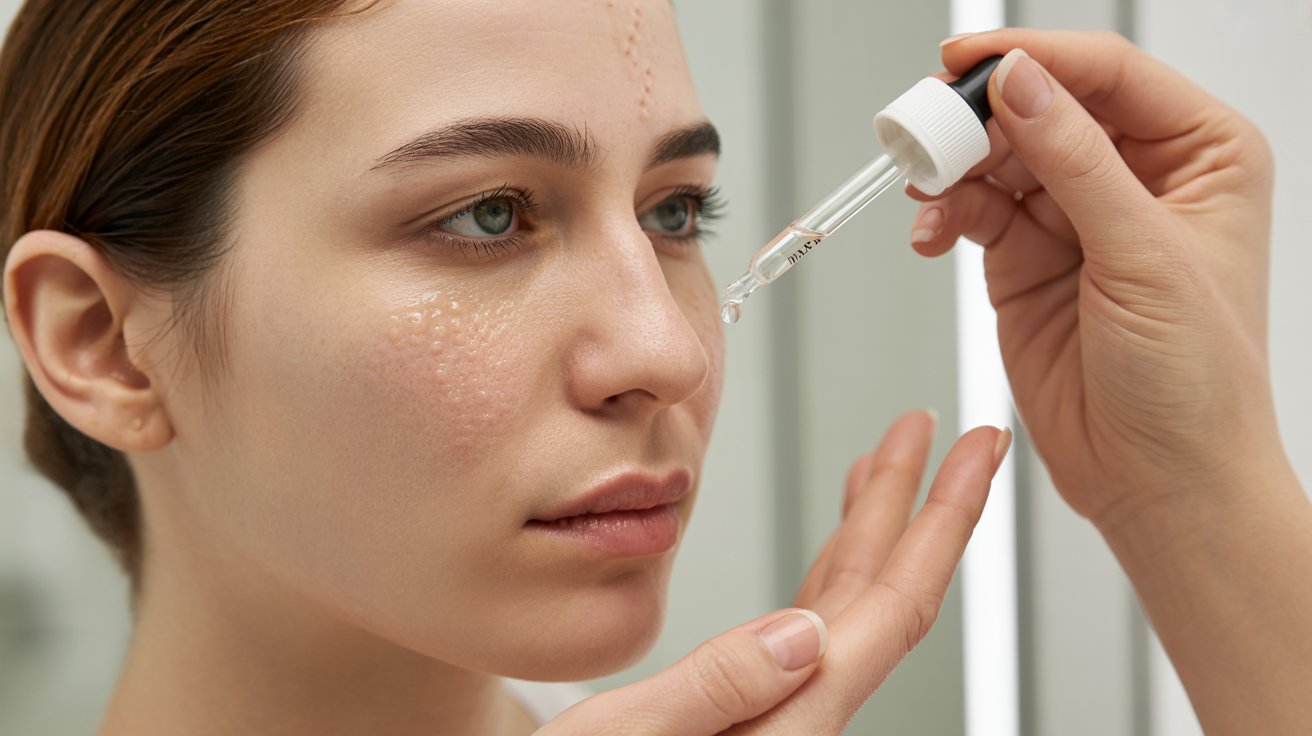
Large pores are one of the most common skin concerns I hear about. And honestly, I get it. They can make your skin look uneven, oily, or just “off.”
Here’s the truth: you can’t permanently shrink pores. But you can make them look much smaller.
In this article, I’ll walk you through what actually works, backed by dermatologist advice and real science.
From daily skincare habits to professional treatments, you’ll find clear, practical steps you can start using right away.
What Determines Pore Size
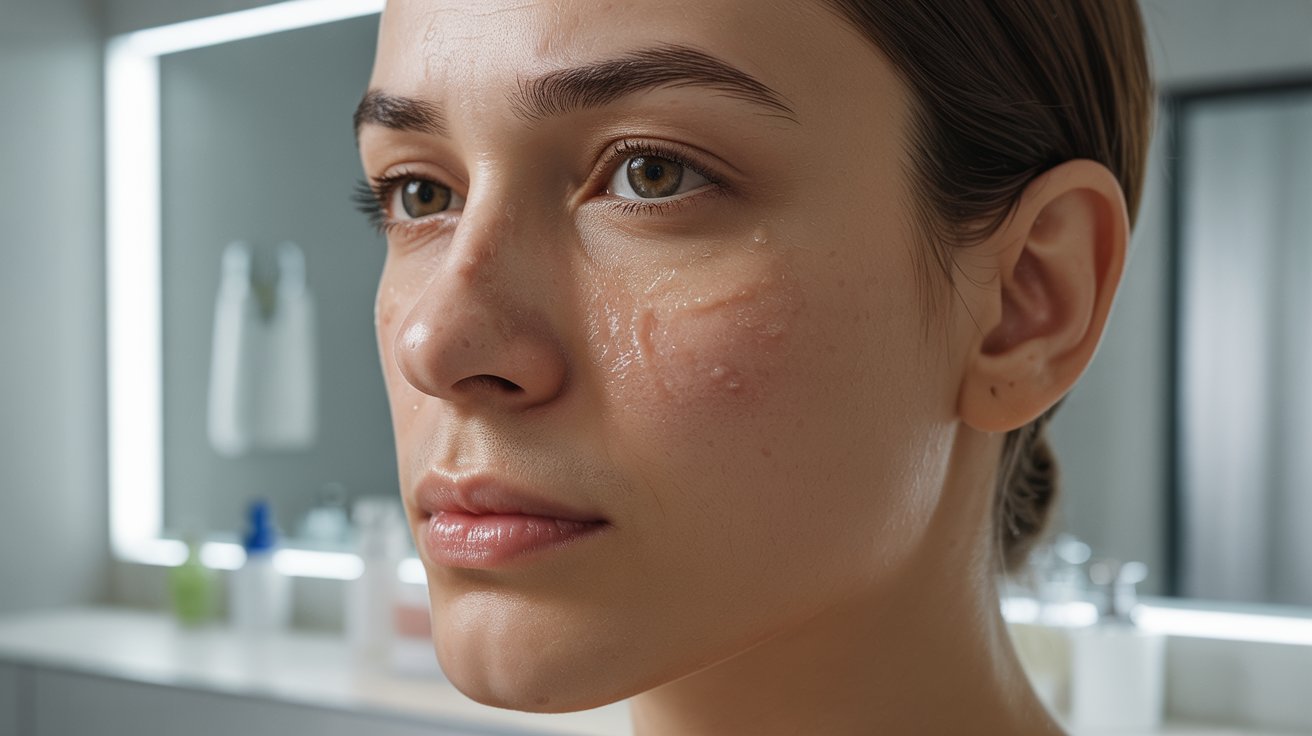
Your pore size isn’t random. Several factors control how visible they are.
Genetics play the biggest role. If your parents have large pores, chances are you do too. Oily skin stretches pores over time since more sebum means more visible openings.
Dry skin isn’t immune either. Without proper hydration, skin texture can make pores stand out.
Collagen and elastin loss comes with age. As skin loses firmness, pores appear wider. Sun exposure, pollution, and hormonal shifts all break down skin structure and increase pore visibility over time.
Why Pores Look Bigger
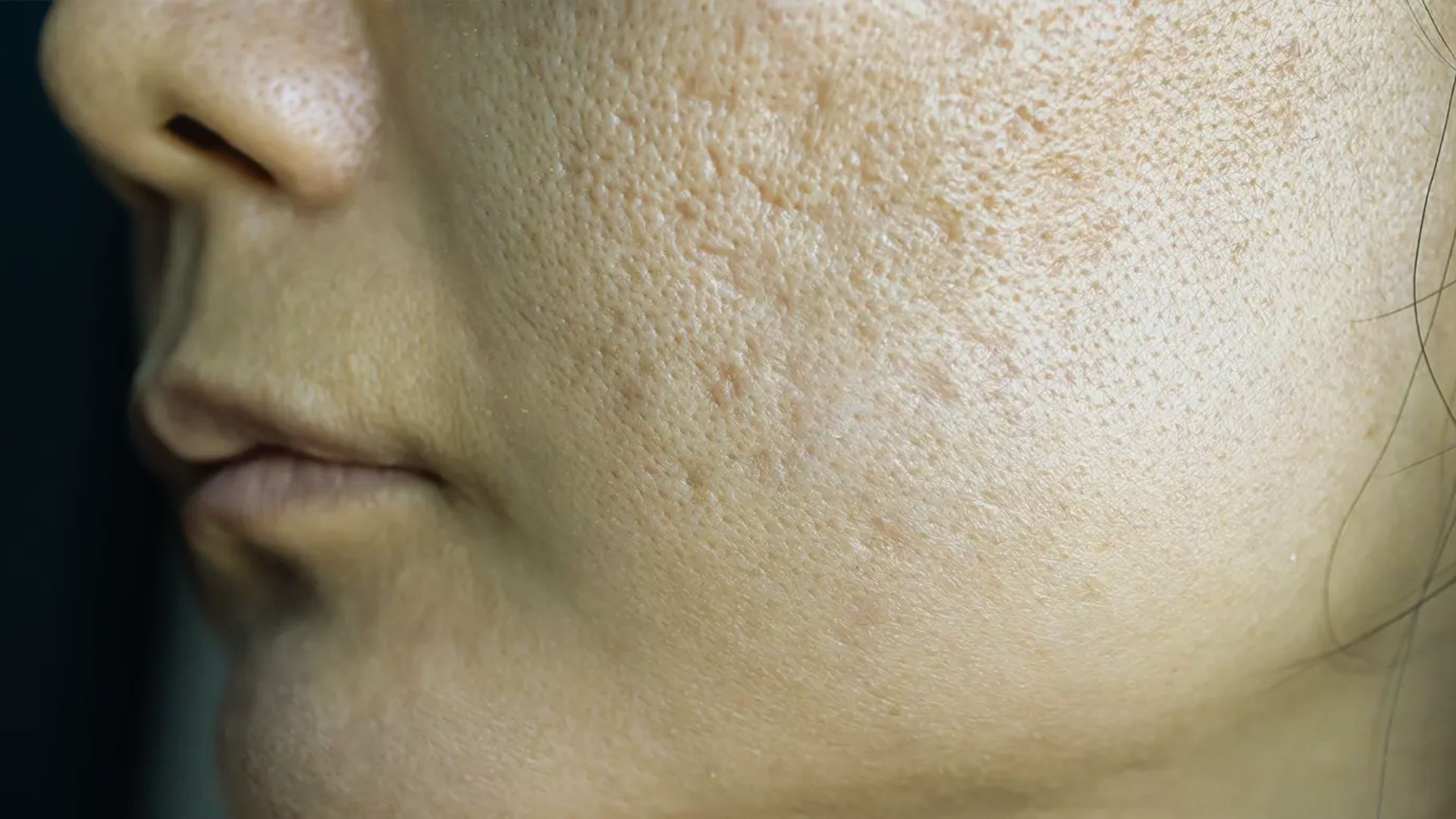
Sometimes it’s not about pore size itself. It’s about what’s inside them and around them.
Excess sebum fills pores and stretches them out. Dead skin cells and debris block them, making them look darker and larger.
Over time, aging and sun damage weaken the skin around each pore, which makes the opening look wider.
Areas like the nose, cheeks, and forehead tend to have more oil glands. That’s why pores in these spots are almost always more noticeable than elsewhere.
Dermatologist Insights: Expert Tips
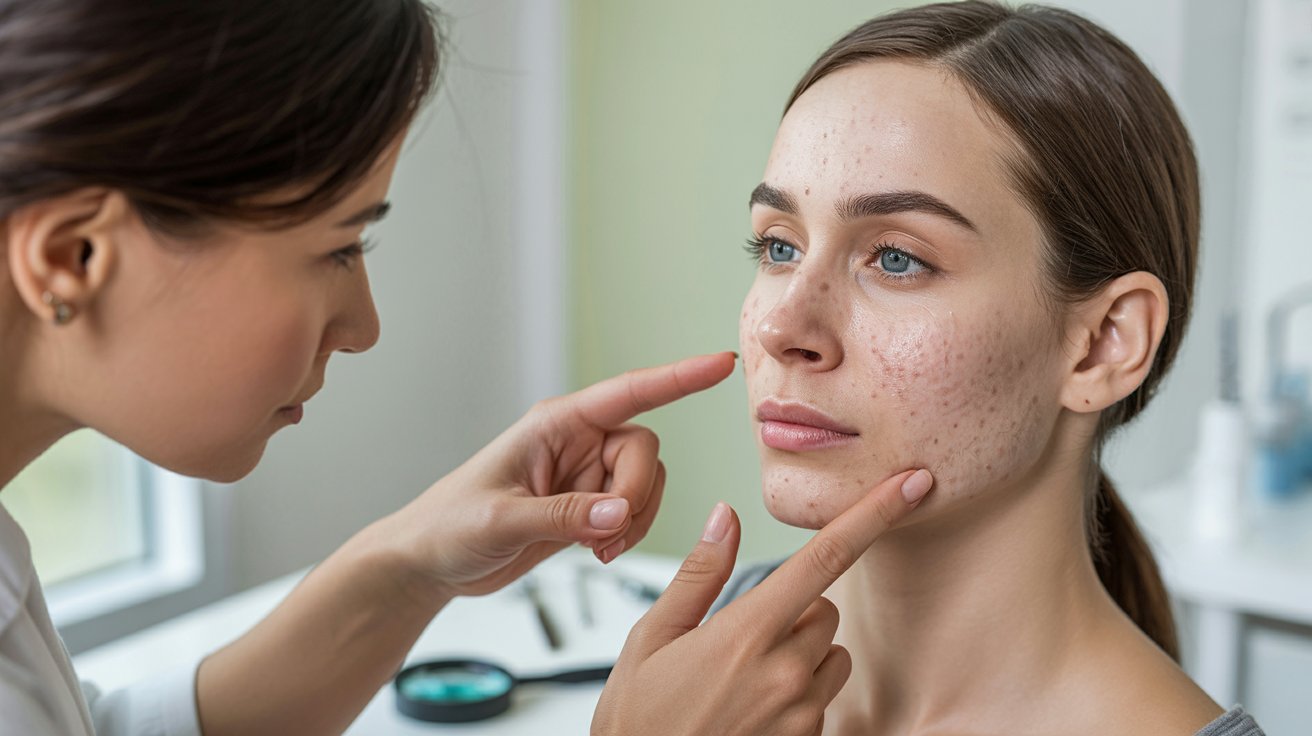
Seeing a dermatologist isn’t just for serious skin conditions. It makes a real difference for pores too.
Why Professional Advice Matters
A dermatologist doesn’t just look at your pores. They assess your skin type, oil production, and elasticity.
A personalized evaluation means any treatment you try is both safe and right for your skin. No guessing, no wasted money on products that won’t work for you.
Combining Treatments for Maximum Effect
Using more than one treatment can get better results than sticking to just one.
Retinoids, microneedling, and laser resurfacing can be used together strategically. A dermatologist helps you time these correctly so your skin doesn’t get overwhelmed or irritated.
Personalized Skincare Routines
Not every routine works for every skin type.
Someone with oily skin needs different products and frequencies than someone with dry or combination skin. A dermatologist helps you figure out how often to exfoliate, when to use retinoids, and how much hydration your skin actually needs.
Maintaining Results Post-Treatment
Getting a treatment done is only half the work.
After procedures like microneedling or laser resurfacing, consistent cleansing, moisturizing, and SPF use are non-negotiable. Skipping these steps can undo your results faster than you’d expect.
Effective Skincare for Minimizing Pores
The right daily routine makes a bigger difference than any one-time fix.
Cleansing and Daily Routine
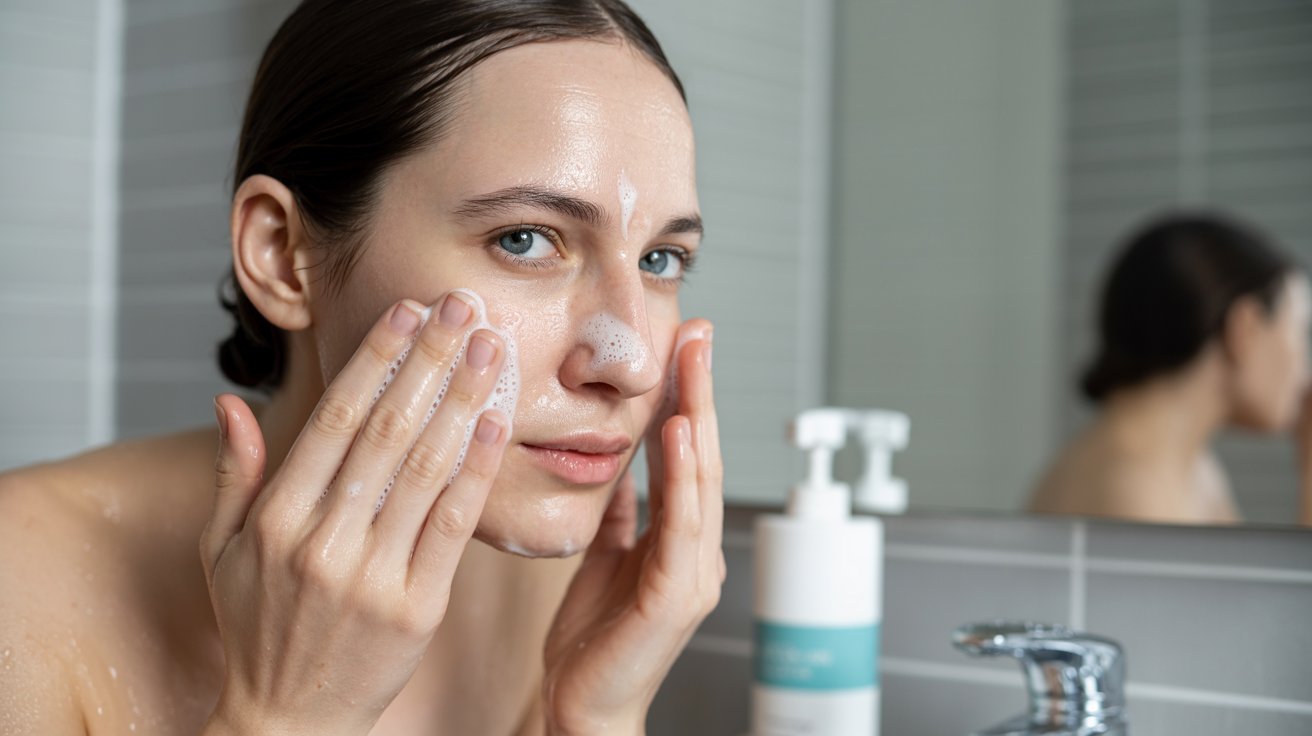
Washing your face the right way is the foundation of every good pore-care routine.
Use a gentle, oil-free cleanser and wash your face twice a day, morning and night. Avoid harsh soaps that strip your skin’s natural moisture.
Keeping this simple and consistent is what actually moves the needle over time.
Exfoliation

Removing dead skin cells keeps pores from getting clogged and looking enlarged.
AHAs like glycolic acid and lactic acid work on the skin’s surface. BHAs like salicylic acid go deeper into pores to clear them out.
Retinoids speed up cell turnover and keep pores clearer over time. For a natural option, a simple oat or sugar scrub a few times a week can help too.
Hydration and Moisturizers
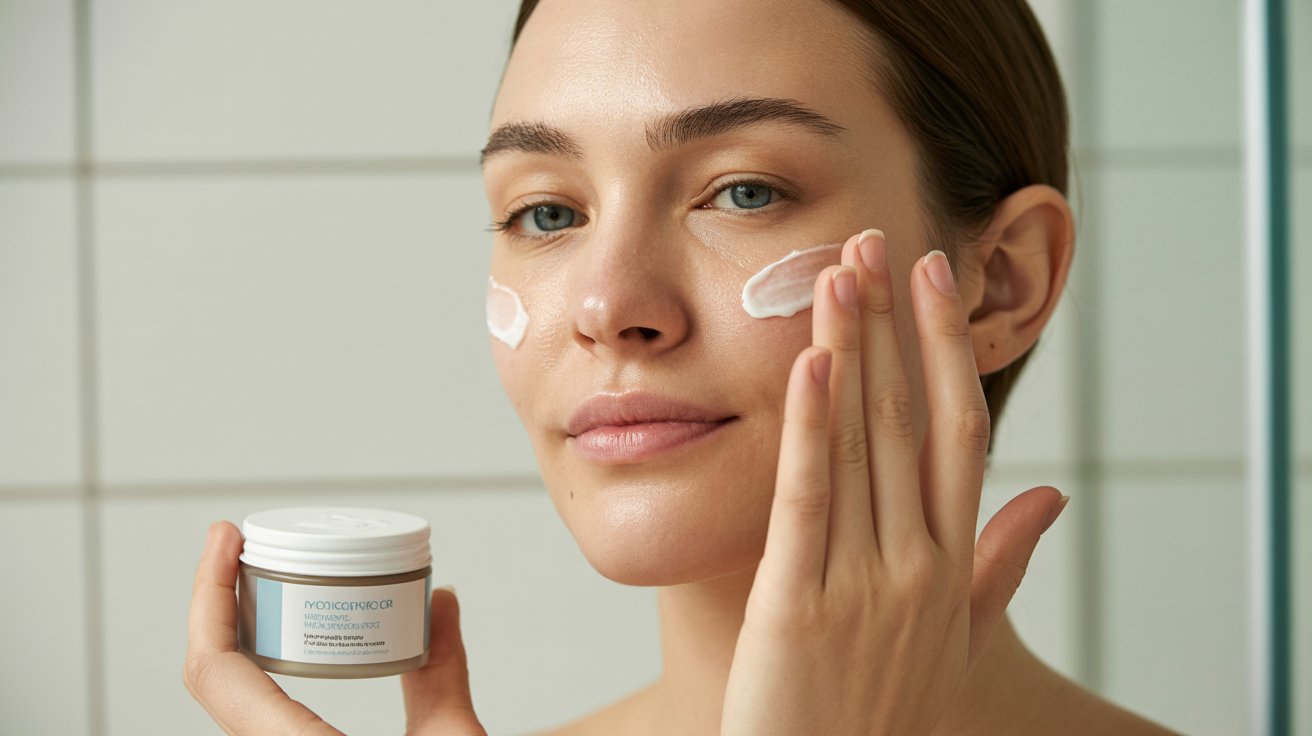
Skipping moisturizer because your skin is oily is one of the most common mistakes.
Dehydrated skin overproduces oil to compensate, which makes pores worse. Stick to gel-based or oil-free moisturizers if your skin is oily.
They hydrate without adding extra shine.
Sun Protection

SPF isn’t just about preventing sunburn. It directly affects your pores.
UV rays break down collagen, which makes pores appear larger over time. Use SPF 30 or higher every single day, even when it’s cloudy.
Targeted Ingredients
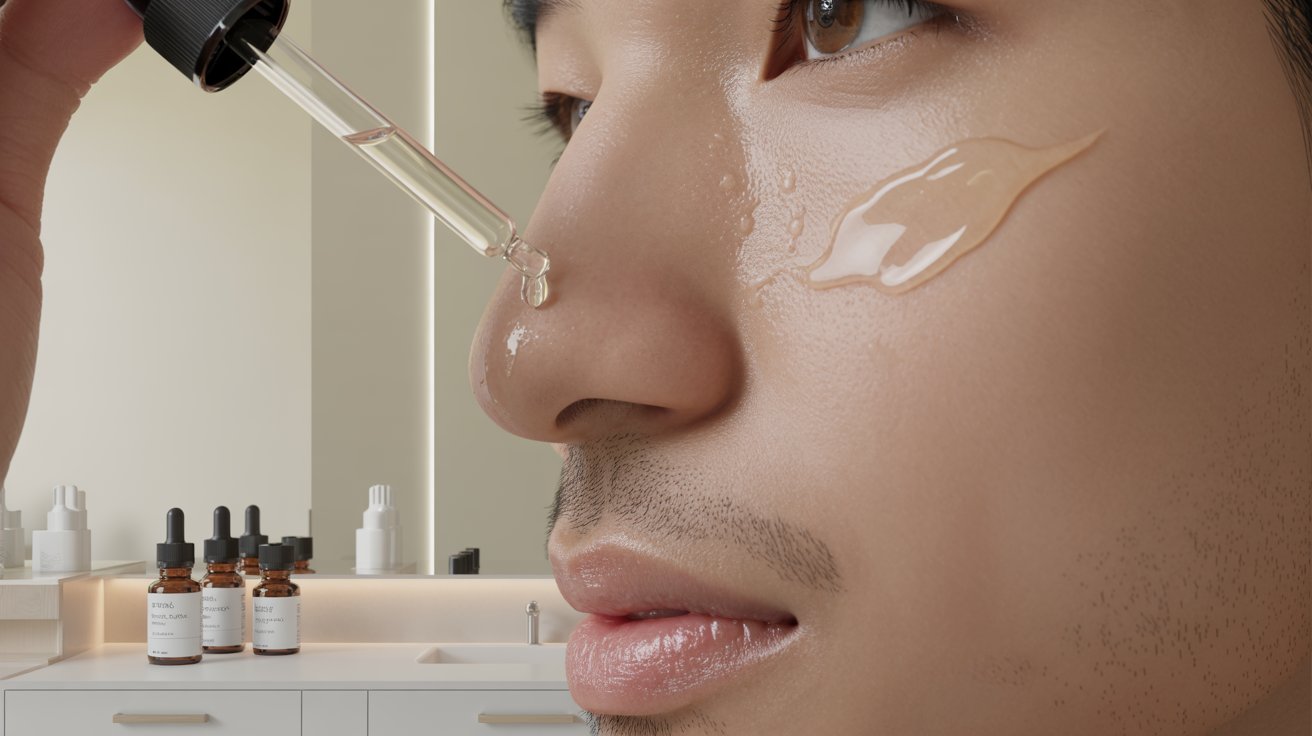
Certain ingredients are proven to reduce oil and improve skin texture.
Niacinamide controls oil production and smooths out skin texture. Green tea extract has antioxidant and anti-inflammatory properties. Perlite and silica absorb excess oil and create a more even surface on the skin.
At-Home Treatments
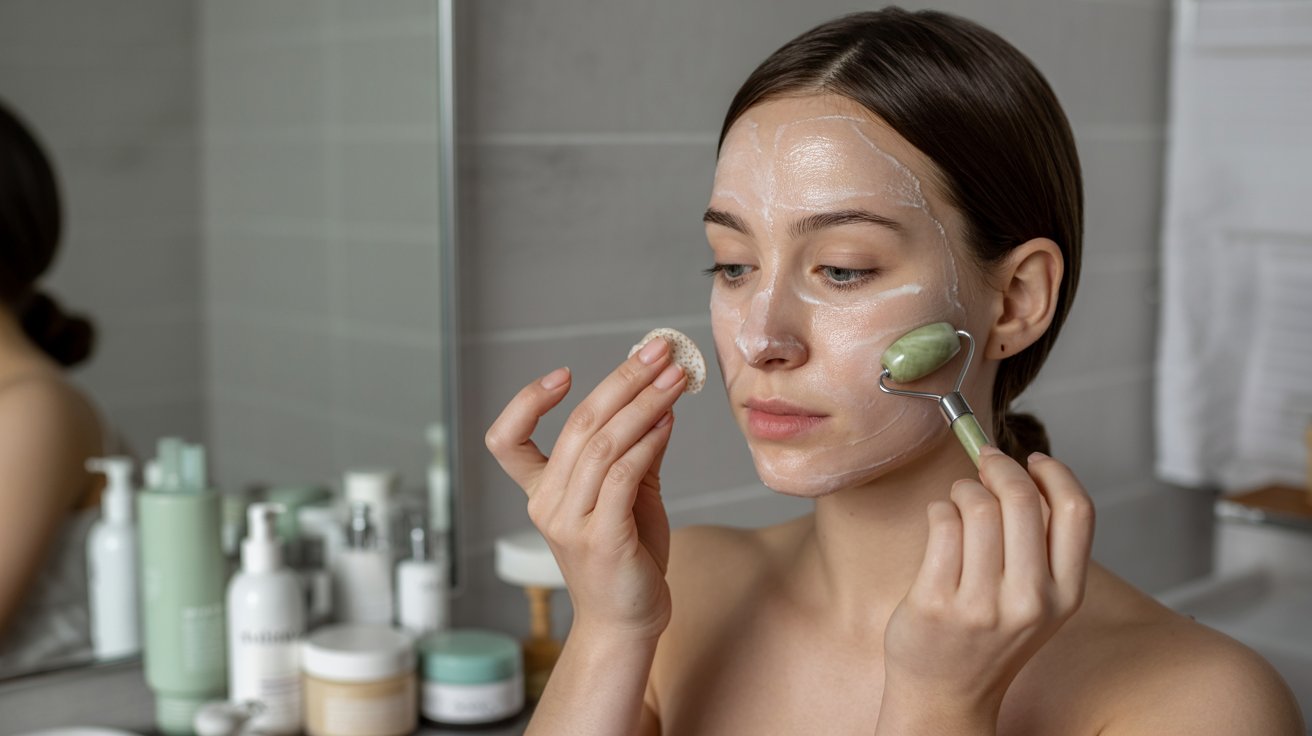
You don’t always need a clinic visit to see results.
Clay Masks and Pore Strips
These are some of the fastest ways to make pores look smaller, even if temporarily.
Clay masks absorb excess oil and pull out debris from pores. Pore strips physically remove the top layer of clogs. Neither is a long-term fix, but both give a visible improvement right after use.
Natural Remedies
Simple at-home methods can support your regular skincare routine.
Rubbing an ice cube on your face for a minute tightens the skin and temporarily reduces pore appearance.
A chilled jade roller or face roller has a similar effect. A gentle exfoliating mask made from oats, honey, or yogurt can clear pores without irritating skin.
Professional Treatments
When skincare products aren’t enough, professional options deliver stronger results.
Microneedling
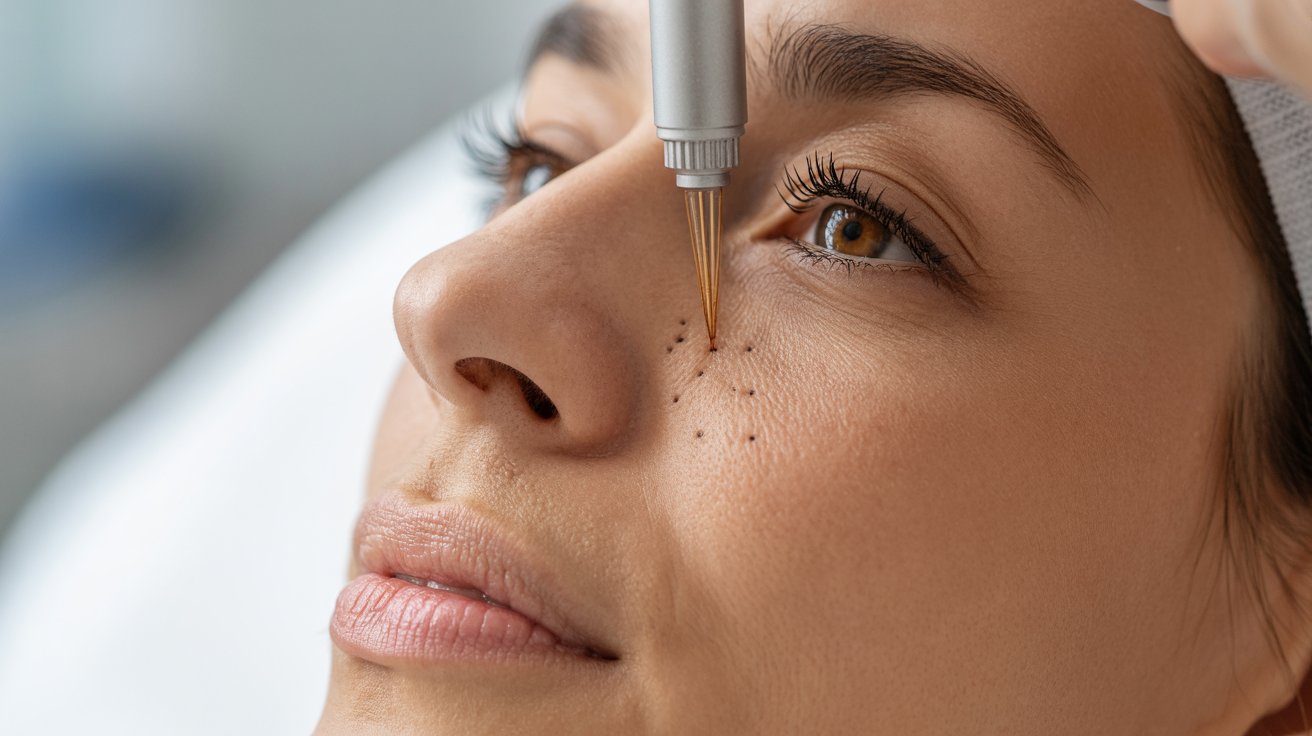
Tiny needles create controlled micro-injuries that trigger collagen production.
This is one of the most effective treatments for minimizing pores, especially on the cheeks and face. Results build over multiple sessions and continue improving for months afterward.
Laser Resurfacing
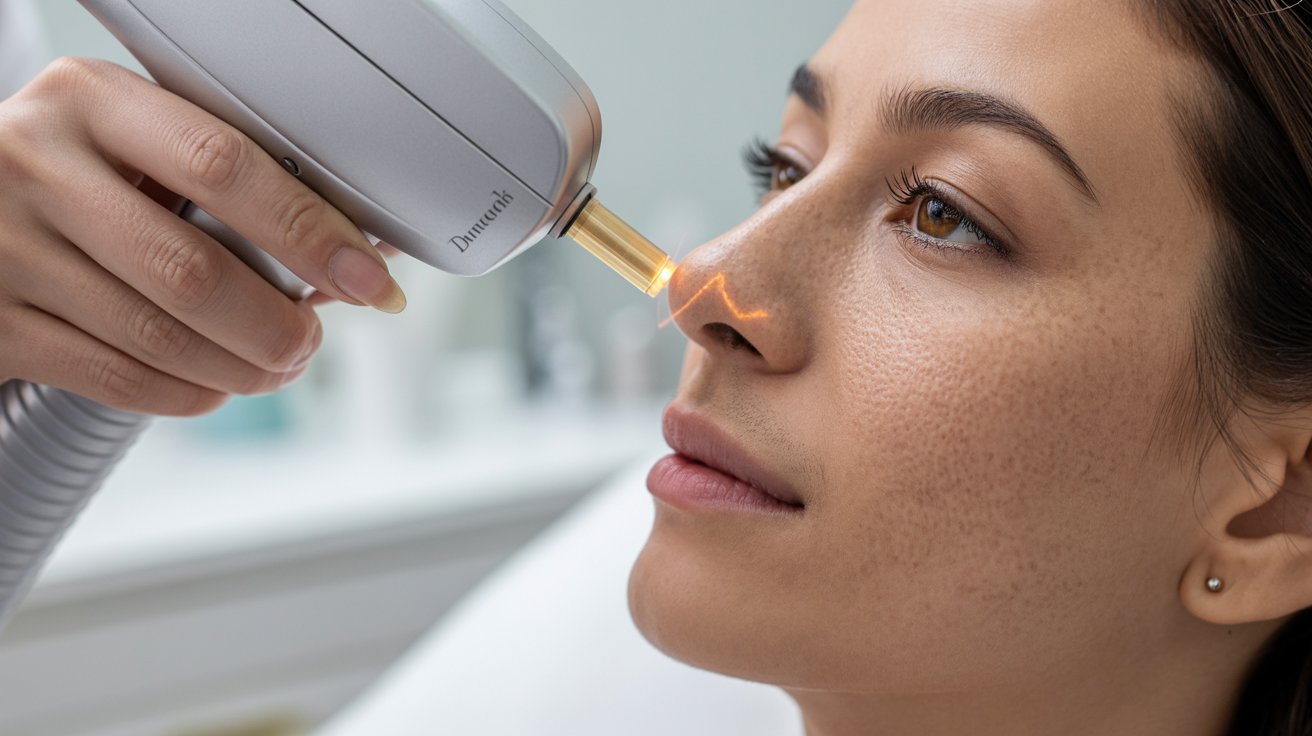
Lasers rebuild collagen and resurface the skin from within.
This is one of the few treatments that can produce long-term improvements in pore appearance. It’s not a permanent fix, but with proper maintenance, results can last for years.
Botox / Micro-Botox
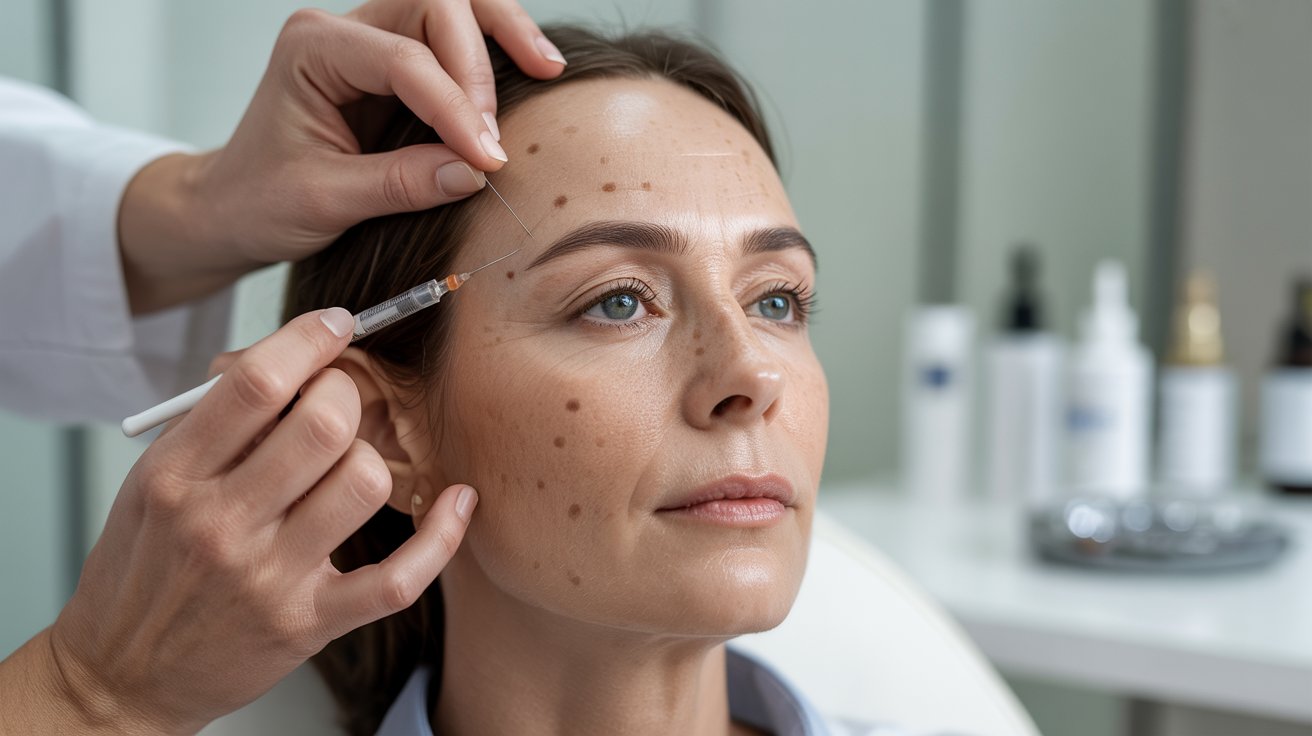
When injected superficially into the skin, Botox can reduce oil production and refine texture.
This is sometimes called “micro-Botox” or “mesobotox.” It’s a newer approach but has shown real results for oily skin and enlarged pores.
Prescription Medications
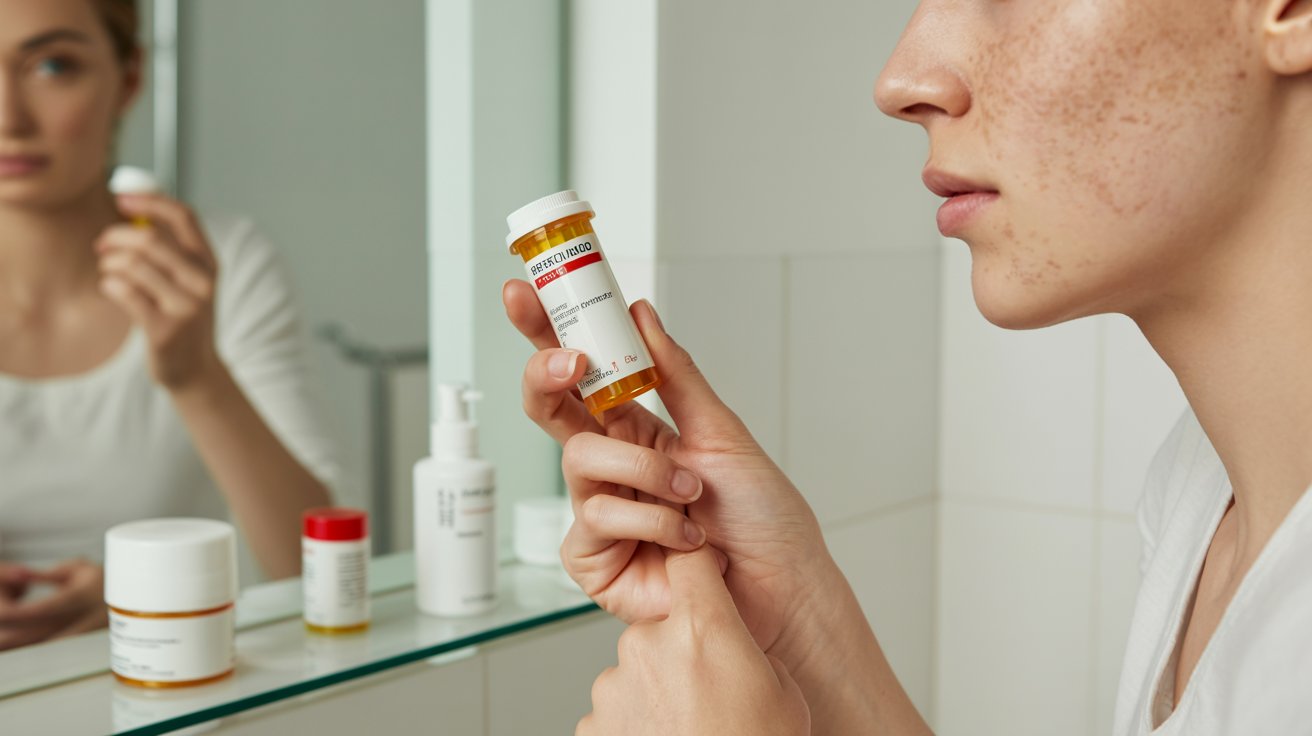
Sometimes topical treatments alone aren’t enough.
Tretinoin is one of the most prescribed topical retinoids for pore appearance and skin texture. Oral isotretinoin is reserved for severe cases and significantly reduces oil production across the skin.
Aftercare Tips to Shrink Pores
How you care for your skin after treatment is just as important as the treatment itself.
- Avoid over-extracting pores or using harsh tools at home
- Stick to a consistent daily routine even when your skin looks clear
- After professional treatments, avoid direct sun exposure and use SPF daily
- Use gentle, fragrance-free products for at least a few weeks post-procedure
- Don’t introduce multiple new products at once after a treatment
Conclusion
I know how frustrating it can be to stare at your pores and wish they’d just disappear. I’ve been there too.
But here’s what I’ve learned: accepting that pores can’t vanish permanently actually makes it easier to focus on what does work.
A consistent routine, the right ingredients, and occasional professional support can genuinely change how your skin looks and feels.
Start small, stay consistent, and give your skin time. If you found this helpful, drop a comment or share it with someone dealing with the same thing.
Frequently Asked Questions
Can pores shrink overnight?
Pores can’t shrink overnight, but using a clay mask or chilled roller before bed can temporarily reduce their appearance by the morning.
Do pore strips work long-term?
Pore strips give quick results but don’t offer long-term benefits since they only remove surface-level debris without addressing oil production.
How do I minimize pores after blackhead removal?
After removing blackheads, apply a BHA toner and niacinamide serum to keep pores clear and reduce the chance of them refilling quickly.
Are natural methods effective for reducing pore appearance?
Natural remedies like ice cubes and gentle exfoliating masks can help to some extent, but they work best when combined with a proper skincare routine.
Can pores on body areas like the chest be minimized?
Yes, the same principles apply. Regular exfoliation, oil-free moisturizers, and SPF can help reduce pore visibility on body areas too.