Do People With Alopecia Have Eyelashes?

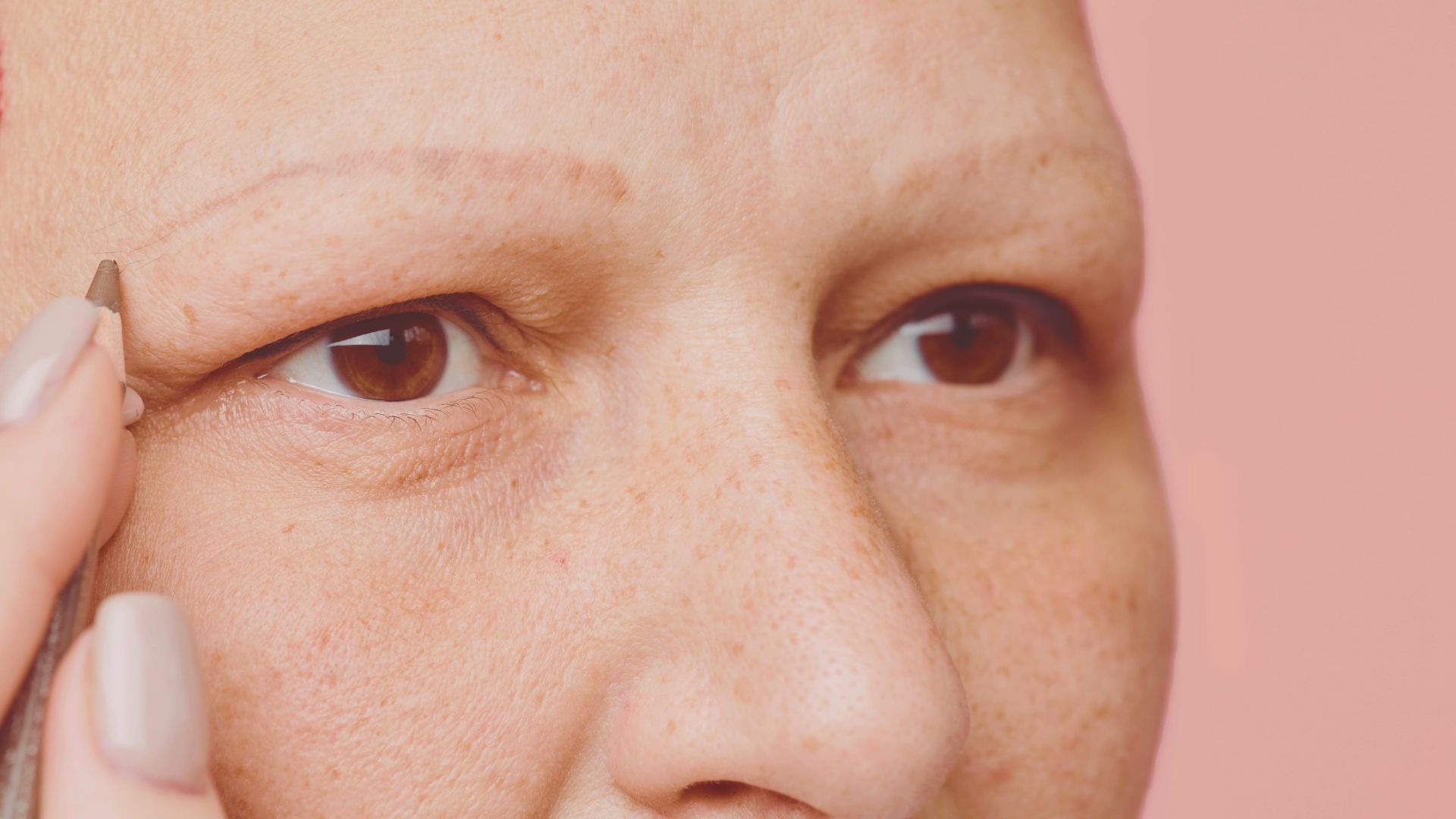
Are your eyelashes falling out and you’re worried it might be alopecia? I understand how scary that can feel.
Alopecia is an autoimmune condition where your body attacks its own hair follicles, causing hair loss. And yes, it can affect your eyelashes.
But here’s the thing: not everyone with alopecia loses their lashes. Your experience depends on the type of alopecia you have and how your body responds.
Some people keep their lashes, others see thinning, and some lose them completely.
Let’s break down what you need to know about alopecia and eyelash loss.
What Is Alopecia and How Does It Affect Hair Growth?

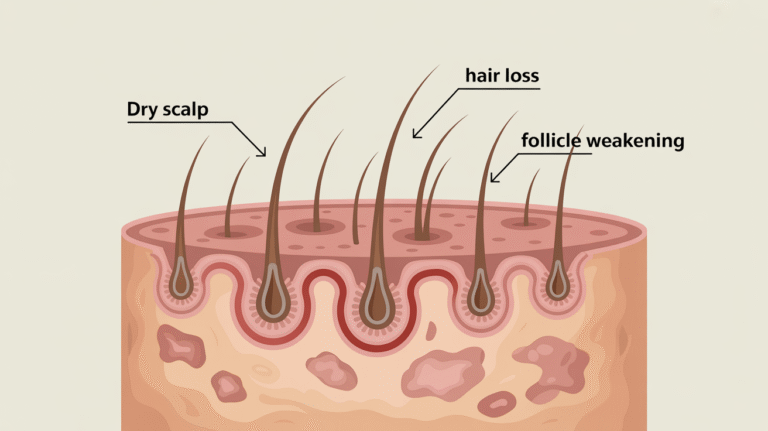
Alopecia happens when your immune system attacks your hair follicles by mistake. Your body’s defense system gets confused and targets your own hair cells instead of germs.
This weakens the follicles and stops hair growth. Hair falls out in patches or all over, depending on the type you have.
Understanding Alopecia Areata
Alopecia areata is the most common form. It’s an autoimmune disorder where your body fights itself.
Your immune system treats hair follicles as threats. White blood cells attack them, causing inflammation.
This disrupts hair growth and forces hairs into a resting phase. Eventually, they fall out.
Scientists aren’t sure why this happens. Genetics and stress might trigger it. The good news? Your follicles usually aren’t permanently damaged.
Types of Alopecia That May Affect Eyelashes
- Alopecia Areata: This causes patchy hair loss in round spots on your scalp, beard, or eyebrows. Eyelashes can be affected but it’s less common. Some lose a few lashes, others lose them all.
- Alopecia Totalis: You lose all hair on your scalp. Your eyebrows and eyelashes might fall out too, but not always. Some people keep facial hair even with a bare scalp.
- Alopecia Universalis: The most extensive type. You lose hair everywhere on your body, including eyelashes. If you have this, eyelash loss is very likely.
Do People With Alopecia Have Eyelashes?
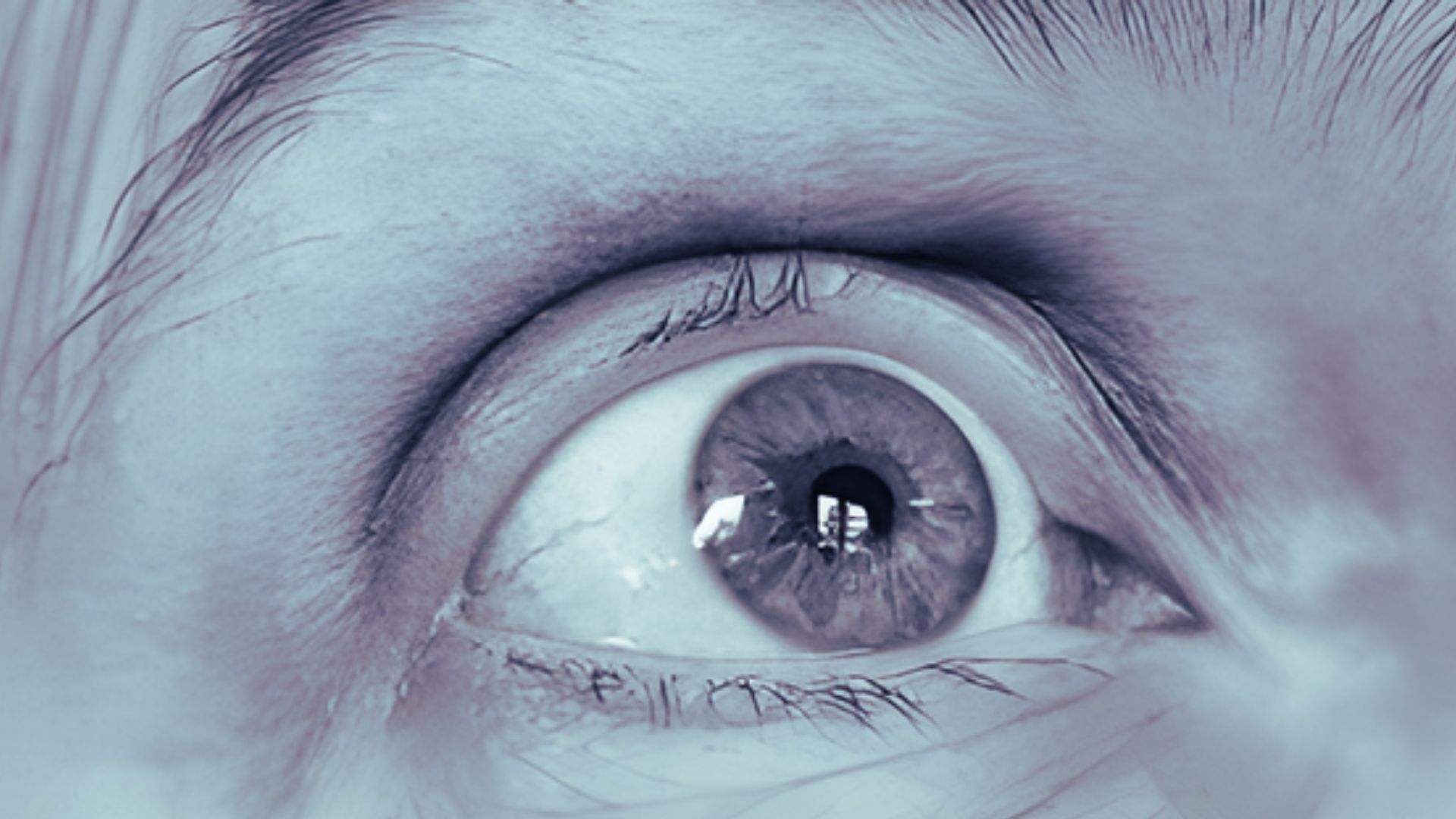
It depends. Some people with alopecia keep their eyelashes, while others lose them partially or completely. It varies based on the type of alopecia and how your body responds.
Can Alopecia Cause Eyelash Loss?
Yes, alopecia can cause eyelash loss. The medical term for this is madarosis. The autoimmune response that attacks scalp hair also targets follicles in your eyelids.
Eyelashes are commonly affected because they’re the same type of hair. Your immune system doesn’t distinguish between scalp and eyelash hair.
The follicles become inflamed and stop producing lashes.
Eyelash loss happens more in severe forms. With alopecia areata patches, your lashes might stay intact. But with alopecia totalis or universalis, losing lashes is much more likely.
Is Eyelash Loss Permanent With Alopecia?
Eyelash loss isn’t always permanent. Many people see regrowth, sometimes without treatment.
- Temporary Loss: In milder cases, lashes might grow back after a few months. Once inflammation calms down, follicles can wake up and produce hair again.
- Long-Term Loss: For some, eyelash loss lasts longer or becomes permanent. This is more common with severe types. If the immune attack continues for years, follicles can become damaged.
Factors That Influence Regrowth
- Age matters. Younger people have better regrowth rates.
- Duration plays a role. Longer-lasting alopecia makes regrowth less likely.
- Severity makes a difference. Mild cases respond better.
- Treatment can help. Some medications encourage regrowth, though results vary.
Why Does Alopecia Cause Eyelash Loss?

Alopecia causes eyelash loss because your immune system attacks all hair follicles, including those on your eyelids. White blood cells surround these tiny follicles and trigger inflammation.
This swelling disrupts the normal growth cycle of your lashes. Instead of growing for months like they should, the follicles shut down early and push the lashes out.
The severity of your condition matters too. People with mild scalp hair loss usually keep their lashes.
But if you’re losing a lot of scalp hair, there’s a much higher chance your eyelashes will fall out too.
Can Eyelashes Grow Back After Alopecia?
Yes, eyelashes can grow back after alopecia. Many people with alopecia areata see spontaneous regrowth without any treatment.
Your follicles might just start working again on their own. However, regrowth takes time. Most people wait 3 to 6 months before seeing new lashes, though some wait even longer.
Patience is key here because your follicles need time to heal and restart their growth cycle. The timeline varies for everyone, so don’t get discouraged if results take a while to show up.
Medical Treatments for Eyelash Loss From Alopecia
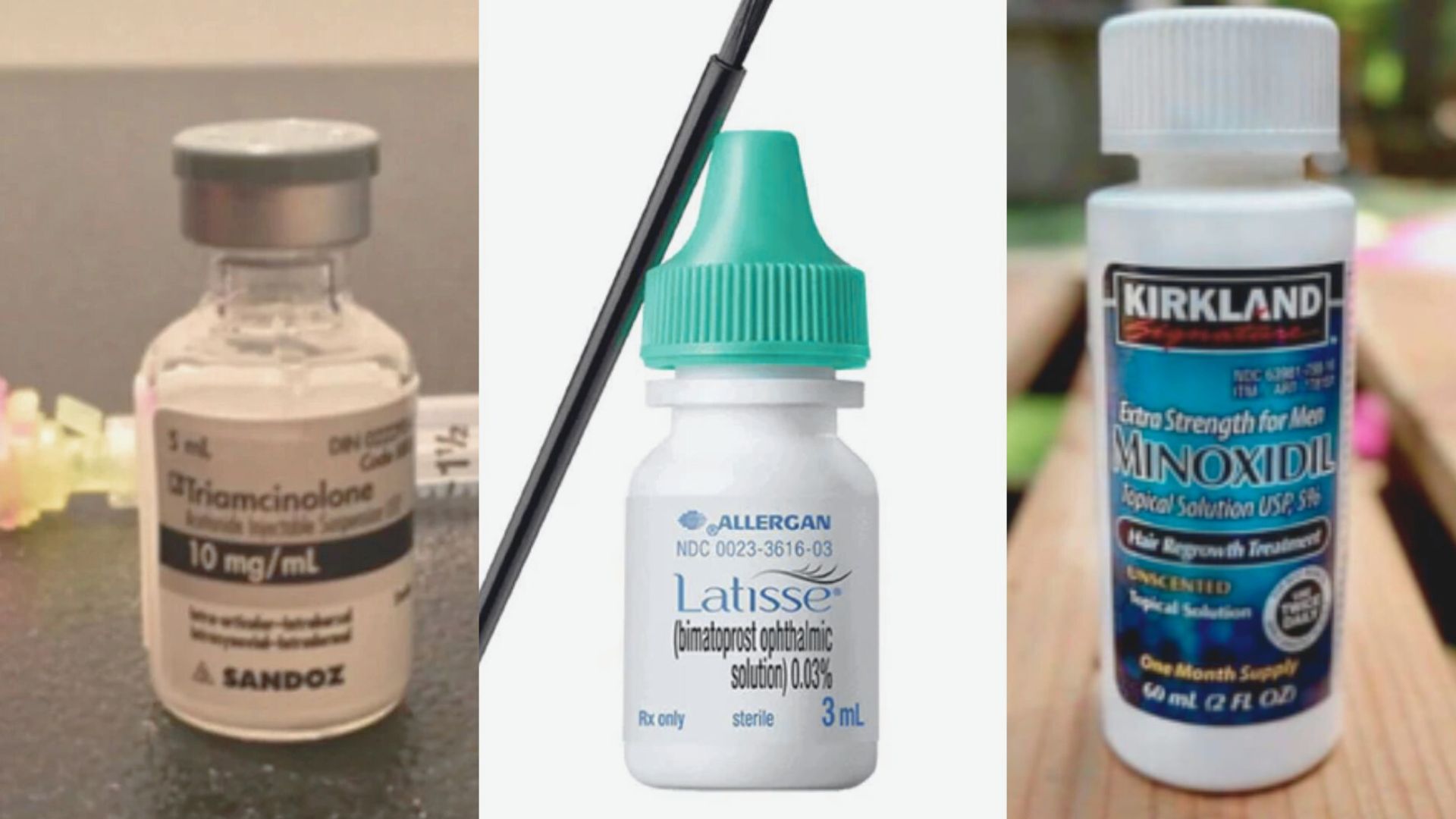
Several medical treatments can help regrow eyelashes affected by alopecia.
Your doctor might recommend different options based on your condition’s severity and how your body responds to treatment.
Topical and Injectable Corticosteroids
Corticosteroids calm down your immune system’s overactive response. Topical versions come as creams you apply to your eyelids, reducing inflammation around follicles.
Injectable corticosteroids are stronger and delivered directly into affected areas. Both help quiet the immune attack on your follicles.
Results vary, and it may take several months to see new lash growth.
Bimatoprost (Latisse®) for Eyelash Growth
Bimatoprost, sold as Latisse, is FDA-approved for growing longer, thicker eyelashes.
It extends the growth phase of your eyelash cycle, keeping lashes in the active growing stage longer.
You apply it once daily along your upper lash line. Results typically show after 8 to 12 weeks. It works best for mild to moderate lash loss.
Minoxidil and Other Therapies
Minoxidil stimulates blood flow to follicles and may encourage growth when used off-label for eyelashes. Be careful applying it near your eyes to avoid irritation.
Other options include immunotherapy treatments, JAK inhibitors, and platelet-rich plasma injections.
Your dermatologist might consider these when standard treatments haven’t worked for your specific situation.
Protecting Your Eyes Without Eyelashes

Losing your eyelashes means losing an important layer of protection. Learning how to safeguard your eyes becomes important for comfort and health.
Why Eyelashes Matter for Eye Health
Eyelashes are your eyes’ first line of defense. They block dust, dirt, and debris from getting into your eyes. They also trigger your blink reflex when something comes too close.
Without eyelashes, your eyes become more exposed. You might notice more irritation, dryness, or foreign objects in your eyes. This can increase your risk of infections.
Practical Eye Protection Tips
Here are simple ways to protect your eyes without lashes:
- Wear glasses daily. Clear lenses block dust and debris.
- Choose wraparound sunglasses for better coverage against UV rays and wind.
- Use artificial tears throughout the day to keep eyes moist.
- Avoid dusty or windy places when possible.
- Keep hands clean and avoid touching your eyes.
- Clean your eyelids gently each day with mild cleanser or warm water.
Final Thoughts
Losing your eyelashes to alopecia can feel overwhelming, but you’re not facing this alone. Many people deal with this condition and find ways to manage it successfully.
The key is getting proper medical guidance early. Talk to a dermatologist about treatment options that might work for you. Remember, your worth isn’t defined by your appearance.
While treatments can help, building confidence comes from within. Take care of your eye health, explore your options, and be patient with yourself.
Have questions about alopecia and eyelash loss? Drop them in the comments below.
Frequently Asked Questions
Can alopecia affect only your eyelashes and not your scalp?
Yes, it’s possible but rare. Some people experience isolated eyelash loss without any scalp hair loss, though alopecia typically affects multiple areas.
Do eyelashes grow back slower than scalp hair with alopecia?
Eyelash regrowth can take just as long or longer than scalp hair. The timeline varies by person, but most see results within 3 to 6 months if regrowth occurs.
Can stress make eyelash loss from alopecia worse?
Stress can trigger or worsen alopecia symptoms, including eyelash loss. Managing stress through relaxation techniques may help, though it won’t cure the condition.
Are there any home remedies that help regrow eyelashes with alopecia?
Home remedies like castor oil are popular but lack strong scientific evidence for alopecia. Medical treatments prescribed by a doctor are more reliable for encouraging regrowth.
Will my eyelashes grow back thinner after alopecia?
Sometimes yes. Regrown eyelashes may be finer, shorter, or a different texture than before. However, some people see their lashes return to their original state.