Sodium Hyaluronate vs Hyaluronic Acid: Key Differences

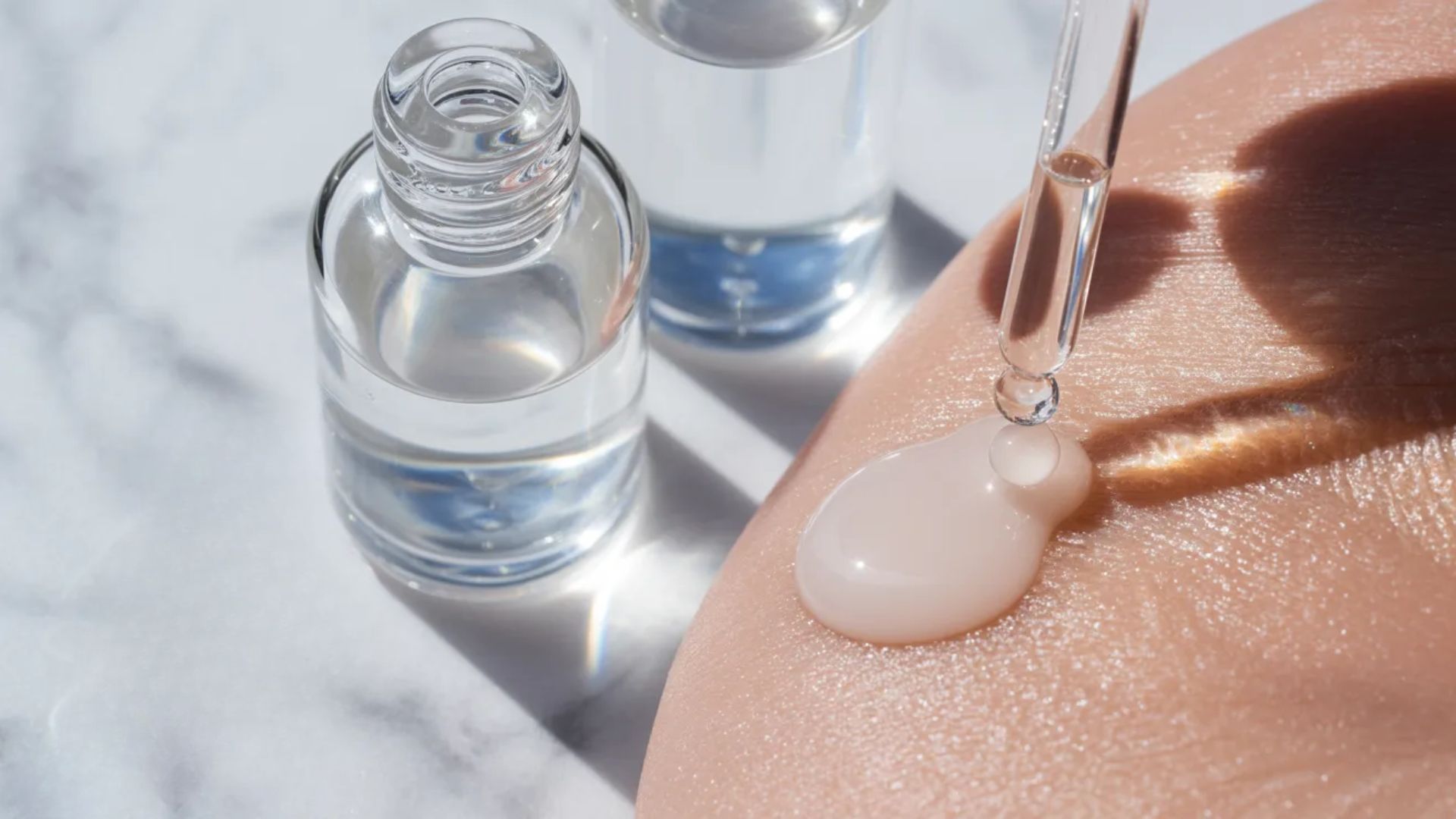
Confused about sodium hyaluronate and hyaluronic acid? You are not alone.
I used to stare at ingredient labels thinking they were the same thing. They are not. And that difference matters more than most people realize.
In this blog, you will learn: What each ingredient actually is How they differ in molecular size and skin absorption Which one works better for your skin type When to use one over the other
I have spent years researching skincare ingredients, and this breakdown will save you time and confusion.
What Is Hyaluronic Acid?

A naturally occurring molecule that keeps your skin plump and moist.
Hyaluronic acid (HA) is a substance your body already makes. It is found in your skin, eyes, and joints. Its main job is to hold water. In fact, one gram of HA can hold up to six liters of water.
In skincare, it works on the skin surface. It pulls moisture from the air and keeps the outer layers of skin hydrated. This gives skin an instant plump, smooth look.
As we age, our natural HA levels drop. That is why adding it through skincare or supplements makes a real difference.
What Is Sodium Hyaluronate?
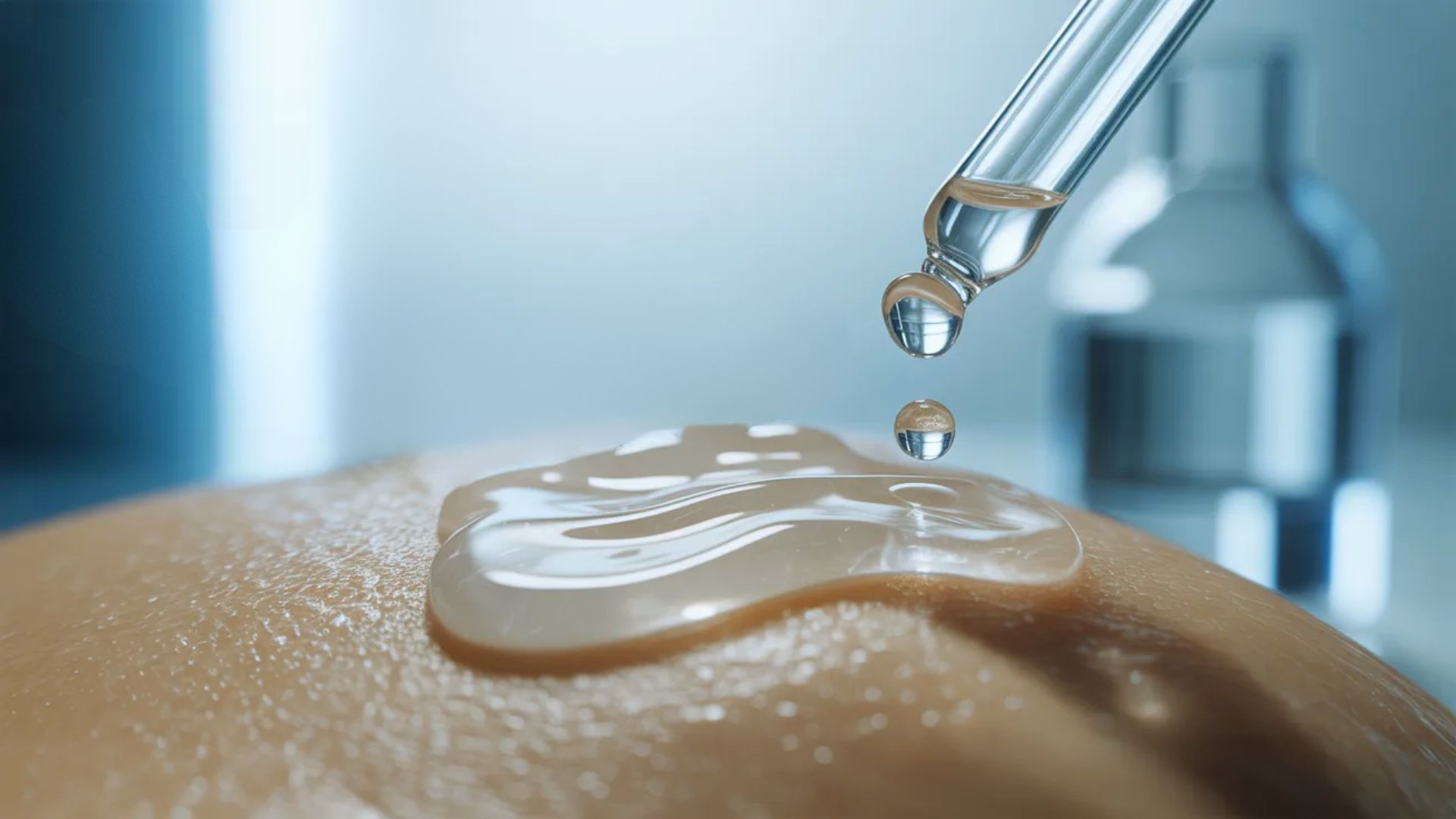
The smaller, more stable version of hyaluronic acid that goes deeper.
Sodium hyaluronate (SH) is the sodium salt form of hyaluronic acid. It is made by removing certain parts of the HA molecule, making it much smaller in size.
Because of its smaller molecular weight, it can pass through the outer skin barrier more easily. This means it reaches deeper layers of the skin and provides longer-lasting hydration.
It is also more stable than hyaluronic acid. It does not break down as quickly in formulas, which makes it a popular choice for skincare brands.
Sodium Hyaluronate vs Hyaluronic Acid: Overview
Two names, two different sizes, one shared goal of keeping your skin hydrated.
| Feature | Hyaluronic Acid | Sodium Hyaluronate |
|---|---|---|
|
Type |
Natural polymer |
Sodium salt form of HA |
|
Molecular Size |
Large |
Smaller |
|
Skin Penetration |
Surface level |
Deeper layers |
|
Stability in Formulas |
Less stable |
More stable |
|
Texture |
Gel-like, heavier |
Lightweight, smooth |
|
Solubility |
Limited |
Highly water-soluble |
|
Best For |
Instant surface hydration |
Deep, long-lasting moisture |
|
Common Uses |
Serums, creams, fillers |
Serums, eye drops, injectables |
Both are humectants. That means they attract and hold onto water. Both are gentle, well-tolerated, and used widely in skincare.
Sodium Hyaluronate vs Hyaluronic Acid: Key Differences
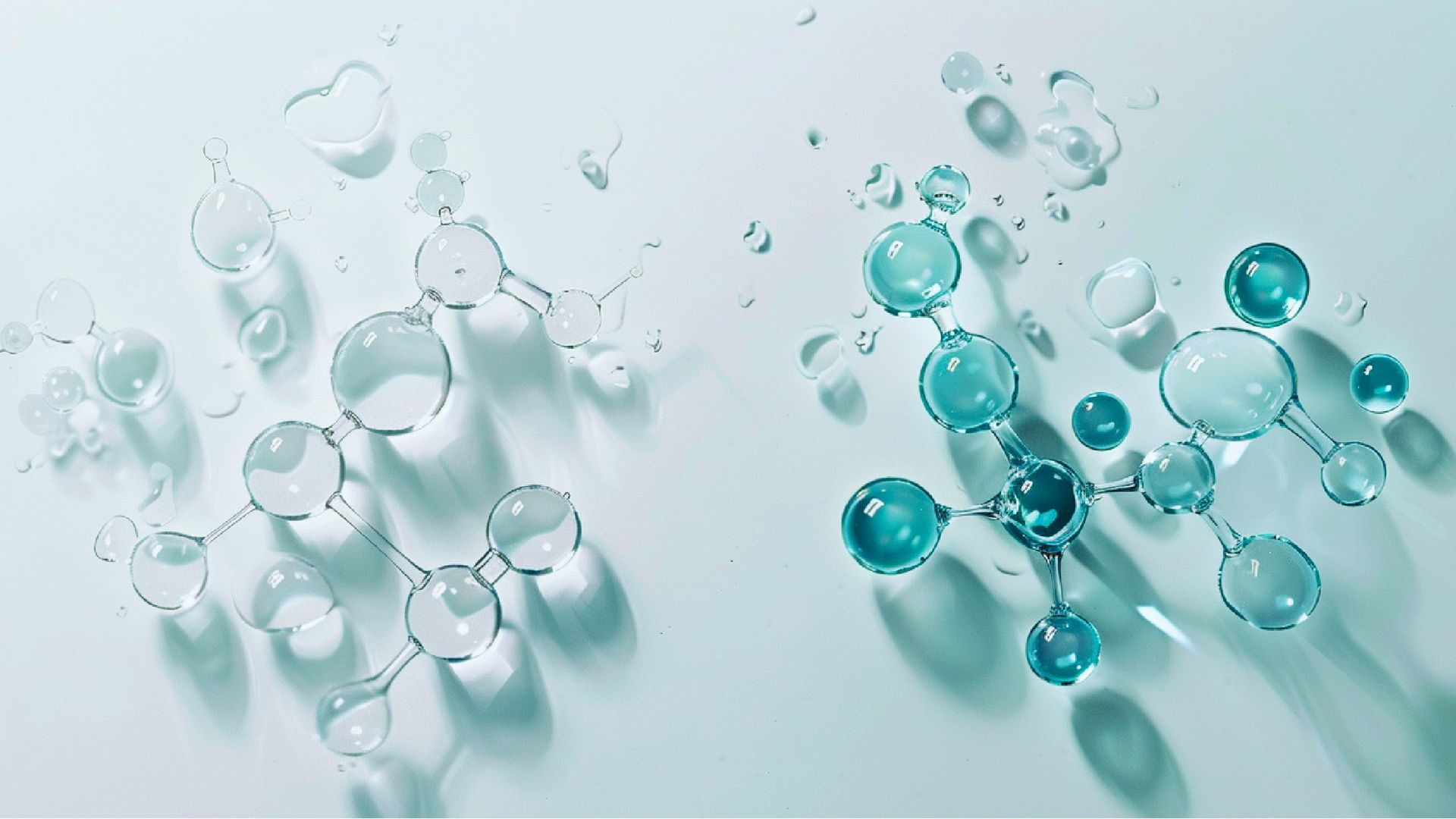
Small differences in structure lead to big differences in how they work on your skin.
Molecular Size and Structure
Hyaluronic acid has a larger molecular size. Sodium hyaluronate has a smaller one.
This matters because skin has layers. Larger molecules cannot pass through the outer layer easily. They stay on top. Smaller molecules slip through the surface and reach deeper tissue.
Skin Penetration
Hyaluronic acid hydrates the outer skin layer. It gives that immediate, surface-level plumpness. Sodium hyaluronate goes past the outer barrier and works from within.
If your skin feels dry deep down, not just on the surface, sodium hyaluronate is likely the better fit.
Stability and Formulation Compatibility
Hyaluronic acid can degrade faster in certain formulas. Exposure to heat, light, or certain ingredients can break it down.
Sodium hyaluronate is more stable. It holds up better in different formulations and has a longer shelf life. This is one reason it appears in more products.
Texture and Solubility
Hyaluronic acid tends to be thicker and more gel-like. It can feel heavier on the skin.
Sodium hyaluronate is lightweight and dissolves easily in water. It feels smooth, absorbs quickly, and suits oily or combination skin types well.
Properties of Hyaluronic Acid vs Sodium Hyaluronate

Knowing the properties helps you read ingredient labels with confidence.
Molecular Size
Hyaluronic acid is a large molecule. Sodium hyaluronate is significantly smaller. This size difference is the root cause of most other differences between the two.
Skin Penetration
Hyaluronic acid works at the surface of the skin. Sodium hyaluronate absorbs deeper into the skin layers due to its smaller size.
Solubility
Hyaluronic acid has limited solubility in water. Sodium hyaluronate is highly water-soluble, which makes it easier to blend into lightweight formulas.
Stability
Hyaluronic acid is less stable in skincare formulations. Sodium hyaluronate holds up better over time and resists breaking down in different product environments.
Texture
Hyaluronic acid has a gel-like, slightly thicker feel on the skin. Sodium hyaluronate feels lightweight and smooth, making it comfortable for daily use.
Formulation Flexibility
Hyaluronic acid offers moderate flexibility in how it can be used in products. Sodium hyaluronate is highly versatile and works well across a wide range of skincare and medical formulations.
Benefits of Hyaluronic Acid vs Sodium Hyaluronate
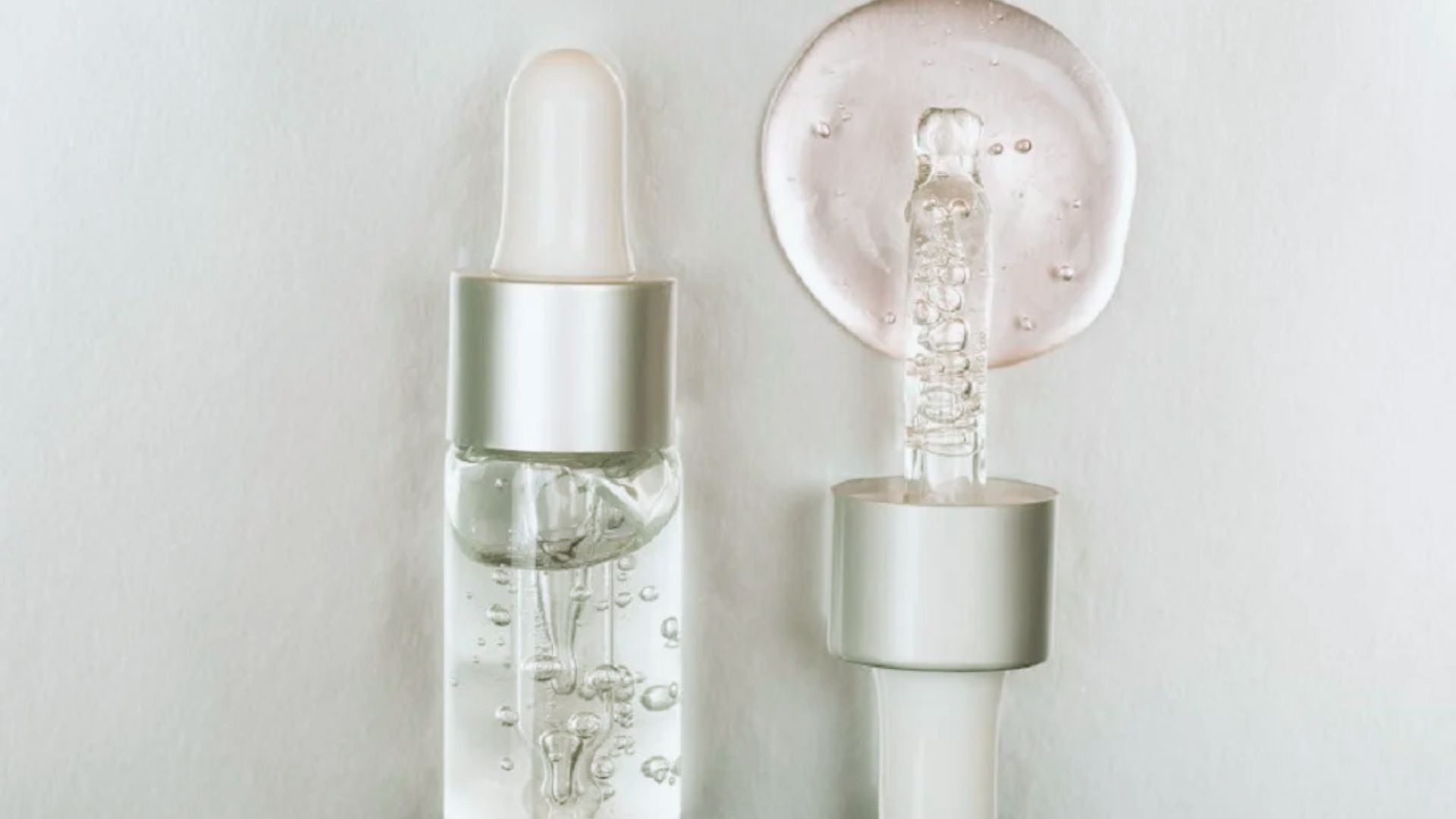
Both ingredients offer strong hydration benefits, just in different ways.
Hydration
Both pull moisture into the skin and keep it there. If your main concern is dryness, either will help.
Skin Plumping
Both ingredients improve skin fullness. They reduce the tight, dry feeling that comes with dehydrated skin.
Anti-Aging Support
Both help soften the appearance of fine lines and wrinkles. Hydrated skin naturally looks smoother and younger.
Skin Compatibility
Both are suitable for most skin types. They are non-comedogenic, meaning they do not clog pores. Sensitive skin types can generally use both without irritation.
Deeper, Longer Hydration
Sodium hyaluronate offers more sustained hydration because it works from within the skin layers. The moisture lasts longer.
Instant Surface Hydration
Hyaluronic acid gives quicker surface-level results. If you want immediate plumping before an event or first thing in the morning, it works fast.
Applications of Hyaluronic Acid vs Sodium Hyaluronate

These two ingredients show up in far more products than just face serums.
Skincare
Both are used in serums, creams, toners, masks, and moisturizers. Sodium hyaluronate is more common due to its stability and lightweight texture.
Medical Use
Sodium hyaluronate is frequently used in dermal fillers and joint injections. It holds up well inside the body and lasts longer in injected form.
Eye Care
Both appear in eye drops for dryness. Sodium hyaluronate is preferred because it stays on the eye surface longer and provides extended comfort.
Oral Supplements
Both are available as oral supplements for skin hydration and joint health. Research into supplement effectiveness is growing.
Veterinary Use
Sodium hyaluronate is used in animals, especially horses, for joint support and inflammation management.
Cosmetic Formulations
Both appear in primers, ampoules, and hydrating treatments. Products targeting multi-level hydration often include both.
Tips for Choosing Between Sodium Hyaluronate and Hyaluronic
Small ingredient choices can make a real difference in your results.
- Pick sodium hyaluronate for deeper, longer-lasting hydration
- Pick hyaluronic acid for quick surface plumping
- Look for products that combine both for layered hydration
- Always check the ingredient label before buying
- For eye drops or joint products, consult a healthcare provider first
Conclusion
After spending time reading labels, testing products, and learning what actually works.
Here is what I can tell you with confidence, both sodium hyaluronate and hyaluronic acid are worth having in your routine.
If I had to pick one, I would go with a product that uses both. The combination gives you surface hydration and deeper moisture at the same time.
Try it for yourself and see how your skin responds.
Found this helpful? Share it with someone who is just as confused by skincare labels as I once was. Drop a comment below and let me know which ingredient works best for you.
Frequently Asked Questions
What is the main difference between sodium hyaluronate and hyaluronic acid?
Sodium hyaluronate has a smaller molecular size, which lets it go deeper into the skin. Hyaluronic acid is larger and works mainly at the surface level to provide immediate hydration.
Is sodium hyaluronate better than hyaluronic acid for dry skin?
Sodium hyaluronate is generally the better choice for dry skin because it penetrates deeper and provides longer-lasting moisture. Hyaluronic acid still helps but works closer to the skin surface.
Can you use sodium hyaluronate and hyaluronic acid together?
Yes, using both together is actually very effective. Many skincare products already combine them to give you both surface and deep hydration at the same time.
Which ingredient is more stable in skincare formulas?
Sodium hyaluronate is more stable. It holds up better in different product formulations, resists breakdown, and has a longer shelf life compared to hyaluronic acid.
Are sodium hyaluronate and hyaluronic acid safe for sensitive skin?
Both are considered safe for sensitive skin. They are non-irritating, non-comedogenic, and gentle enough for daily use across most skin types, including reactive or sensitive skin.