How Often to Trim Bangs? A Complete Maintenance Guide

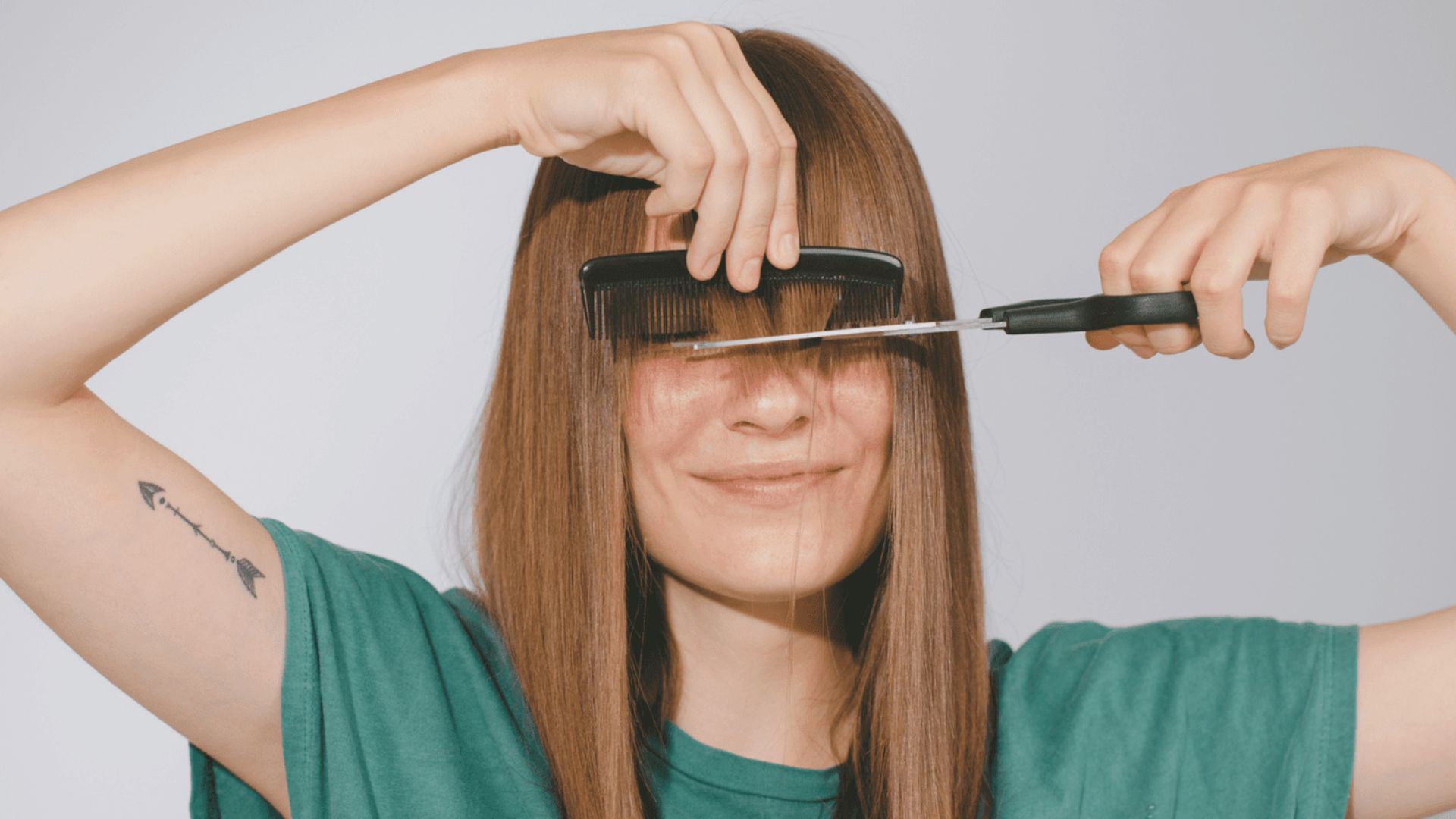
Your bangs are growing out again. They’re poking your eyes, losing their shape, and driving you crazy. You need to know exactly how often to trim them.
This guide covers trim schedules for every bang type, what affects your trim frequency, and how to keep bangs looking fresh between cuts.
I’ve talked to stylists and real people with bangs to get you honest, practical advice.
You’ll learn when to book appointments, what to do at home, and how to stop wasting money on too-frequent trims. Let’s get your bangs back on track.
Why Bang Trims Matter for Your Overall Hairstyle

Regular bang trims keep your whole hairstyle looking polished. When your bangs are the right length, they balance your face and make your haircut work.
Skipping trims makes even great hair look messy. Bangs draw attention to your eyes and cheekbones. Too long or uneven bangs throw off your whole face.
They fall into your eyes constantly. You’ll push them aside all day, which defeats the point of having bangs.
You’re constantly pushing them out of your face. If you touch your bangs more than once an hour, they need cutting.
Your bangs cover your pupils or lashes. The shape looks off with uneven spots. You can’t style them the way you used to. That’s growth talking.
How Often To Trim Bangs?

Understanding your trim schedule keeps bangs looking fresh and prevents that overgrown, frustrating phase that makes you regret cutting them.
Average Bang Growth Rate Explained
Hair grows about half an inch per month on average. Your bangs grow at the same rate as the rest of your hair. Some people grow hair faster, some slower.
Bangs show growth more obviously than longer hair. A quarter-inch change in length is barely noticeable on shoulder-length hair. On bangs, it’s the difference between stylish and struggling.
Fast growers might see noticeable changes in just 10 days. Slow growers can sometimes stretch trims to 5 or 6 weeks. Most people fall somewhere in the middle.
General Trim Timeline Most Stylists Recommend
Blunt bangs need trims every 2 to 3 weeks. They lose their clean line quickly. Even small amounts of growth look messy.
Layered or wispy bangs can go 3 to 4 weeks. The layers hide small amounts of growth better. You have more wiggle room with these styles.
Curtain bangs and side-swept styles offer the most flexibility. You can often wait 4 to 6 weeks between cuts. Their longer length gives you breathing room.
Why Even Small Delays Make a Big Difference
One extra week can ruin your bang game. The difference between 3 weeks and 4 weeks is huge when you’re dealing with half an inch of face-framing hair.
Your styling routine stops working. The products and techniques that kept your bangs perfect suddenly fail. You’re not doing anything wrong; your bangs just got too long.
You end up with an awkward in-between phase. Too long to look intentional, not long enough to pin back neatly. This phase makes people regret getting bangs in the first place.
Should You Trim Bangs at Home or Visit a Salon?

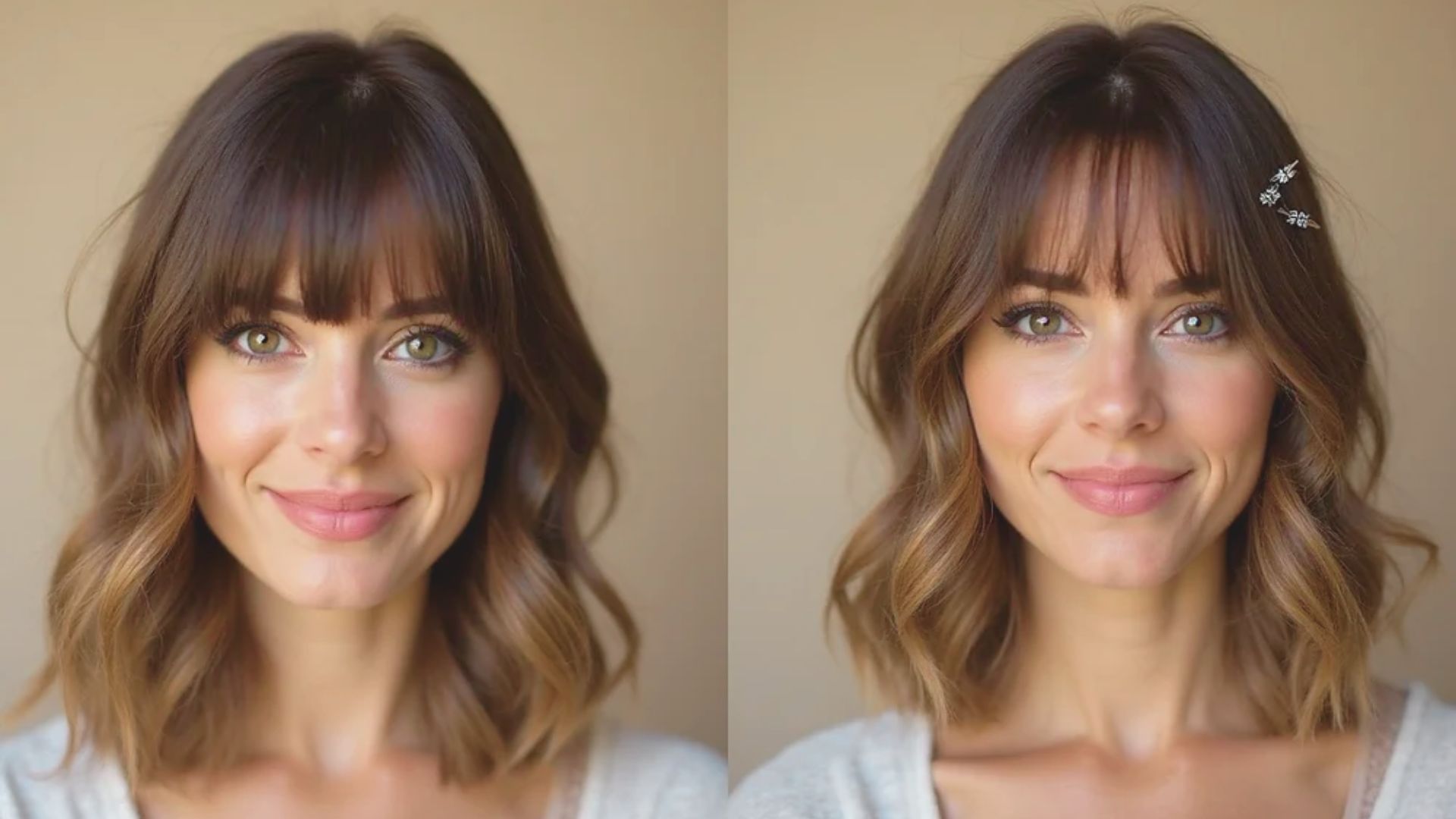
Smart scheduling saves time and money by coordinating bang trims with your regular haircuts instead of making separate trips.
Many salons offer free bang trims between haircuts. If you get your hair cut there regularly, they’ll maintain your bangs at no charge. Ask about this policy upfront.
Get a full haircut every 6 to 8 weeks. During these visits, your bangs get trimmed too. Schedule bang-only appointments at the halfway point. If you get haircuts every 8 weeks, book a bang trim at week 4.
Mark these appointments in your calendar when you book them. Don’t rely on remembering. Bang trims sneak up on you.
Ask your stylist how long you can realistically go between bang trims. They see your growth rate and can give you a personalized timeline.
Pro Tips to Keep Bangs Looking Fresh Between Trims
Good daily habits and simple styling tricks help your bangs look salon-fresh longer and prevent that messy, overgrown phase.
- Blow dry bangs in multiple directions. Dry them forward, then to each side, then forward again to prevent cowlicks. Use a round brush and set with cool air at the end.
- Wash bangs separately from the rest of your hair. They get oily fast from touching your forehead. A quick sink rinse works fine. Apply dry shampoo before they look greasy. Carry blotting papers for touch-ups.
- Use minimal products on bangs. Light hairspray sprayed on your hands first works best. Skip heavy serums and oils. A tiny bit of texturizing powder adds volume without looking like dandruff.
- Manage sweat and humidity smartly. Wash just your bangs after workouts. Use headbands during exercise. A light mist of hairspray before going outside fights frizz in humid weather.
- Sleep on a silk or satin pillowcase. Clip bangs up before bed to prevent weird bends. Make sure bangs are completely dry before sleeping or they’ll dry in weird shapes overnight.
Conclusion
Your bang schedule should match your life, not stress you out. Some people thrive on 2-week appointments.
Others need a more relaxed 4-week plan. Figure out what keeps you looking good without feeling chained to the salon.
Stop waiting until your bangs are driving you crazy. Book your next appointment while you’re at your current one.
I learned this the hard way after too many weeks of pushing bangs out of my face. Now I schedule standing appointments, and my bangs actually look the way they’re supposed to.
Give it a try and see how much easier life gets.
Frequently Asked Questions
Can I trim my own bangs safely at home?
You can do small touch-ups with proper hair scissors. Work with dry hair and cut less than you think you need. For major trims, see a professional since most DIY disasters happen from cutting wet hair.
Why do my bangs look good for only a week after trimming?
Your hair grows about half an inch per month, which shows quickly on short bangs. Blunt styles lose their shape within 7 to 10 days. More frequent trims or lower-maintenance styles can help.
Do certain hair types need more frequent bang trims?
Straight, thick hair needs more frequent trims because growth shows faster. Wavy or curly bangs can go longer since texture hides growth. Results vary by person and hair weight.
How much does a bang trim cost at a salon?
Many salons offer free bang trims to regular clients between haircuts. Stand-alone trims typically cost $10 to $25. Always ask about bang trim policies when choosing a salon.
What’s the best way to grow out bangs gracefully?
Get regular trims to maintain shape while growing length. Ask your stylist to gradually blend bangs into your hair. Use clips and headbands during awkward phases, which takes 3 to 6 months.