
How to Prep Skin for Dermaplaning?

Want smoother, brighter skin? Dermaplaning might be your answer.
This treatment removes dead skin cells and peach fuzz in one go, leaving your face incredibly soft and glowing.
But here’s the thing: how you prep your skin beforehand makes all the difference. Skip the prep, and you might deal with irritation or disappointing results.
Do it right, and you’ll get that radiant complexion you’re after. Plus, what you do after treatment matters just as much for keeping results around longer.
Let’s get started.
Why Proper Skin Prep Matters
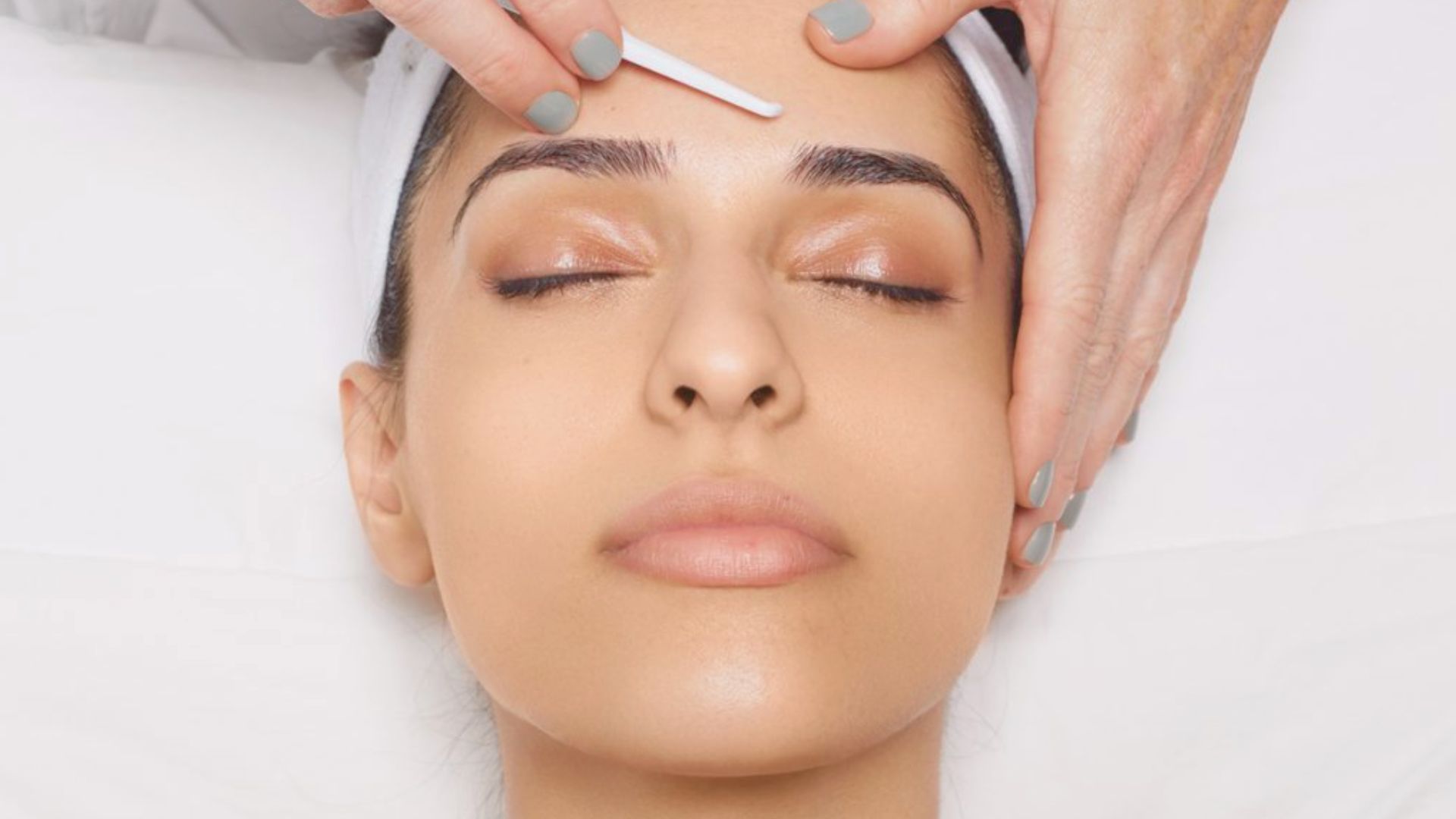
Prepping your skin properly before dermaplaning isn’t just a nice extra step. It really matters how your treatment turns out.
When you skip prep, leftover makeup, oil, or debris can make the blade tug and scratch your skin, causing redness you don’t want.
Clean, prepped skin also soaks up your serums and moisturizers way better after treatment. You’ll actually see those products work.
Most importantly, good prep means smoother results with an even skin tone. You’ll avoid those annoying ingrown hairs and irritation that can happen when skin isn’t ready for the blade.
Pre-Treatment Skin Prep Steps
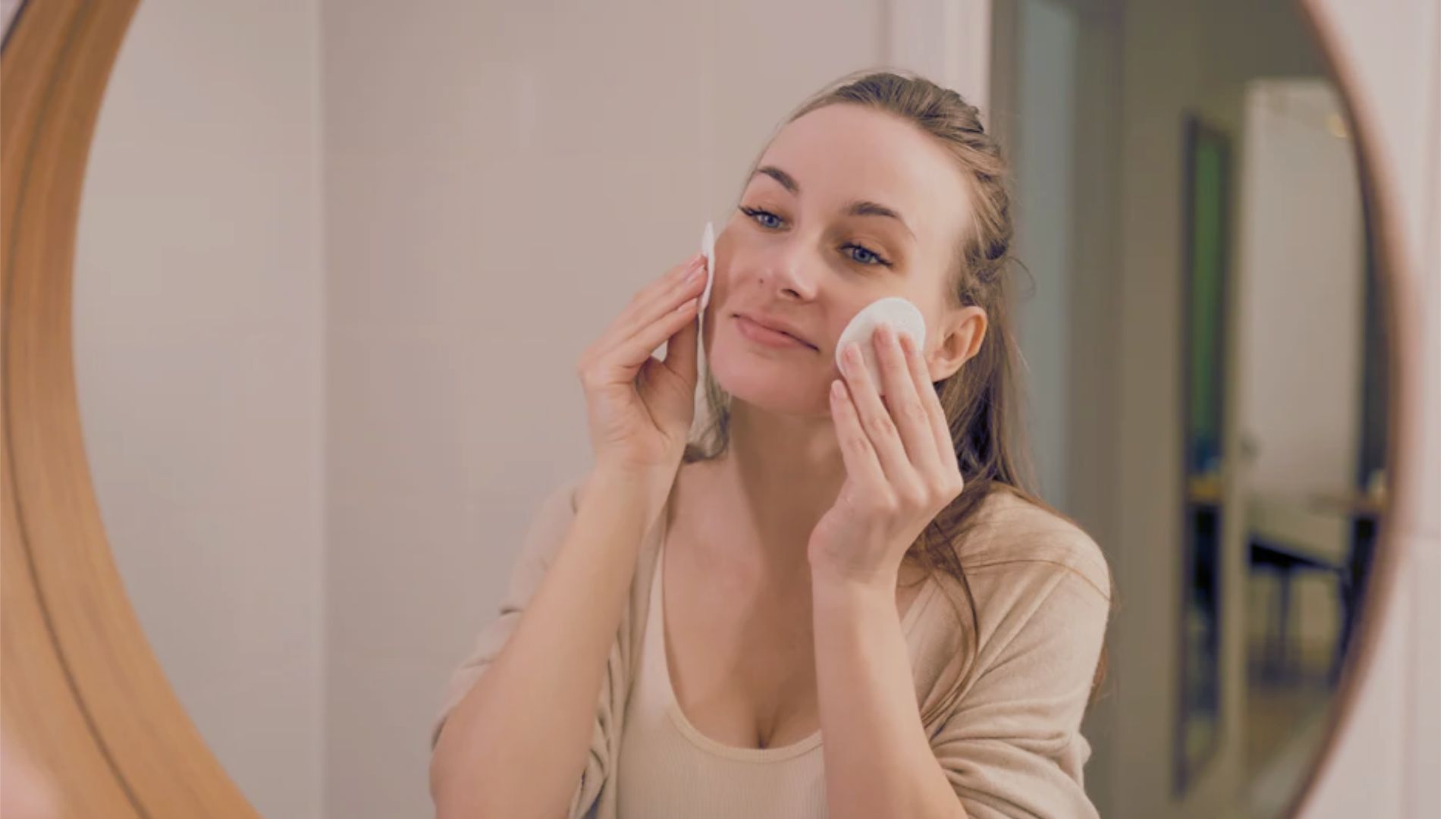
Getting your skin ready the right way sets you up for success. Follow these prep steps for a safe, smooth dermaplaning experience.
Cleanse Thoroughly
Start with a double cleanse to get rid of all makeup, sunscreen, oil, and dirt. If you have sensitive or dry skin, go with a hydrating cream or milk cleanser.
For oily or combination skin, a gentle foaming or gel cleanser works best. Skip abrasive brushes or scrubs that can irritate your skin.
Exfoliation Guidelines
Stop using harsh exfoliants 2 to 5 days before your appointment. If your skin handles it well, mild acids like lactic or mandelic acid at 5% or less are okay.
PHAs and gentle enzymatic exfoliants work too. Stay away from physical scrubs or strong chemical peels.
Moisturizing and Hydration
Use lightweight, water-based serums with hyaluronic acid or glycerin. Heavy oils or thick creams can block the blade and mess up your results.
Let your products soak in for 15 to 20 minutes before starting treatment.
Avoid Certain Products and Activities
Stop using active ingredients like retinol, Retin-A, AHAs, LHAs, salicylic acid, and benzoyl peroxide at least 7 days before. If you use hydroquinone, stop 3 days prior.
Skip sun exposure, tanning beds, waxing, or hair removal creams for at least 14 days. If you take blood-thinning medications or supplements, talk to your doctor first.
Special Considerations
You might need oral antivirals if you’re treating skin near your mouth. Tell your provider about any skin conditions like active acne, eczema, rosacea, or skin cancer.
Mention if you’re pregnant, have thick or dark facial hair, have recently used Accutane, or have vascular lesions. These factors can affect whether dermaplaning is safe for you.
Dermaplaning Technique Tips
The right technique makes all the difference. These tips help you dermaplane safely and get the smooth results you want.
- Use the Right Tool: Pick a dermaplaning razor or professional device like Dermaflash or Venus. Make sure the blade is clean and comfortable to hold. An ergonomic handle gives you better control.
- Work on Clean, Dry Skin: Your skin should be completely clean and dry before you start. Stay away from any active breakouts or pimples to avoid spreading bacteria or causing irritation.
- Pull Skin Taut: Gently stretch your skin with your free hand as you work. This gives you better control over the blade and helps prevent accidental nicks or cuts.
- Feathering Strokes: Hold the blade at a 45-degree angle to your skin. Use light, downward strokes in small sections. Move slowly and carefully. Skip sensitive areas like your eyelids, hairline, sides of your nose, and eyebrows.
- Optional Neck Dermaplaning: You can dermaplane your neck, but be extra careful. The skin there is thinner and more sensitive than your face, so use an even lighter touch.
Post-Treatment Skin Care
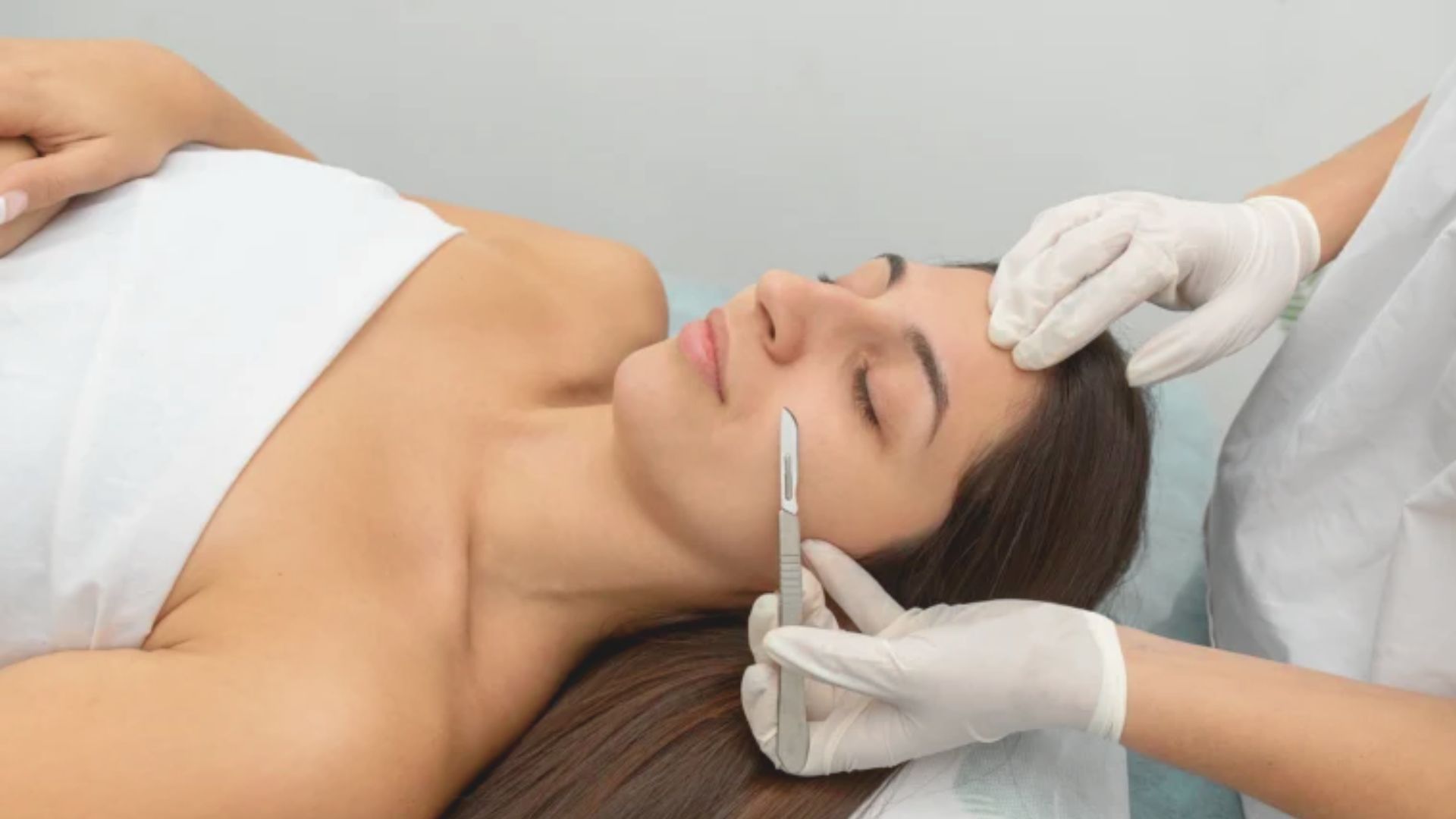
What you do after dermaplaning is just as important as the prep. Follow these care steps to protect your fresh skin and keep results lasting longer.
Cleansing
Use a gentle, lukewarm water-based cleanser twice a day to keep your skin clean without irritation.
Skip exfoliants, scrubs, or cleansing brushes for the first 24 to 48 hours. Your skin needs time to recover and heal properly after treatment.
Moisturizing
Apply a non-comedogenic moisturizer regularly throughout the day to keep your skin hydrated and comfortable.
This helps with the healing process and prevents dryness or flaking. Look for formulas that won’t clog your pores or cause breakouts on your freshly treated skin.
Sun Protection
Wear SPF 30 or higher every single day for at least 2 weeks after your treatment. Stay away from tanning beds completely during this time.
Your skin is much more sensitive to sun damage right now, and proper protection prevents dark spots and other issues.
Watch for Warning Signs
Some mild redness right after treatment is completely normal and should fade quickly. However, watch out for signs like pus, extreme itching, or unusual warmth on your skin.
If you notice any of these symptoms, contact your dermatologist right away for proper care.
Makeup and Activity Restrictions
Wait a full 24 hours before putting on any makeup products. Hold off on intense workouts or activities that make you sweat until any redness goes away completely.
Sweat and makeup can irritate your freshly treated skin and potentially cause breakouts or inflammation.
Avoid Active Ingredients
Stay away from acne treatments, acids, retinol, or chemical peels for 2 to 3 days after dermaplaning.
These products are too harsh for your newly exfoliated skin and can cause serious irritation, redness, or damage. Wait until your skin barrier has recovered.
Expert Tips for a Smooth Dermaplaning Experience
- Use minimal pressure with light, feathering motions across your skin. Heavy pressure can cause cuts, irritation, or uneven results.
- Always start with a patch test on your jawline first. This helps you check how your skin reacts before treating your entire face.
- Keep your skin balanced with proper hydration before treatment. Skin that’s too oily or too dry won’t give you the smooth results you want.
- Follow all pre-treatment and post-treatment instructions carefully for the best outcome. Skipping steps can lead to irritation or disappointing results.
- Consult an esthetician or dermatologist if you’re unsure about doing this at home. Professional guidance keeps you safe and helps avoid mistakes.
Final Thoughts
Proper prep is the secret to great dermaplaning results. Avoid harsh products, keep your skin hydrated, and use the right technique.
Post-care matters just as much for protecting your fresh skin. Not confident about doing this at home? Schedule a session with a professional esthetician for safe, flawless results.
Ready to get that smooth, glowing skin?
Follow these steps and see the difference for yourself.
Frequently Asked Questions
How long before dermaplaning should I stop using retinol?
Stop using retinol and other active ingredients like AHAs or benzoyl peroxide at least 7 days before your treatment. This prevents excessive irritation and sensitivity during dermaplaning.
Can I wear makeup right after dermaplaning?
Wait a full 24 hours before applying any makeup to your skin. Your freshly exfoliated skin needs time to recover and heal without interference from cosmetic products.
How often should I dermaplane my face?
Most people can safely dermaplane every 3 to 4 weeks, which matches your skin’s natural cell turnover cycle. Doing it more frequently can over-exfoliate and damage your skin barrier.
Is it normal for my skin to be red after dermaplaning?
Mild redness immediately after treatment is completely normal and usually fades within a few hours. However, if you notice pus, extreme itching, or warmth, contact your dermatologist right away.
Can I dermaplane if I have active acne?
No, you should avoid dermaplaning over active breakouts or inflamed acne. The blade can spread bacteria and make breakouts worse, leading to scarring or infection.