What Ingredients Can Be Used With Retinol Guide

I've been using retinol for years, and the biggest mistake I made early on was mixing it with the wrong things. My skin broke out, peeled, and felt raw for weeks.
If you're using retinol, what you pair it with matters just as much as the retinol itself.
In this article, I'll cover what ingredients can be used with retinol, which ones to avoid, how to layer them the right way, and a simple beginner routine to follow.
With 7+ years of skincare research and hands-on experience, I'll help you get real results without the irritation, guesswork, or a damaged skin barrier.
Understanding Retinol and How It Works
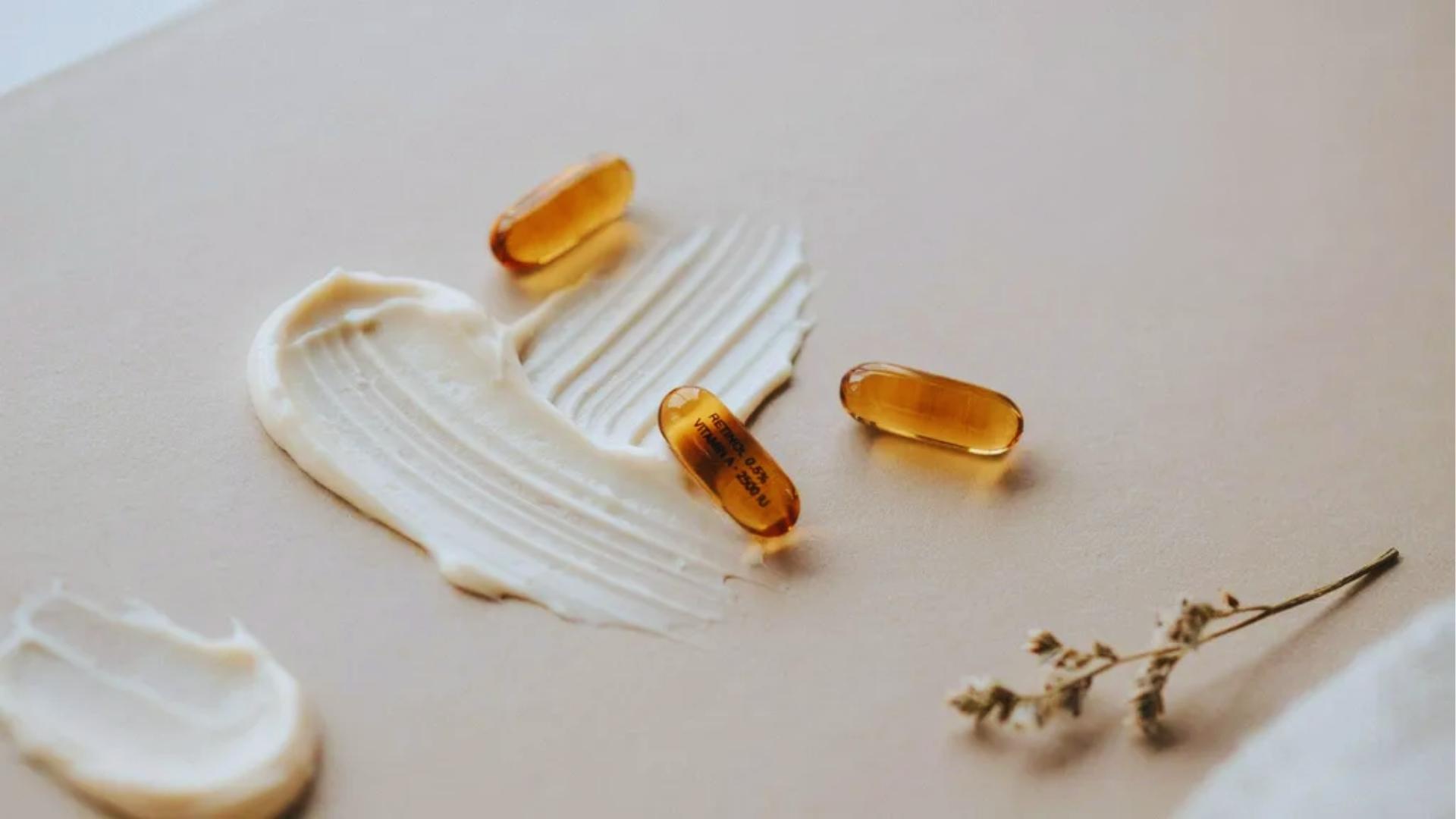
Retinol is a form of vitamin A that speeds up how fast your skin cells turn over. New skin reaches the surface faster, which helps with fine lines, dark spots, and uneven texture.
It does not work overnight. It takes weeks to show real results. Regular use helps reduce wrinkles, control acne, fade dark spots, and smooth skin texture over time.
That said, your skin may react when you first start. Dryness, peeling, redness, and increased sun sensitivity are all common.
This is normal. Starting slow and using the right ingredients alongside it helps reduce these effects significantly.
What Ingredients Can Be Used With Retinol Safely
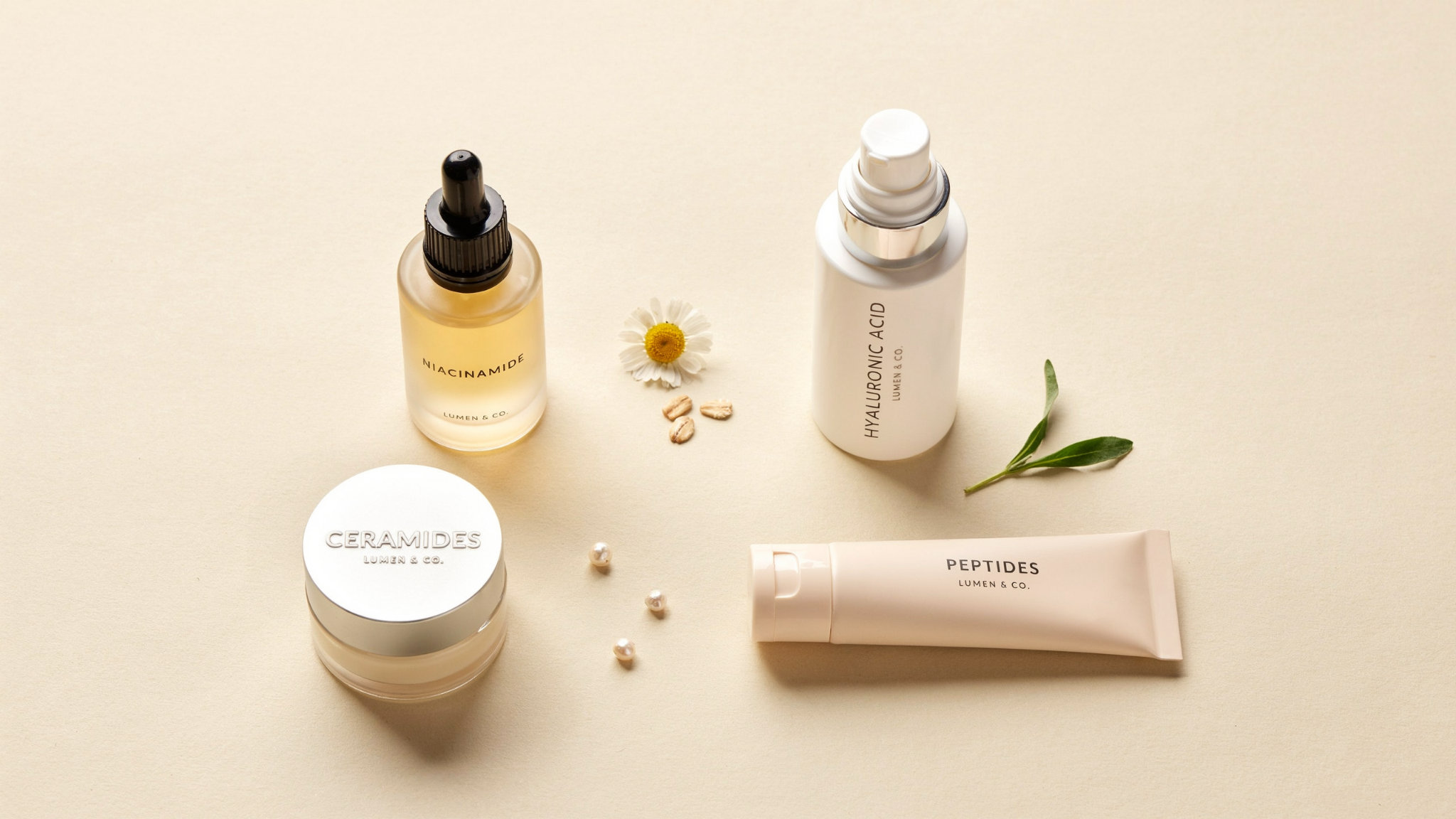
These four ingredients work well alongside retinol and help your skin handle it better.
Niacinamide
Niacinamide is one of the best ingredients to pair with retinol. It calms redness, reduces irritation, and strengthens the skin barrier.
Retinol can weaken the barrier over time, so niacinamide helps balance that out. It is gentle enough to use both morning and night.
Hyaluronic Acid
Retinol can dry out your skin, and hyaluronic acid fixes that. It pulls water into the skin and keeps it hydrated throughout the night.
This helps prevent the tight, flaky feeling that retinol often causes. Apply it on slightly damp skin before your retinol for best results.
Ceramides
Ceramides are natural fats that hold your skin barrier together and lock in moisture. Retinol can break down this barrier with regular use, so ceramides help repair it.
Using a ceramide-rich moisturiser after retinol at night keeps your skin protected. Think of ceramides as the recovery step your skin needs.
Peptides
Peptides are short chains of amino acids that tell your skin to produce more collagen. When used with retinol, they help improve firmness and reduce fine lines faster.
They work best in a separate step, either in a serum before retinol or in your morning routine. Together, they make a strong anti-ageing pair.
Ingredients to Avoid Mixing With Retinol
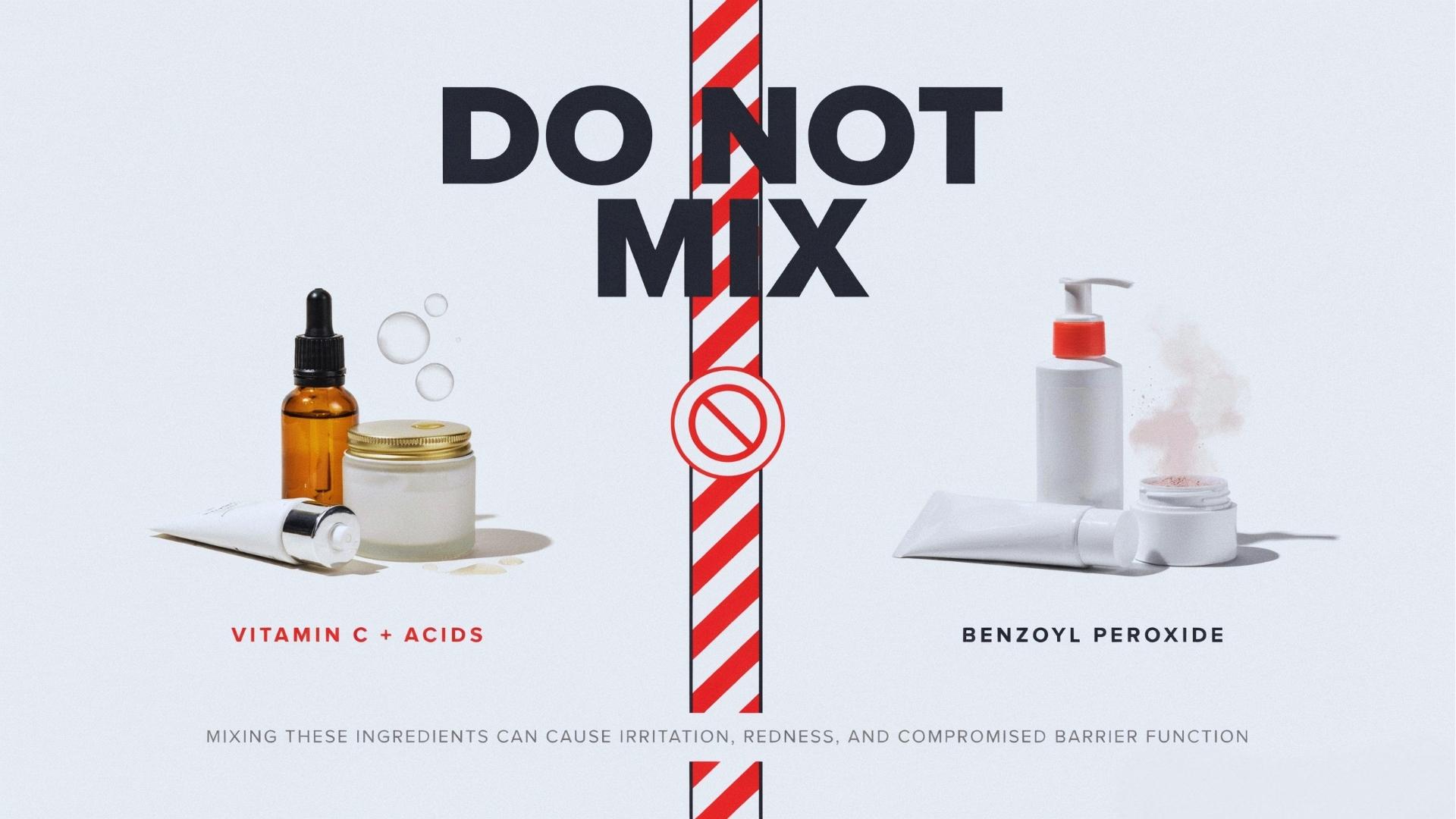
Some combinations seem smart but can actually damage your skin. Here's what to skip.
Vitamin C
Both vitamin C and retinol are powerful activities. But they work best at different pH levels. Using them together reduces how well both work.
Vitamin C can also increase sensitivity, and so can retinol. Together, they can cause redness, stinging, and irritation.
The fix: Use vitamin C in the morning and retinol at night.
AHAs and BHAs
AHAs (like glycolic acid) and BHAs (like salicylic acid) are exfoliants. Retinol already speeds up cell turnover, which is a form of exfoliation. Using both at the same time is too much for most skin types.
This can lead to:
- Over-exfoliation
- Broken skin barrier
- Burning or stinging
If you want to use both, alternate nights. Not the same night.
Benzoyl Peroxide
Benzoyl peroxide and retinol cancel each other out. They break each other down on contact. So both products stop working properly.
If you use benzoyl peroxide for acne, use it in the morning. Keep retinol for your night routine only.
How to Layer Retinol With Other Skincare Ingredients
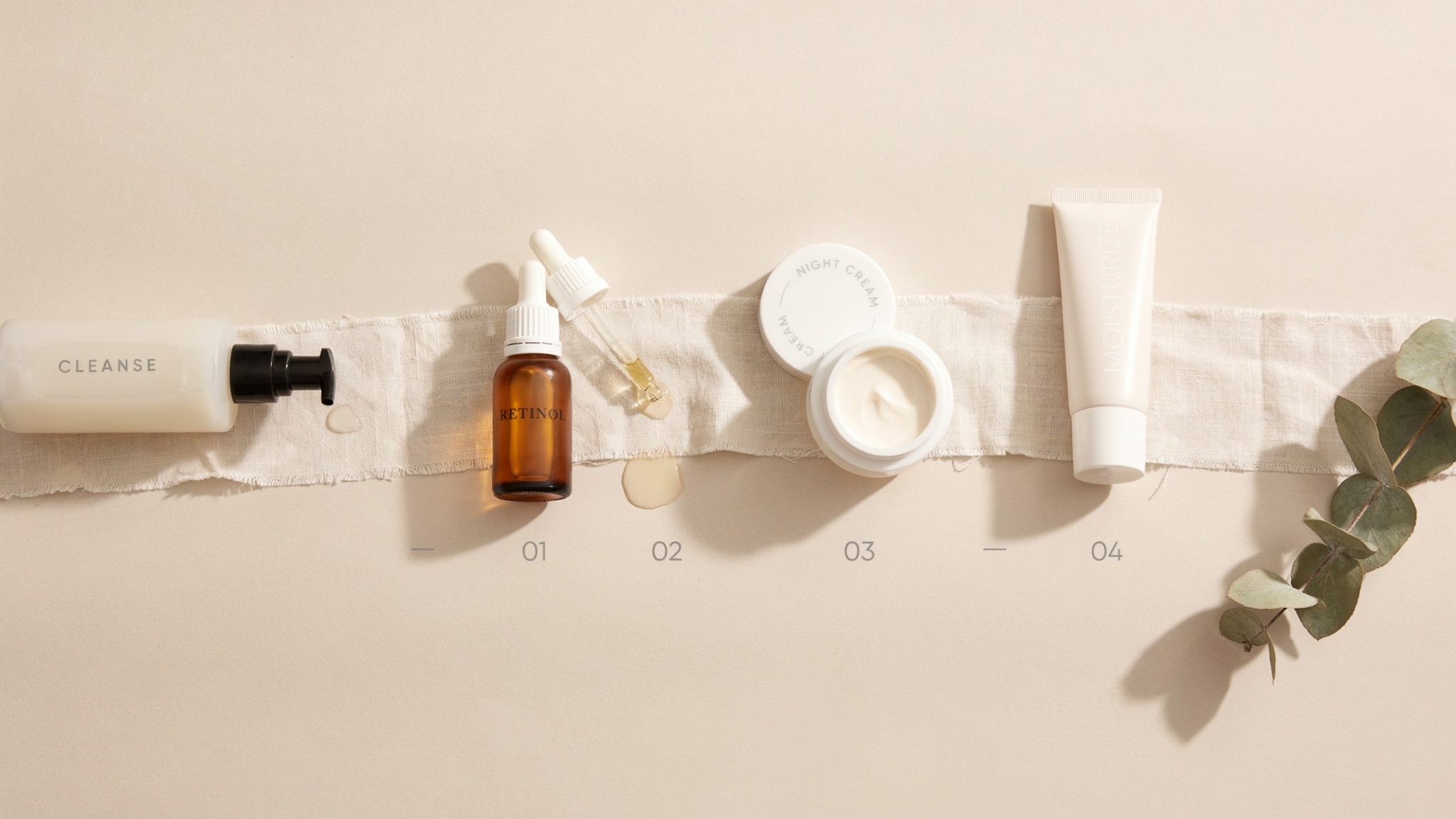
The order you apply products matters, getting it right means better results.
Correct Order of Application
Always go from thinnest to thickest texture:
- Cleanser
- Serum (e.g., hyaluronic acid or niacinamide)
- Retinol
- Moisturiser (ceramides work great here)
Let each layer absorb before applying the next. Wait about 1–2 minutes between steps.
When to Use Retinol
Always use retinol at night. Sunlight breaks it down and makes it less effective. It also makes your skin more sensitive to UV rays.
In the morning, always apply SPF. This is non-negotiable when using retinol.
How Often to Use Retinol
Start with 2 nights per week. After 2-3 weeks, move to every other night. Once your skin adjusts, you can use it nightly if needed.
Rushing this process causes irritation. Patience here really pays off.
Best Retinol Skincare Routine for Beginners
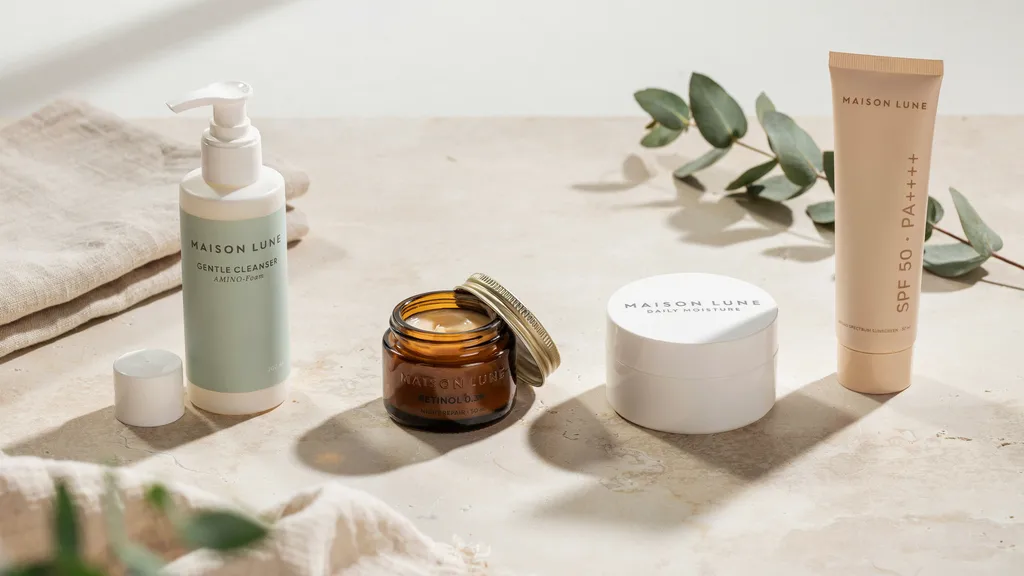
A simple, effective routine that works whether you're just starting out or rebuilding.
Morning Routine
- Cleanser (gentle, non-stripping)
- Niacinamide serum
- Moisturiser
- SPF 30 or higher (always, no skipping)
Keep mornings simple. Your skin needs recovery time after retinol at night.
Night Routine
- Cleanser
- Hyaluronic acid serum (on slightly damp skin)
- Retinol (pea-sized amount)
- Ceramide moisturiser
This routine keeps skin hydrated and supported while retinol does its work overnight.
Tips to Use Retinol Without Irritation
Small adjustments make a big difference and your skin will thank you.
- Start with low strength. Begin with 0.025% or 0.05% retinol. Work up to higher strengths only after your skin adjusts. Higher is not always better at the start.
- Use hydrating ingredients. Hyaluronic acid and ceramides protect the skin barrier. Always moisturise well on retinol nights.
- Avoid mixing too many activities. Stick to one active at a time. Do not pile on AHAs, BHAs, and vitamin C all in one routine. Less is more.
- Always apply sunscreen. Retinol makes your skin more sensitive to the sun. SPF is required every single morning, rain or shine.
- Be consistent and patient. Real results take 8-12 weeks. Don't stop after two weeks because you don't see change. Stay the course.
Conclusion
If I had known all this when I started using retinol, I would have saved my skin a lot of grief. Pairing retinol with the right ingredients like niacinamide, hyaluronic acid, and ceramides makes a real difference.
What ingredients can be used with retinol? Now you know. Focus on hydration, protect your skin barrier, and build your routine slowly.
Start tonight with one small change. And if this helped you, leave a comment or share it with a friend who's figuring out retinol too.
Frequently Asked Questions
Can I use retinol every night as a beginner?
No. Start with 2 nights a week. Let your skin adjust before increasing how often you use it.
Can I use niacinamide and retinol together?
Yes. Niacinamide is one of the safest ingredients to pair with retinol. It calms irritation and supports the skin barrier.
What happens if I use vitamin C and retinol together?
They can cancel each other out and cause irritation. Use vitamin C in the morning and retinol at night to avoid this.
How long does it take for retinol to show results?
Most people see visible changes after 8-12 weeks of consistent use. Give it time before deciding it is not working.
Can retinol make acne worse before it gets better?
Yes, this is called "purging." It can happen in the first few weeks as skin cell turnover speeds up. It usually settles down after a month.